



Period Garden Ornaments
These period garden ornaments bring historic character and enduring craftsmanship directly to outdoor spaces through authentic stone, bronze and iron forms.
Period Garden Ornaments
Period garden ornaments encompass an eclectic mix of functional and decorative outdoor pieces ranging from utilitarian 18th century staddle stones to large Victorian planters and statues.
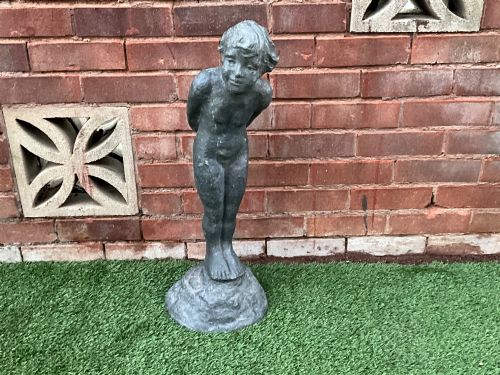
Buyers browsing this selection will frequently encounter weathered sandstone, reconstituted stone figures, and patinated bronze sculptures dating from the Georgian era through to the mid twentieth century.
These items transition traditional agricultural and architectural elements into garden focal points, combining architectural salvage with classical sculpture.
Materials and construction
Makers utilised durable natural media including sandstone, Purbeck stone, and cast iron, shaping them through traditional masonry and founding techniques designed to withstand outdoor conditions.
Bronze components utilise lost wax casting methods to achieve intricate surface detailing as seen in Japanese okimono sculptures, whilst stone pieces rely on hand-chiselled detailing and poured reconstituted stone moulds.
Period Garden Ornaments Retail Price Guide 2026
Typical asking prices for period garden ornaments among the pieces listed under this phrase on Sellingantiques today, from the lower quarter to the upper quarter. They describe what is for sale here now, not the wider market.
The inventory bridges Western architectural elements with Japanese bronze okimono and arched bridge sculptures.
Judging quality
Quality rests upon the crispness of the original carving or casting and the natural organic patination accumulated across decades of weathering, such as genuine lichen and moss growth.
Finer examples demonstrate balanced proportions and deliberate sculptural detailing, distinguishing hand-finished statutory work from purely utilitarian architectural blocks.
The Period Garden Ornaments Glossary
- Staddlestone
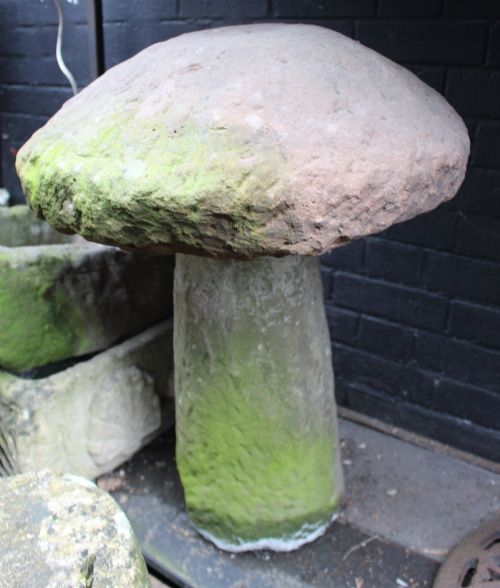
- A mushroom-shaped stone support formerly used to elevate granaries above damp ground and deter vermin. These architectural relics now serve as sturdy garden pedestals.
- Okimono
- A Japanese decorative figurine designed for display, often cast in bronze with intricate textural detail. They bring classical Eastern artistry to Western garden landscapes.
- Boot scraper
- A fixed metal iron blade anchored near an entrance to clean mud from footwear. They represent the practical domestic side of period metalwork.
- Reconstituted stone
- A durable composite material made from crushed stone aggregate and a binder, cast in moulds to replicate natural carved masonry. It offers consistent structural integrity.
Period Garden Ornaments: Frequently Asked Questions
How do I clean lichen and moss from stone?
Most collectors prefer to leave natural biological growth undisturbed because it establishes genuine age and historical depth on exterior stone surfaces.
If cleaning is strictly necessary, gentle brushing with water suffices to protect the underlying sandstone or reconstituted stone material.
Can bronze garden statues stay outside in winter?
Patinated bronze handles seasonal weather changes securely without requiring indoor storage during freezing winter temperatures.
Ensuring proper drainage prevents trapped water from causing structural damage to hollow bronze forms over time.
Where should staddle stones be placed?
Staddle stones work effectively as standalone focal points on lawns or grouped to edge garden pathways and herbaceous borders.
Their heavy weight requires level ground preparation to ensure stable placement in outdoor settings.
How do I date a stone garden ornament?
Dating relies on tool marks, the specific type of stone utilised, and stylistic indicators borrowed from periods like the Georgian or Victorian eras.
Comparing surface weathering patterns against documented examples helps confirm the approximate age of the piece.