
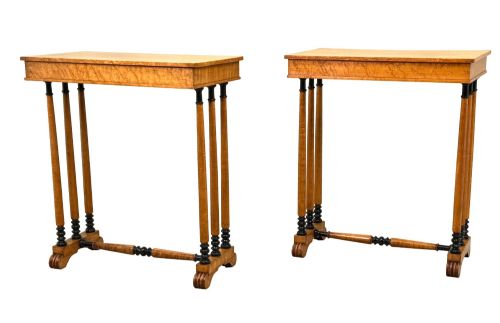
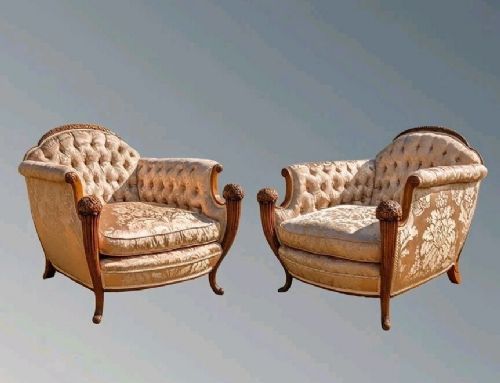
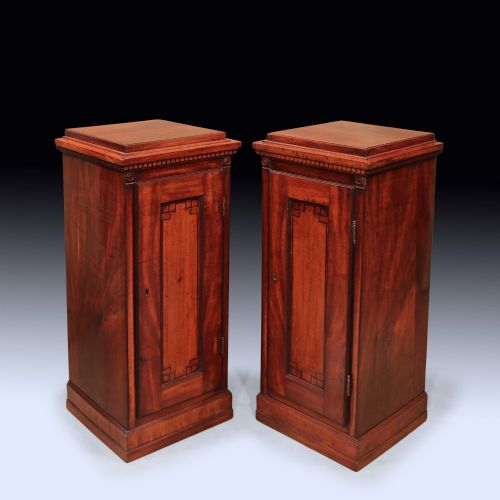
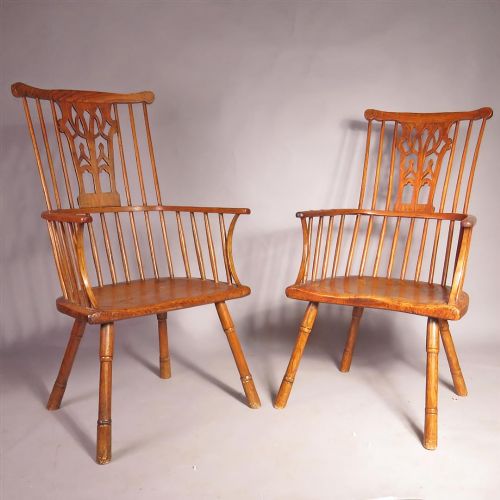
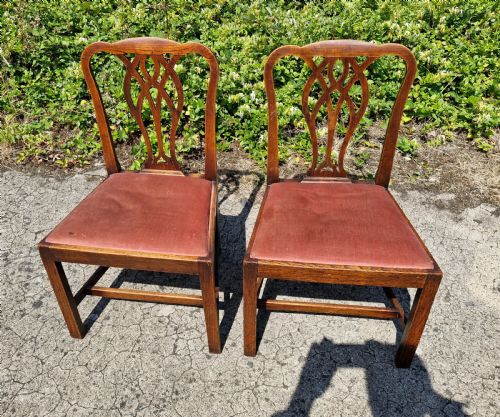
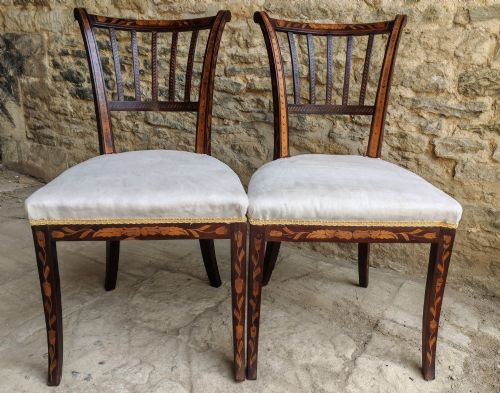
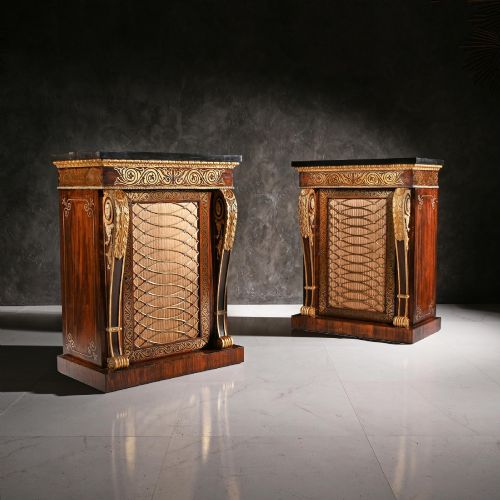
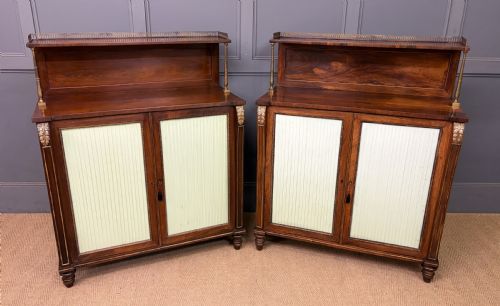

Period Furniture Pair
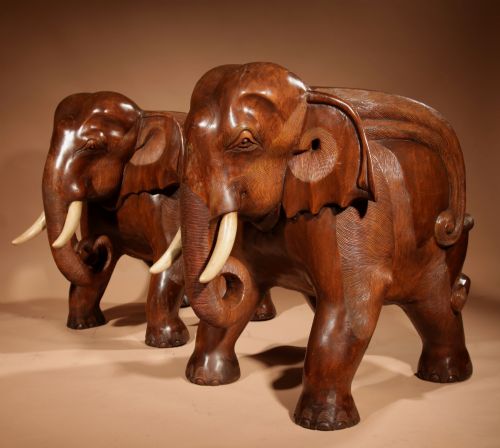
A period furniture pair brings symmetry to a room, offering matching design and proportion across seating, tables, and cabinets.
Period Furniture Pair
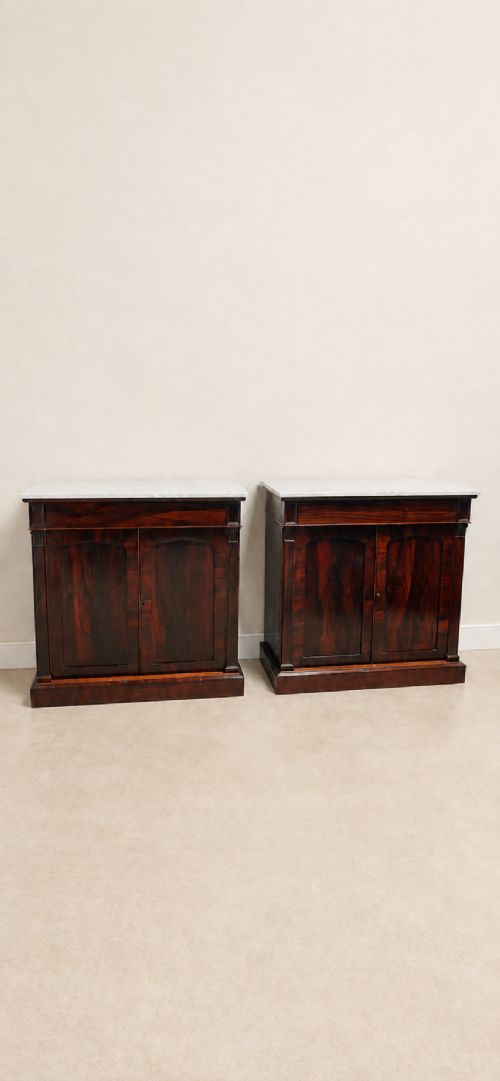
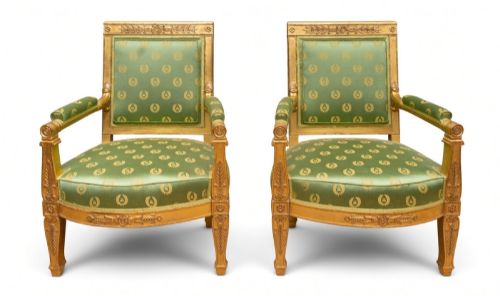
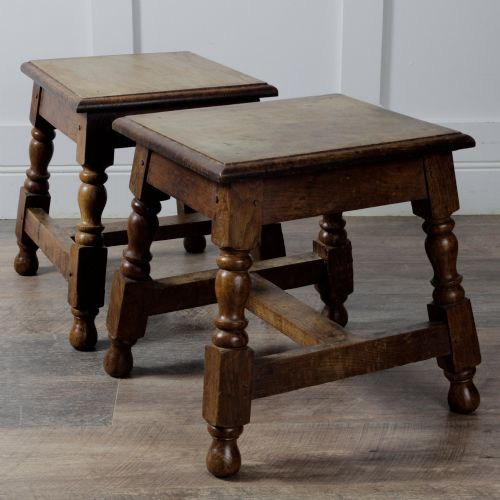
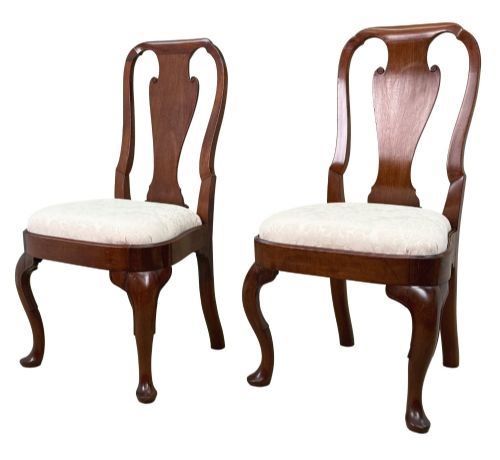
A period furniture pair consists of two matching items designed together, spanning centuries of craftsmanship from the 17th century through the Victorian era. These items include seating such as armchairs and side chairs, alongside functional items like card tables, side cabinets, and cupboards.
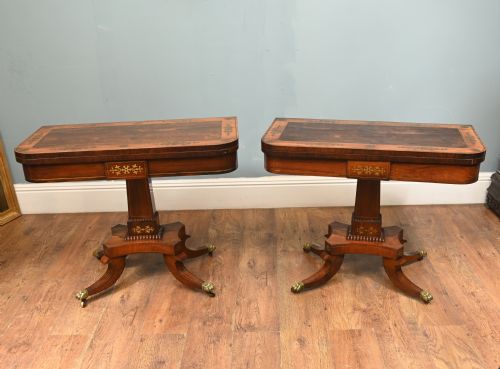
The Regency period and 18th century provide many examples on this page, particularly in rosewood, mahogany, and walnut. Buyers encounter matching side chairs, card tables, and occasional tables that reflect the formal symmetry favoured in historic interiors.
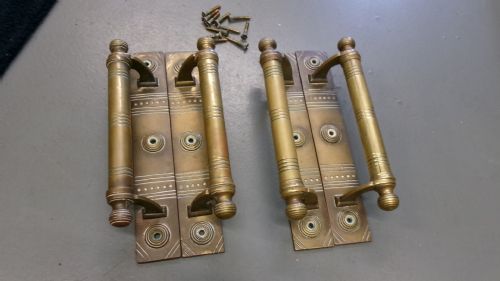
Beyond large furniture, smaller items such as brass door handles, door knobs, and fire dogs appear as matched sets. These decorative fixtures maintain historical consistency across architectural fittings and hearth accessories.
How they were made
Cabinet makers utilised dense hardwoods such as mahogany, rosewood, walnut, and oak, often shaping them with marquetry, brass inlay, and giltwood. Timber selection dictated the structural integrity and surface appearance of tables, cabinets, and chairs.
Seeding and framing relied on traditional joinery techniques, while upholstery utilised silk and other period fabrics fastened to frames. Metal components incorporate cast iron, brass, and nickel for handles, andirons, and decorative inlays.
Listings feature oak, mahogany, rosewood, and walnut across centuries ranging from the 17th century to the Victorian era.
What varies in quality
The refinement of timber grain and the precision of brass inlay distinguish finer examples from standard workshop production. Rosewood and mahogany surfaces show depth when polish is applied with care over centuries.
Proportion and carved detail separate standard domestic items from pieces made for royal palaces or high-status commissions. Consistency between the two objects in a set determines their integrity as a true matched pair.
Jacob-Desmalter·Louis Constantin Le Gaigneur
The Period Furniture Pair Glossary
- Fauteuil
- An open-armed upholstered armchair with an exposed wooden frame, typically originating in French design. These seats combine decorative woodwork with padded comfort.
- Bonheur du jour
- A small light lady writing desk featuring a tiered superstructure with shelves or drawers above the main writing surface. This form gained popularity during the late 18th century.
- What-not
- An open set of tiered shelving used for displaying ornaments and books. Multiple shelves sit supported by slender upright posts.
- Andiron
- A horizontal metal support raised on legs, used to hold logs in an open fireplace. They often feature decorative brass or cast iron terminals.
- Marquetry
- The art of applying pieces of veneer to a structure to form decorative patterns. Craftsmen utilise various coloured woods to create intricate surface designs.
Period Furniture Pair: Frequently Asked Questions
What defines a true pair?
A true pair consists of two objects made by the same hand at the same time, sharing identical dimensions, materials, and decorative details.
Matched pairs, by contrast, bring together two separate pieces of the same period and style that share a strong visual harmony.
How do I care for rosewood?
Rosewood surfaces respond best to stable indoor humidity and protection from direct sunlight to prevent fading and timber splitting.
Regular dusting with a dry cloth maintains the finish without moisture damage.
Where should I place a pair?
Symmetrical placement flanking a fireplace, window, or doorway allows a matching set to establish visual balance in a room.
Alternatively, matching chairs can sit opposite each other across a seating area to unify the layout.
How are periods identified?
Stylistic markers such as brass inlay, cabriole legs, or painted bamboo indicate the prevailing aesthetic of the manufacturing decade.
Timber choice and construction methods further anchor pieces within Georgian, Regency, or Victorian eras.