
Period Furniture Cabinet
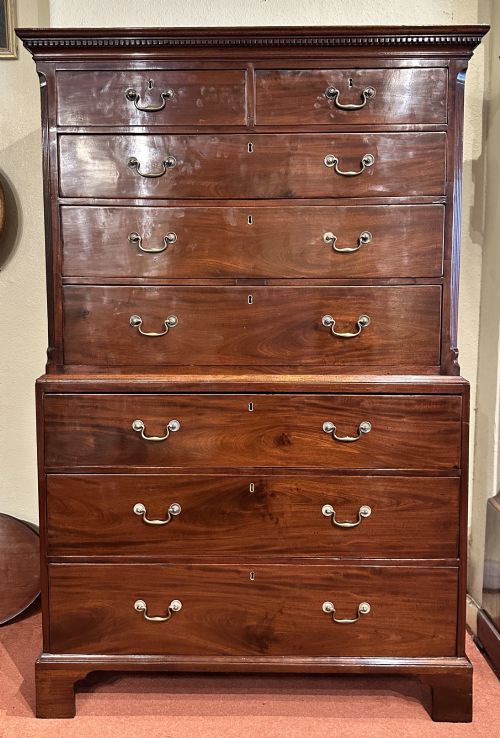
Period furniture cabinet selections encompass everything from George III mahogany bookcases to Charles II panelled vestment cupboards, offering timeless utility and craftsmanship.
Period Furniture Cabinet
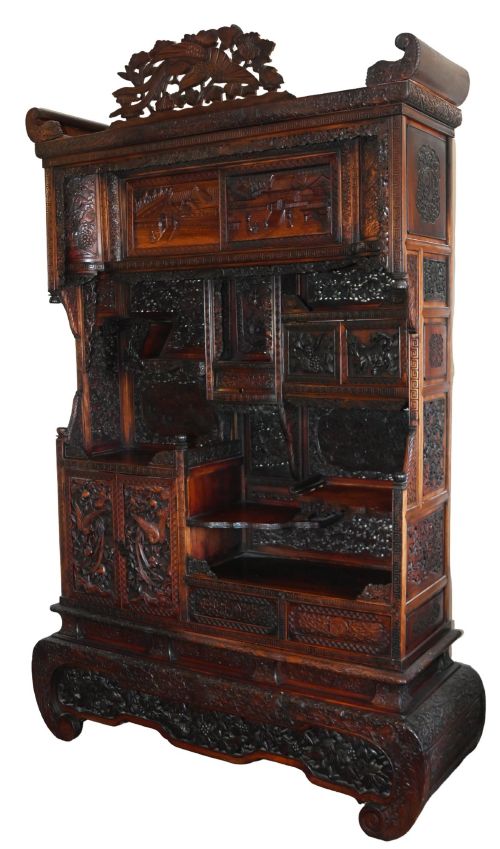
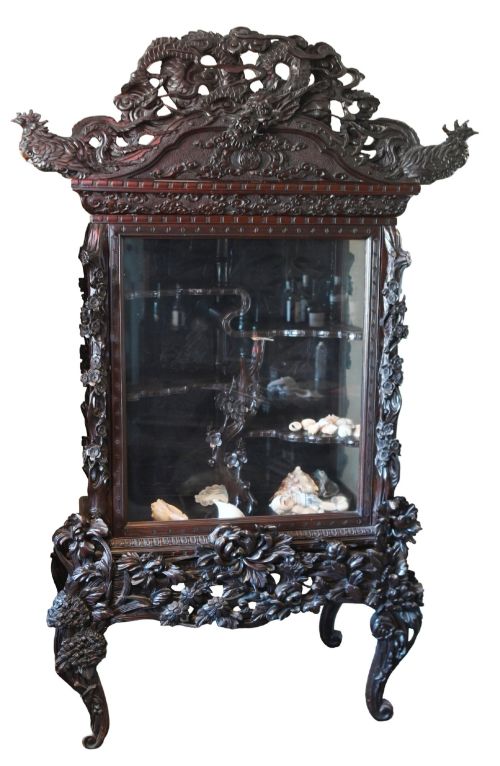
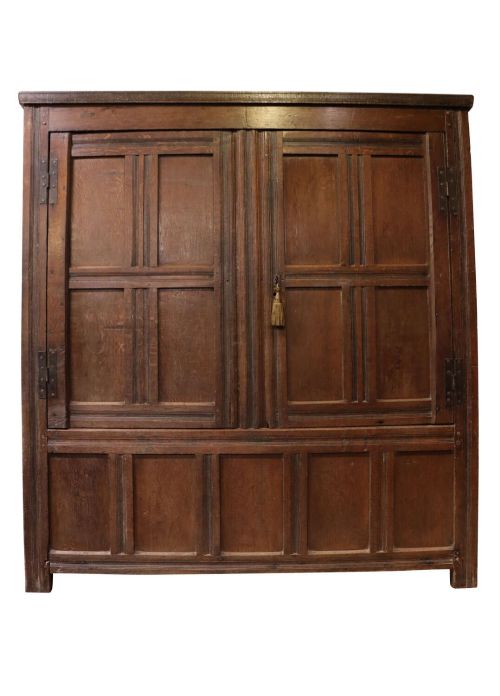
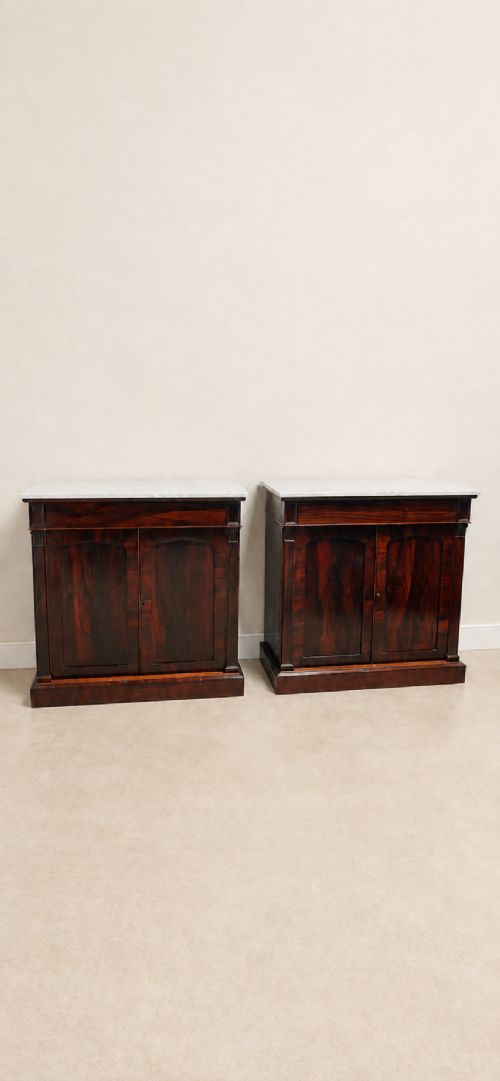
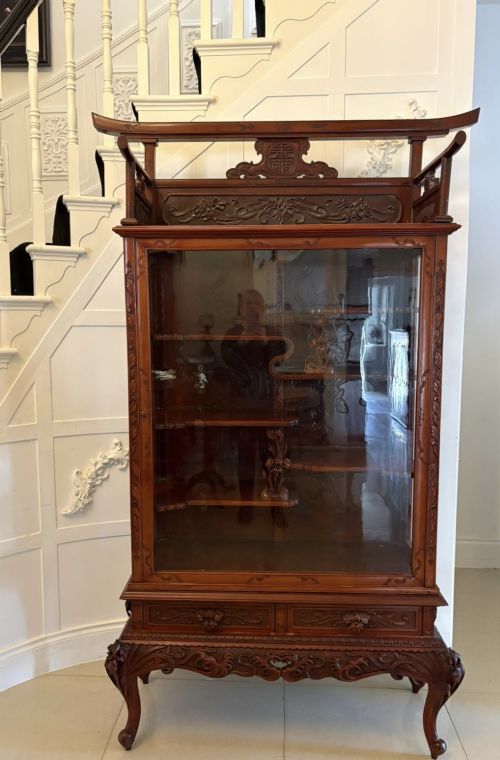
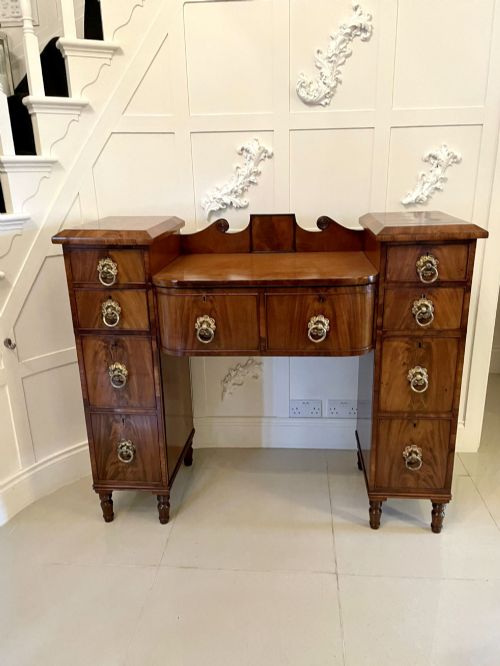
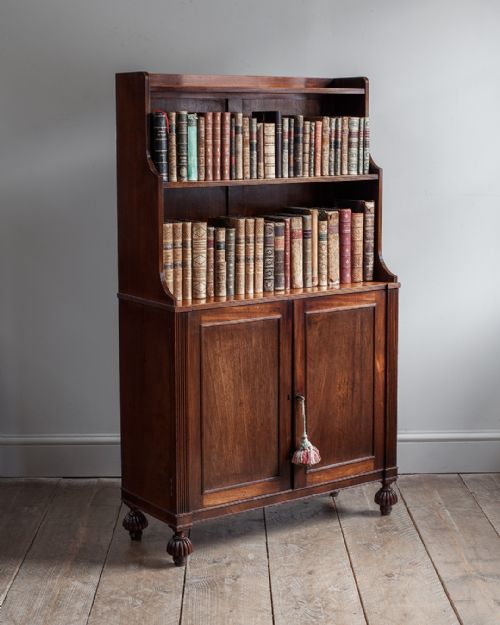
When you examine a period furniture cabinet, you encounter diverse domestic storage forms spanning several centuries of British and continental design. The selection includes side cabinets, display cabinets, chiffoniers, bookcases, desks, and cupboards.
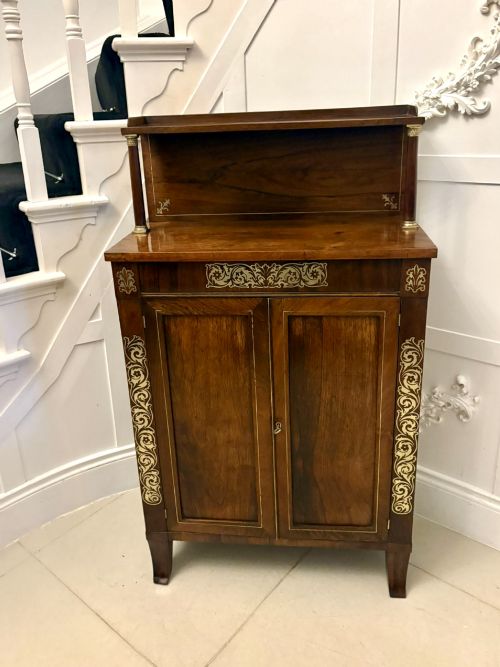
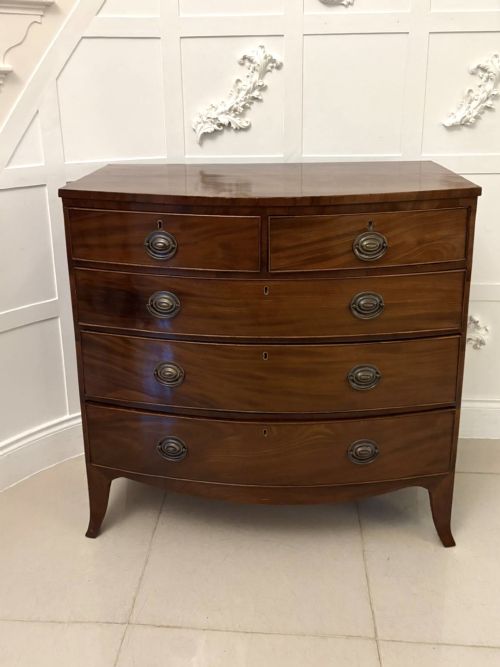
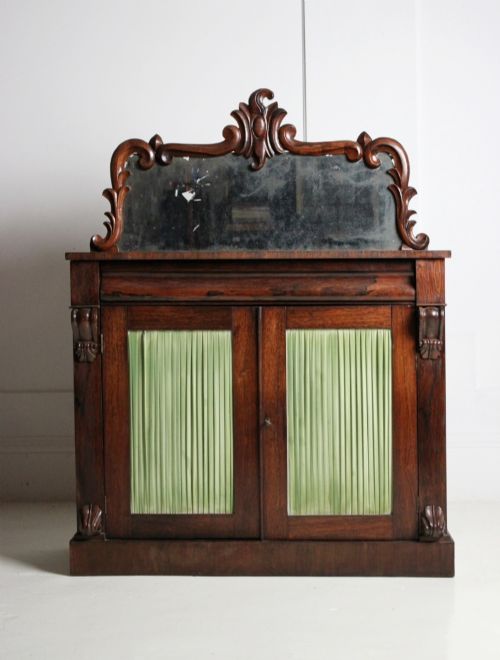
You are most likely to meet Georgian mahogany corner cupboards, Regency rosewood chiffoniers, and 19th-century hardwood pieces on this page. These items reflect the shifting domestic requirements for displaying porcelain, storing linen, and writing letters across the eras.
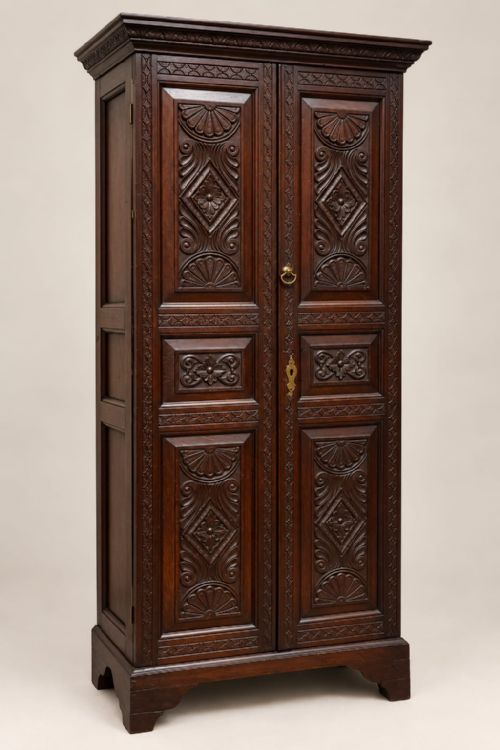
The historical scope extends from 17th-century oak panels through the refined proportions of the Georgian and Regency periods up to Edwardian iterations. Each piece demonstrates how cabinet-makers adapted timber to meet the changing fashions of domestic interiors.
Construction and Materials
Makers relied heavily on solid hardwoods like oak, mahogany, and walnut, often employing veneers of rosewood or burl oak to create decorative exterior surfaces. Brass hardware, including drop handles, escutcheons, and inlaid stringing, accented these dense timbers.
Joinery techniques ranged from early pegged mortise and tenon joints on 17th-century oak cupboards to precise dovetailing on Georgian drawer boxes and delicate inlay work on later Regency and Edwardian examples.
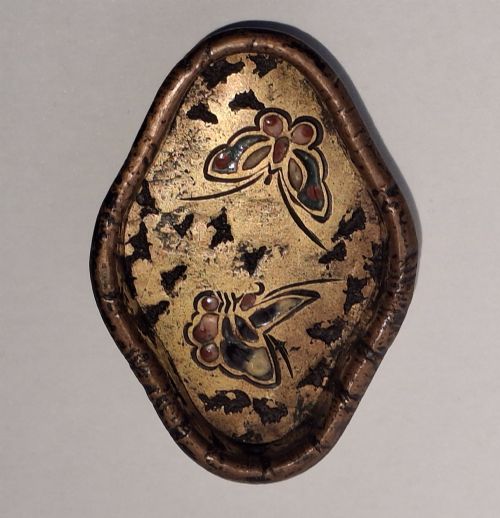
Japanese enamel butterfly door pulls add a delicate touch of Meiji period artistry to traditional cabinet forms.
Assessing Quality
The finest examples display a rigorous attention to timber selection, ensuring grain patterns flow logically across visible surfaces such as drawer fronts and cupboard doors. Superior execution reveals itself in tight, hand-cut joinery that maintains structural integrity without relying on modern fasteners.
Subtlety of carving, the retention of original brass fixtures, and the depth of the polished finish separate workshop masterpieces from utilitarian furniture. The harmony of proportions and the crispness of mouldings indicate the skill level of the original maker.
Louis Constantin Le Gaigneur
The Period Furniture Cabinet Glossary
- Chiffonier
- A low sideboard or cabinet, popular during the Regency period, often featuring shelves or a mirror superstructure above enclosed lower cupboards.
- Davenport
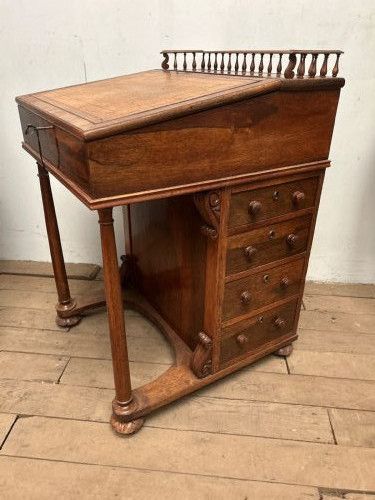
- A small, compact writing desk featuring a sloped writing surface above a pedestal of drawers, originating in the late Georgian era.
- Linen press
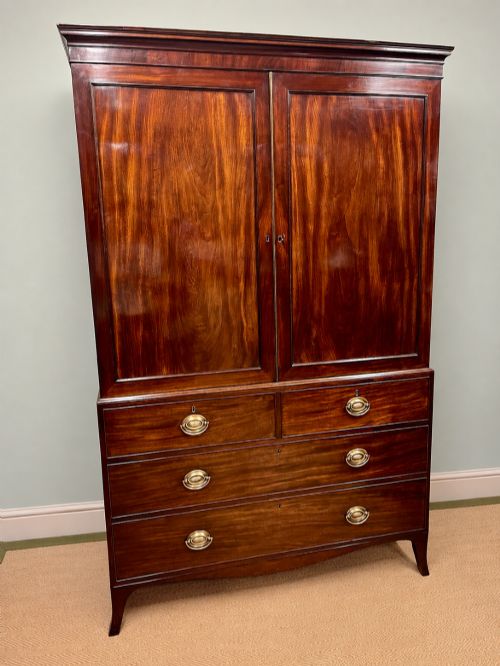
- A tall cupboard designed primarily for storing household textiles, typically containing sliding trays or shelves in the upper section and drawers below.
- Marquetry
- The art of forming decorative patterns on wooden furniture by applying thin veneers of different coloured woods, metals, or ivory.
- Secretaire
- A desk or cabinet featuring a pull-down writing flap that conceals a fitted interior of small drawers and pigeonholes.
Period Furniture Cabinet: Frequently Asked Questions
What is a chiffonier?
A chiffonier is a low cabinet featuring enclosed cupboards below, which became prominent during the Regency era for dining room storage.
These pieces often include a shelf superstructure or scrolling brass gallery details on top.
How do I date a mahogany cabinet?
Dating relies on examining construction methods, timber density, and stylistic motifs present in the piece. Early 19th-century examples often display precise brass inlay and rosewood crossbanding.
Georgian iterations emphasise classical proportions, bracket feet, and solid mahogany drawer linings.
Where should I place a period cabinet?
These cabinets suit living rooms, dining spaces, or hallways where their storage capacity and decorative timber can be appreciated.
Keep them away from direct sunlight and strong heat sources to protect antique wood veneers and polishes.
What is a bracket foot?
A bracket foot is a simple corner foot shaped like a bracket, commonly found on 18th-century chests of drawers and cabinets.
This form provides stable support while maintaining clean architectural lines at the base of the furniture.