



Period Fireplace Guard
These period fireplace guard pieces protect floors and rooms from stray embers while anchoring the hearth with traditional metalwork.
Period Fireplace Guard
A period fireplace guard acts as a physical barrier before the hearth, catching stray sparks and preventing hot ash from reaching the floor. When browsing this selection of period fireplace guard examples, you encounter various configurations designed for coal and wood fires.
The objects listed range from sturdy hearth fenders to wirework screens and low guards. Georgian, Regency, Victorian, and Edwardian eras dominate the selection, showing how domestic heating accessories evolved across the centuries.
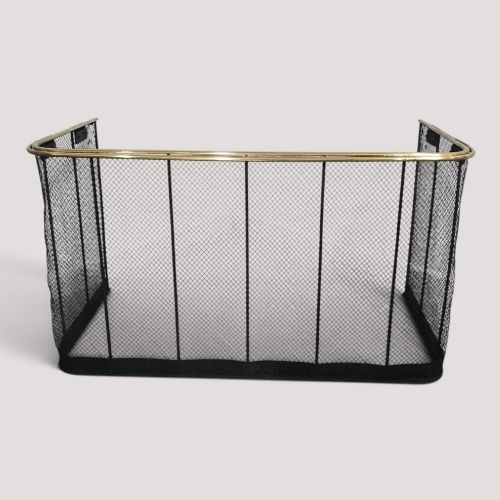
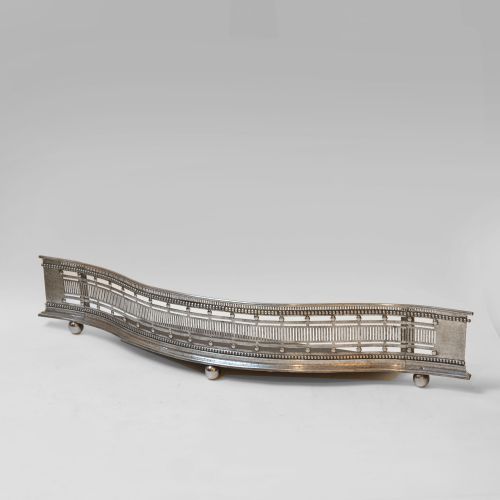
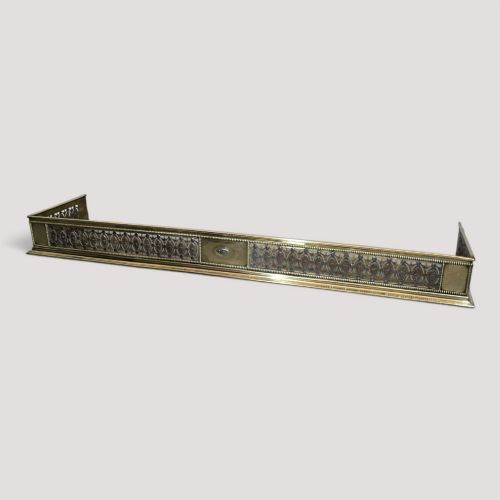
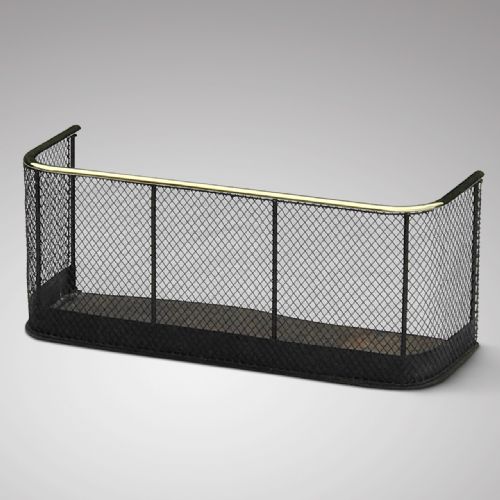
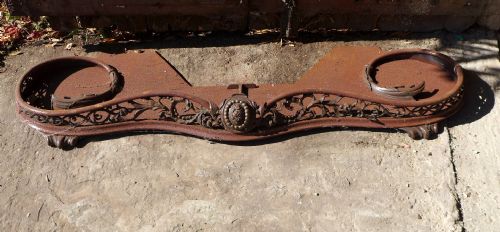
You are most likely to meet brass and iron fenders featuring pierced metal, wire mesh, or heavy top rails. These pieces frequently combine steel bodies with decorative brass trims or incorporate cut steel detailing.
Materials and construction
Makers utilised durable metals such as cast iron, wrought iron, and steel to provide structural strength for daily hearth use. Brass elements were frequently added to provide bright contrast against the darker iron frameworks.
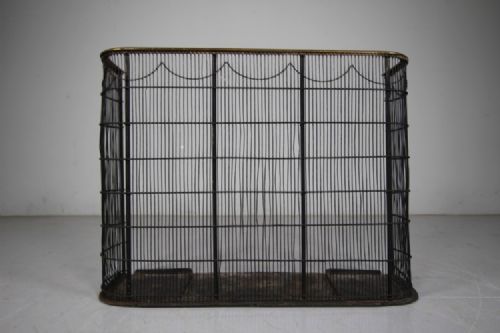
Wire mesh and fine wirework formed lightweight protective screens, whilst heavier fenders employed shaped sheet metal and cast components. Cut steel applications and scrolled brass top rails required skilled hand-finishing by period metalworkers.
Some Edwardian brass fenders are so heavy that moving them for a spring clean counts as a legitimate upper-body workout.
Judging quality in metalwork
Quality reveals itself in the weight of the metal and the crispness of the casting or wirework. Heavy iron and thick brass plating separate substantial household pieces from lighter utilitarian versions.
Refinement in the decorative detailing, such as carefully fitted bowfront curves or hand-applied cut steel facets, elevates an ordinary hearth accessory into a piece of fine craftsmanship.
The Period Fireplace Guard Glossary
- Fender
- A low metal guard placed on the floor around the hearth to contain coals and ash. These items protect the carpet or floorboards from damage.
- Wirework
- Metal components constructed from woven or twisted wire strands. This technique created light, transparent screens that blocked sparks without hiding the fire.
- Serpentine
- A gently undulating curved shape often seen on the front edge of Georgian fenders. This fluid outline softened the rigid appearance of heavy metal.
- Cut steel
- Small faceted steel studs riveted onto a backing plate to catch the firelight. This decorative treatment was popular on finer period pieces.
- Bowfront
- A curved frontal projection that bows outward into the room. This profile added visual depth to standard rectangular hearth accessories.
Period Fireplace Guard: Frequently Asked Questions
What is a period fireplace guard used for?
These metal guards and fenders sit directly in front of the fireplace opening to catch falling embers and hot sparks.
They also serve to frame the hearth area cleanly, keeping fire tools and ash contained within a defined perimeter.
How do I date a brass fender?
Dating relies on observing the stylistic cues, construction methods, and material combinations recorded across different eras. Georgian and Regency examples often feature sleek steel profiles or delicate wirework, while Victorian and Edwardian pieces lean toward heavier cast iron and substantial brass top rails.
Examining the fastenings and assembly techniques helps confirm whether a piece belongs to the nineteenth century or later periods.
Are iron and steel fenders difficult to maintain?
Iron and steel require occasional cleaning to prevent surface oxidation, especially in damp environments. Keeping the metal dry preserves the original texture of the material.
Brass sections respond well to standard metal cleaning cloths if you prefer a brighter shine, though many collectors leave the aged patina untouched.
What is the difference between a fender and a fire guard?
A fender is a low barrier that sits flat on the hearth floor around the base of the fire. It primarily stops rolling logs and sparks from spilling onto the room flooring.
A fire guard or screen often incorporates taller wire mesh panels to provide a higher vertical barrier against popping embers.