






Period Fire Fender
A period fire fender anchors the hearth, protecting the room while framing the fire with brass, steel, or iron.
Period Fire Fender
A period fire fender defines the hearth space, serving both a functional safety role and a decorative purpose in the room. These metal hearth surrounds keep embers contained while framing the fireplace.
The selections span several eras, with Victorian, Edwardian, and Regency pieces appearing alongside Georgian designs and Arts and Crafts examples. Materials range from polished brass and cast iron to steel and beaten copper.
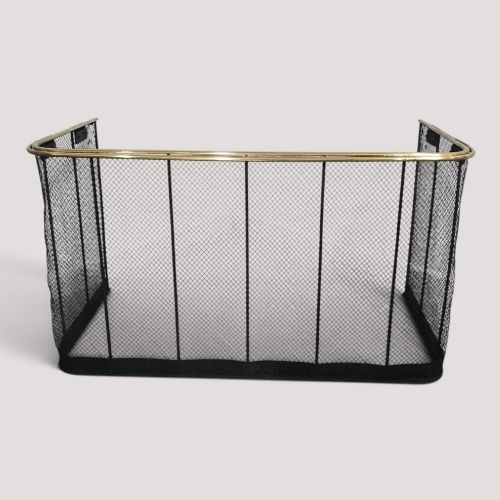
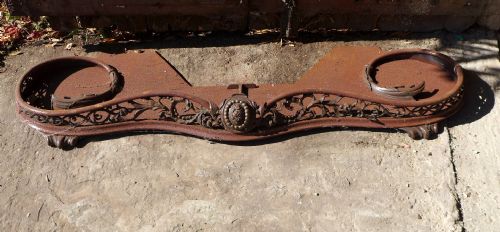
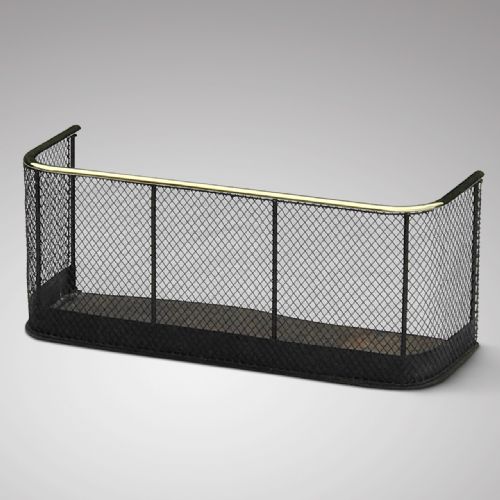
Forms vary from simple wire mesh fire guards to heavy brass rails and serpentine steel hearth fenders. Many pieces incorporate decorative details such as scrolled ironwork or polished top rails.
How They Were Made
Blacksmiths and metalworkers shaped these pieces using cast iron, wrought iron, and steel, often combining heavy structural frames with finer wire mesh or decorative panels. Brass and copper components were hammered, beaten, or cast to form polished rails and decorative mounts.
Construction techniques include riveted joints, scrolled ironwork, and cut-steel embellishments designed to catch the hearth light. Many examples pair a sturdy iron or steel base with gleaming brass top rails and fittings.
Period Fire Fender Retail Price Guide 2026
Typical asking prices for period fire fender among the pieces listed under this phrase on Sellingantiques today, from the lower quarter to the upper quarter. They describe what is for sale here now, not the wider market.
What Varies in Quality
The weight of the metal and the precision of the assembly distinguish standard hearth accessories from superior examples. Heavier gauge brass and solid cast iron demonstrate robust construction.
Finishing work sets individual pieces apart, seen in the crispness of cut-steel detailing, the smoothness of polished brass, and the hand-beaten texture of Arts and Crafts copper panels.
The Period Fire Fender Glossary
- Fender
- A low metal guard placed around the hearth to contain coals and sparks. It sits directly on the floor in front of the fireplace opening.
- Serpentine
- A gently undulating, curved outline shaped like a snake. This profile is frequently seen on formal eighteenth and nineteenth century steel hearth fenders.
- Fire Guard
- A protective mesh or wire screen designed to prevent sparks from escaping into the room. These often include a decorative brass top rail.
- Fireback
- A heavy cast iron plate placed at the back of the fireplace hearth. It radiates heat forward and protects the masonry wall.
- Ormolu
- Gilded bronze used for decorative mounts and decorative hardware. It provides a bright golden finish on French and English period pieces.
Period Fire Fender: Frequently Asked Questions
What is a fire fender used for?
A fire fender sits around the hearth to keep burning logs, hot coals, and sparks from rolling out onto the carpet or floorboards. It creates a physical boundary that protects the room.
Beyond safety, these metal frames finish the fireplace installation. They provide a neat border that ties the hearth furniture together with the rest of the room.
How do I choose the right size?
Measure the width and depth of your hearth stone before selecting a fender. The piece needs to fit comfortably within the perimeter while leaving adequate space around the grate.
Consider the projection of the hearth as well. A serpentine or curved fender requires specific clearance to ensure the legs or base sit securely on a flat surface.
What materials were used?
Makers relied heavily on metals that could withstand high heat near the fire. Brass, cast iron, wrought iron, and steel are the most common materials found on these pieces.
Some examples also incorporate copper, wire mesh, and cut steel for decorative effect. Combinations of brass and iron were frequently used to contrast polished brightwork with dark metal frames.
How do I clean brass and iron?
Dust metal fenders regularly with a soft, dry cloth to prevent soot and ash buildup. Avoid harsh chemical cleaners that can strip the historic patina from the surface.
For polished brass, use a gentle metal polish applied sparingly with a cloth. Cast iron and steel parts benefit from a very light application of oil or wax to prevent oxidation.