
Period Fine Art Painting
Period fine art painting brings centuries of portraiture and landscape into a room, offering historic oil paintings and pastels housed in original frames.
Period Fine Art Painting
A period fine art painting search uncovers centuries of historical portraiture and landscape works originating from seventeenth, eighteenth, and nineteenth-century schools.
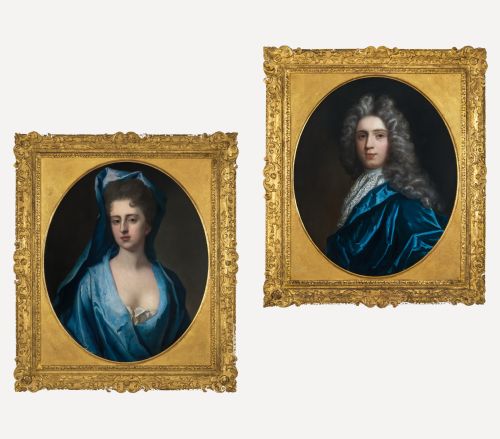
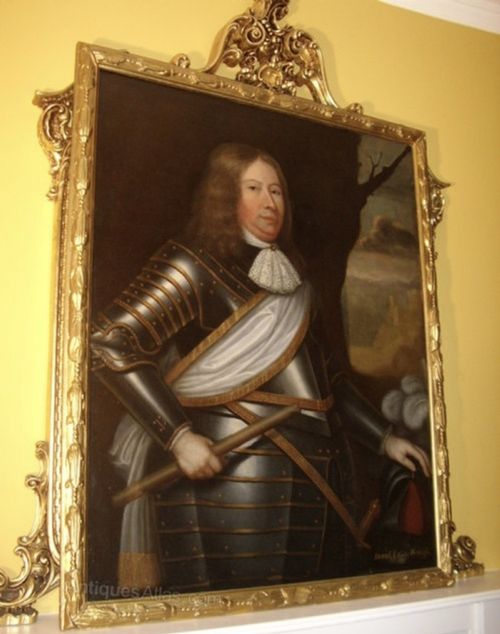
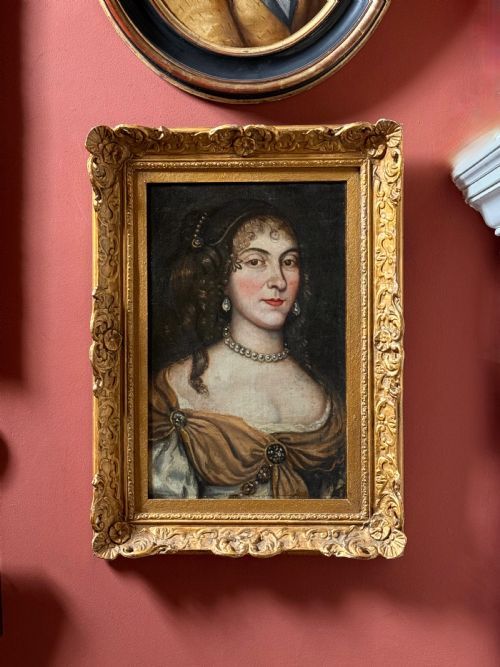
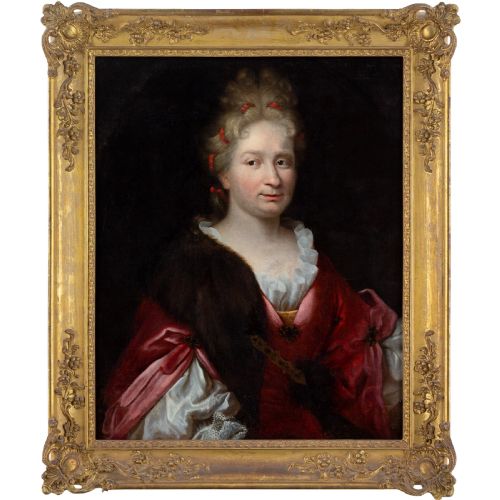
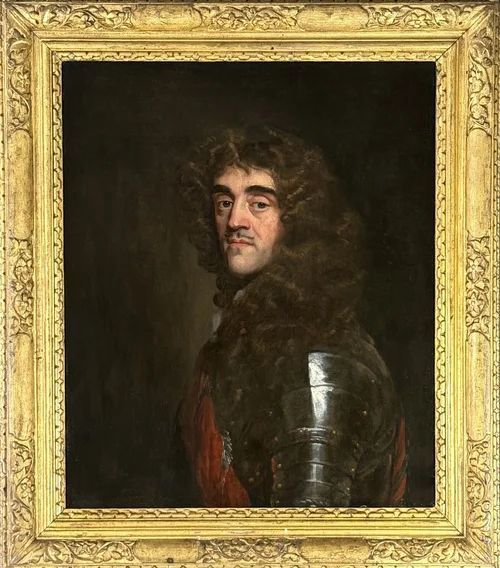
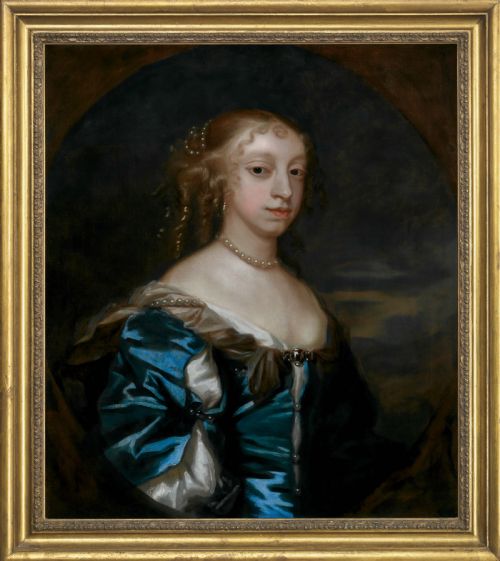
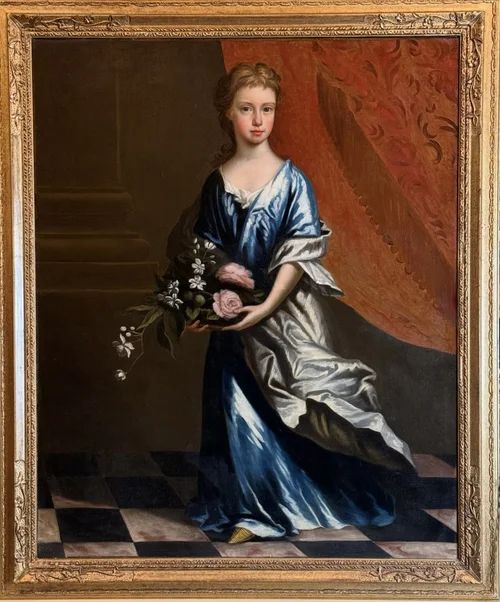
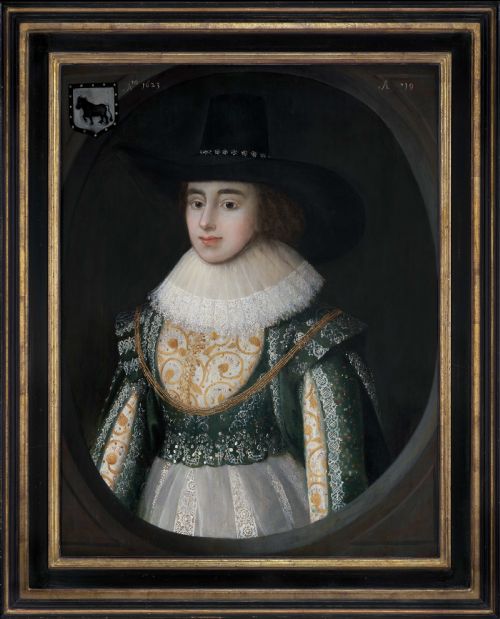
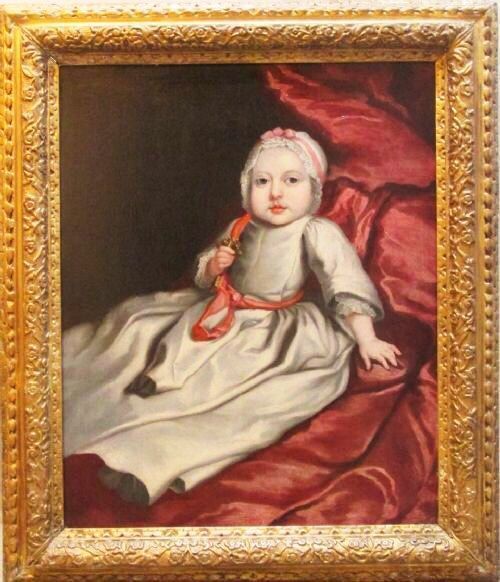
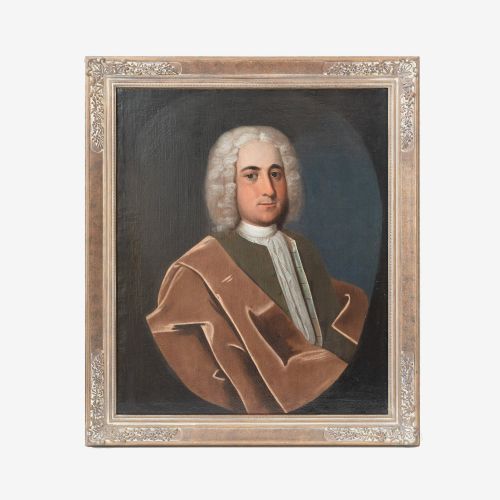
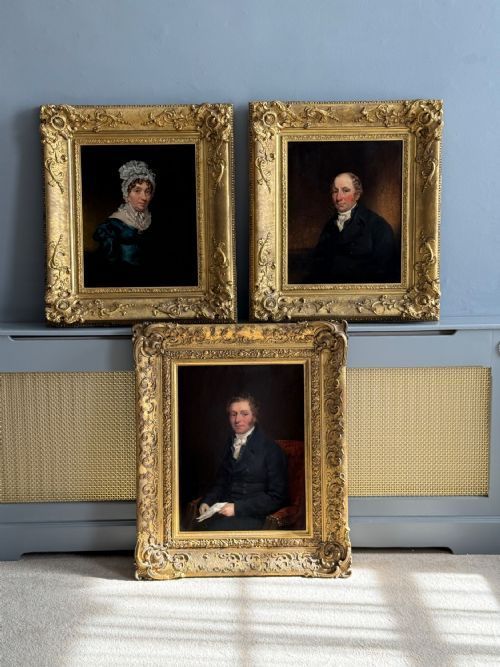
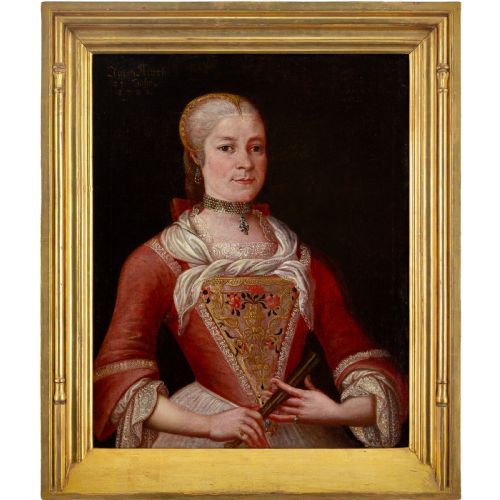
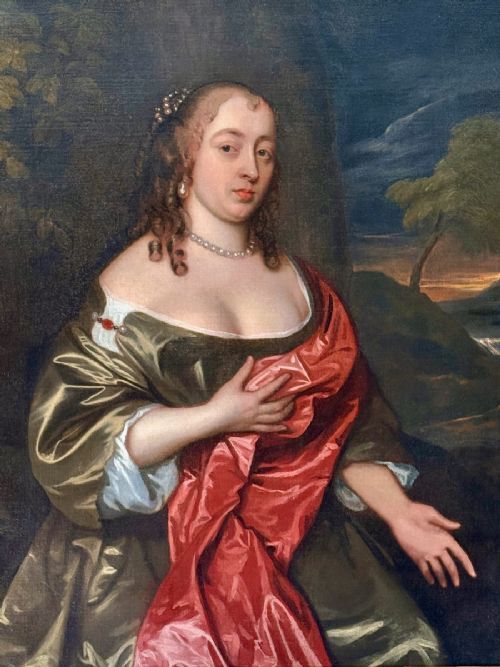
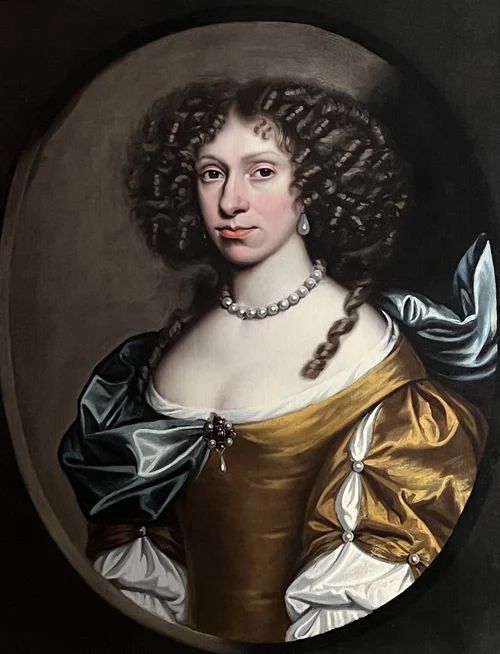
Buyers will most frequently encounter oil on canvas and oil on panel portraits depicting nobility, military officers, and family members from the Georgian, Regency, and Jacobean eras.
The selection ranges from monumental Edwardian canvases and pastel portraits to reverse glass mezzotints and works attributed to regional European makers.
Materials and methods
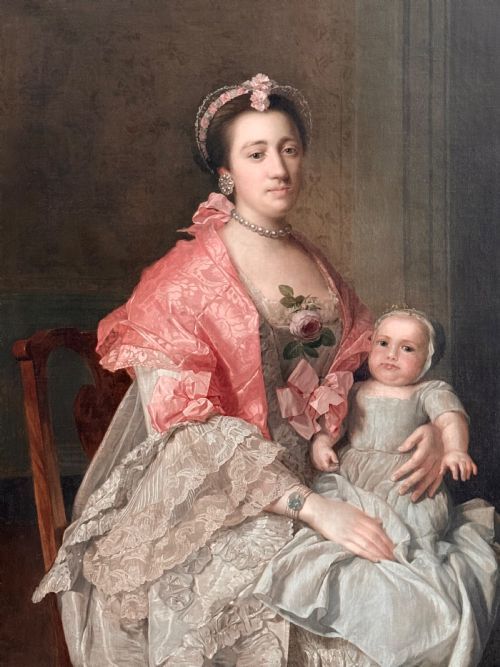
Painters applied oil paint and pastel onto stretched canvas or wooden panels, often building up rich layers to capture sumptuous fabrics, lace, and elaborate costume details.
Surviving works are frequently presented within their original carved wood, plaster, and gold leaf gilt frames that reflect the decorative taste of the period.
Several seventeenth-century military officers glare sternly across the centuries while wearing remarkably large lace collars.
Assessing quality
Quality rests upon the skill of the brushwork, the psychological depth captured in the sitter's expression, and the structural integrity of the underlying canvas or panel.
The presence of a well-documented attribution or connection to a recognised school elevates a piece above standard decorative works of the same era.
Joseph Clover RA·John Hayls·David Scougall·Joshua Reynolds PRA·Pierre Mignard·Mary Beale·John Russell·Thomas Beach·Van Dyck·Sir Thomas Lawrence·John Greenhill·Allan Ramsay·Sir Peter Lely·Francis Hayman·Trajan Hughes·Jeremiah Davison·Cornelius Johnson·Henry Pickering·James Maubert·Joseph Highmore·Charles H Passey·Richard Temple·Manpei
The Period Fine Art Painting Glossary
- Oil on canvas
- Pigment bound in drying oil applied to a woven fabric support. This was the primary medium for large-scale European portraits from the seventeenth century onward.
- Giltwood
- Timber that has been coated with a thin layer of gold leaf or gold paint. Frames utilising this finish were designed to catch and reflect candlelight in period interiors.
- Pastel
- A dry art medium consisting of powdered pigment and a binder. It creates a velvety surface texture that requires protective glass framing.
- Panel painting
- Artwork executed on a flat wooden board rather than fabric. Earlier seventeenth-century works frequently utilised oak or similar timber panels.
- Baroque
- An ornate artistic style spanning the seventeenth and early eighteenth centuries characterised by dramatic movement and deep shadow.
Period Fine Art Painting: Frequently Asked Questions
How do I care for an antique oil painting?
Keep historic canvases away from direct sunlight and dramatic shifts in household temperature or humidity. Dust the surface very gently with a dry, soft brush without applying pressure to the paint layer.
Avoid using modern cleaning sprays, water, or chemical solvents on the paint or the gilt frame. Consult a professional art conservator if the canvas requires deeper cleaning or structural repairs.
Are these paintings supplied with their original frames?
Many works retain their period giltwood or wood frames, which show the authentic wear and patina accumulated over hundreds of years. Original frames complement the historic context of the artwork.
Descriptions will note whether the frame is period or a later replacement. Inspecting the joinery and gilding on the reverse helps confirm the age of the housing.
How can I tell the seventeenth century from the eighteenth century?
Seventeenth-century portraits often feature rigid formality, elaborate lace collars, dark backgrounds, and heavy wooden panel supports. Subjects frequently include nobility or military figures in strict poses.
Eighteenth-century works introduce softer lighting, more relaxed poses, lighter pastel palettes, and a greater prevalence of stretched canvas supports reflecting Georgian tastes.
Where should I hang a large period portrait?
Position the piece on a sturdy interior wall where it is protected from moisture and strong heat sources like radiators. Ensure the hanging fixings match the weight of the heavy wooden frame.
Allow the painting to become a focal point in a reception room or hallway where adequate indirect light lets the fine details emerge.