


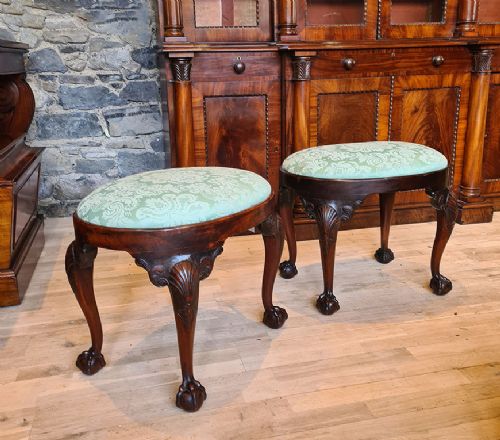
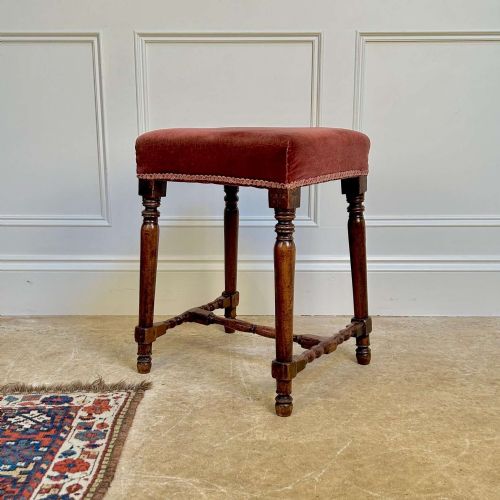


Period Dressing Stool
A period dressing stool offers practical charm and sturdy construction, bringing genuine historical character to any bedroom corner.
Period Dressing Stool
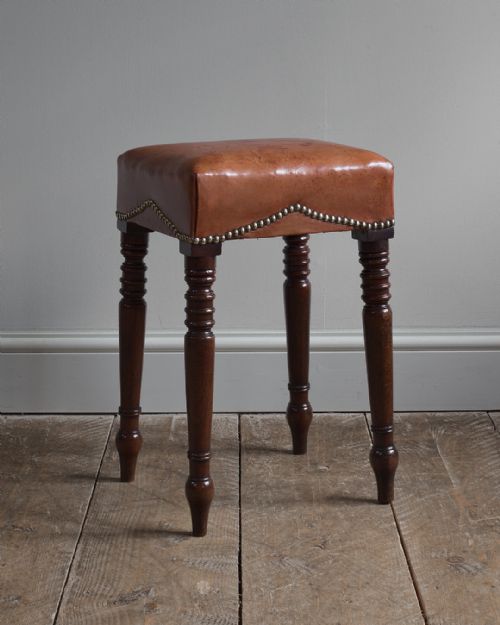
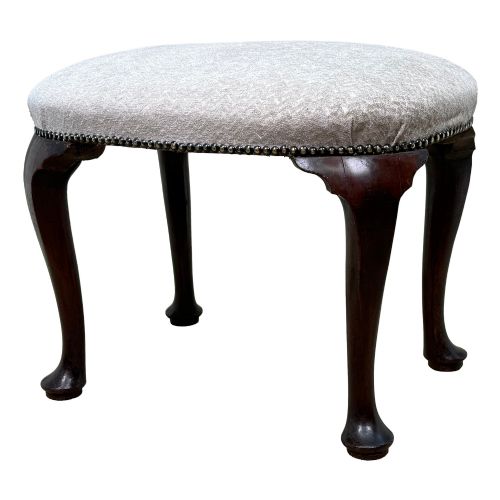
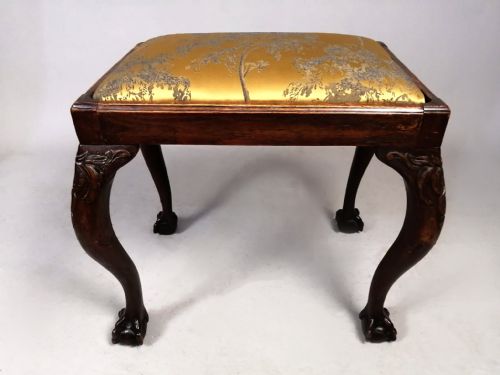
A period dressing stool sits comfortably in a bedroom or dressing room, serving its traditional purpose before a mirror or vanity. These low seating pieces appear in various historic forms, from simple wooden frames to elaborate carved examples.
The selection here draws primarily from eighteenth and nineteenth-century designs, encompassing Georgian, Regency, and Queen Anne styles. Walnut, mahogany, and rosewood form the main timber choices for these traditional frames.
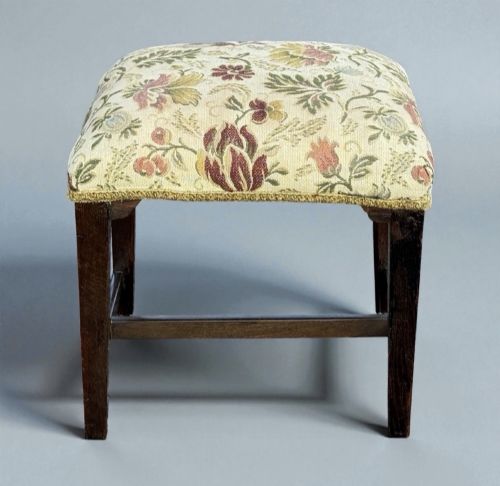
Makers fashioned these compact seats to tuck neatly beneath tables when not in use. Buyers encounter rectangular, oval, and X-framed variants upholstered in fabric, leather, or tapestry.
Materials and construction methods
Cabinet makers utilised dense hardwoods such as mahogany, walnut, oak, and elm to build stable and lasting frames. Skilled joinery techniques ensured that small joints and carved legs supported regular use.
Upholstery involved durable textile, leather, brass detailing, and tapestry stretched across internal webbing or padding. Simulated rosewood finishes also appeared alongside solid timber constructions to mimic expensive exotic woods.
Period Dressing Stool Retail Price Guide 2026
Typical asking prices for period dressing stool among the pieces listed under this phrase on Sellingantiques today, from the lower quarter to the upper quarter. They describe what is for sale here now, not the wider market.
The inventory records distinct regional designs, including specific cabinet-making traits from Irish and Swedish workshops.
Distinguishing quality across examples
Superior execution shows in the crispness of hand-carved details on cabriole legs and frame rails. Master craftsmen invested time into precise joinery and balanced proportions, separating standard workshop pieces from exceptional creations.
The choice of primary timber and the integrity of the secondary woods dictate overall structural longevity. Original upholstery methods and fine textile selection further elevate certain pieces above standard utilitarian alternatives.
Gillows
The Period Dressing Stool Glossary
- Cabriole leg
- A furniture leg that curves outward and then tapers inward, mimicking an animal's limb. This design style frequently appears on eighteenth-century seating.
- X-frame
- A structural furniture base formed by intersecting diagonal timbers that create an X shape when viewed from the side. This configuration provides distinct architectural support.
- Lowboy
- A small historic table with drawers, often associated with dressing or serving functions. Examples in oak or walnut share domestic spaces with period stools.
- Tapestry
- A heavy hand-woven or needlepoint textile used for decorative upholstery. Historic pieces often feature intricate floral or pictorial patterns.
Period Dressing Stool: Frequently Asked Questions
Where should I place a dressing stool?
These compact seats fit naturally beneath dressing tables, by bedroom windows, or tucked into quiet corners as extra seating.
Their modest proportions allow them to function as footstools or occasional seats in living spaces.
How do I identify a Georgian stool?
Georgian pieces typically feature mahogany or walnut timbers, straight or cabriole legs, and understated carved decoration.
Proportions remain balanced and functional, reflecting the domestic design priorities of the eighteenth century.
Are these stools comfortable for daily use?
Historic padding and textile upholstery provide firm support rather than deep modern cushioning. Traditional construction prioritised upright posture at a vanity or dressing table.
Many examples retain their original webbing and stuffing methods, which feel firmer than contemporary foam.
What is the difference between an ottoman and a dressing stool?
Ottomans usually offer larger proportions and sometimes internal storage for linens or garments. Dressing stools remain compact and open beneath, designed specifically for vanity use.
Height and top dimensions vary accordingly between the two seating forms.