



Period Dressing Glass
Period dressing glass pieces offer the refined craft of Georgian and Regency chambers, bringing functional mirrors and delicate vanity items into modern homes.
Period Dressing Glass
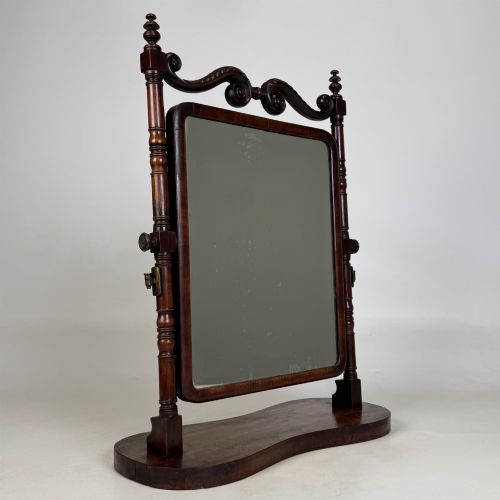
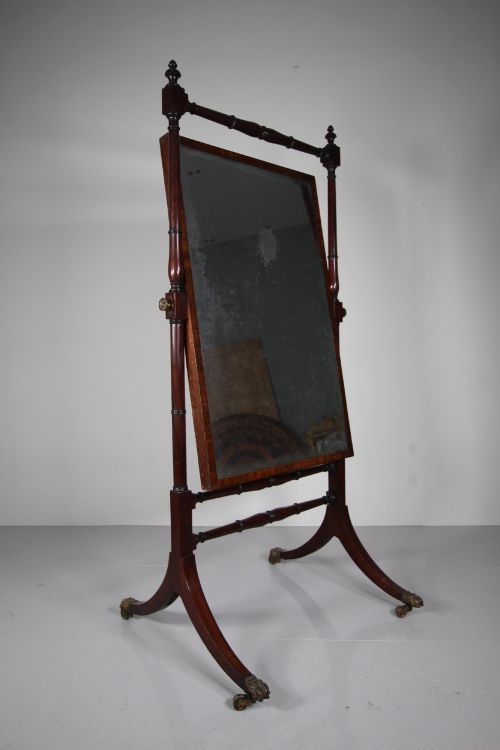
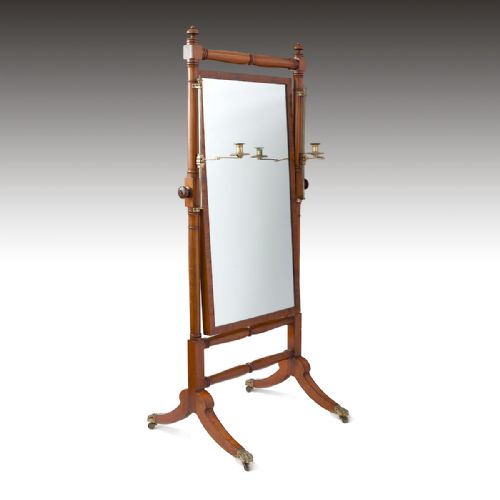
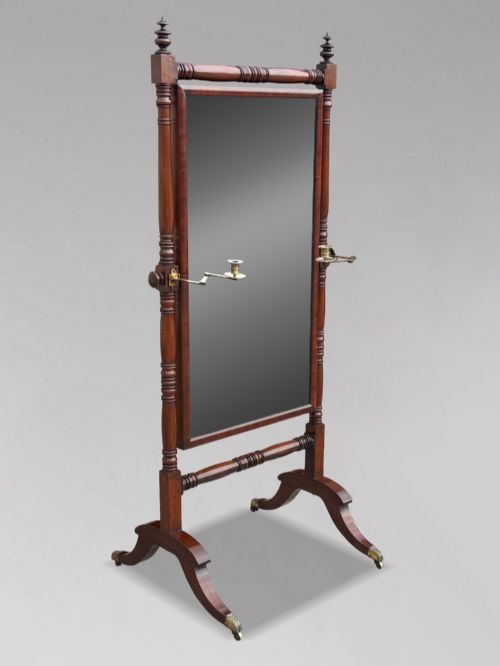
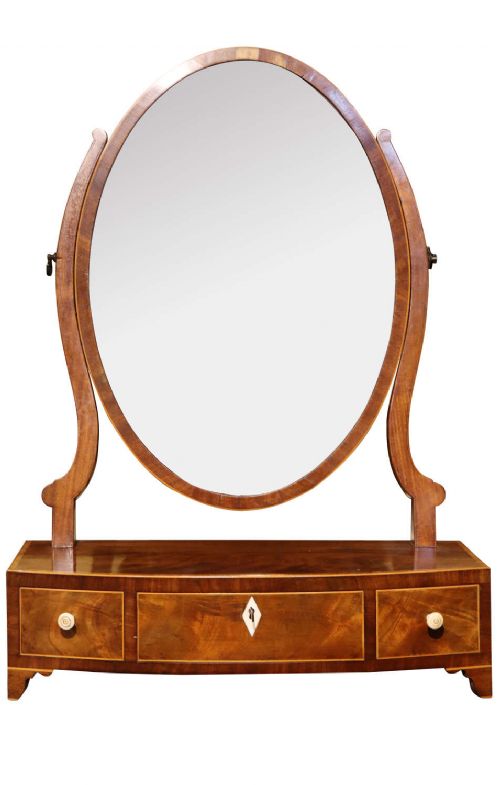
A period dressing glass serves as a traditional vanity mirror, designed to sit upon a chest or dressing table during the Georgian and Regency eras. Buyers searching for a period dressing glass encounter both compact table models and tall freestanding cheval mirrors. Mahogany forms the backbone of these survivals, frequently paired with adjustable pivots and box bases containing small drawers.
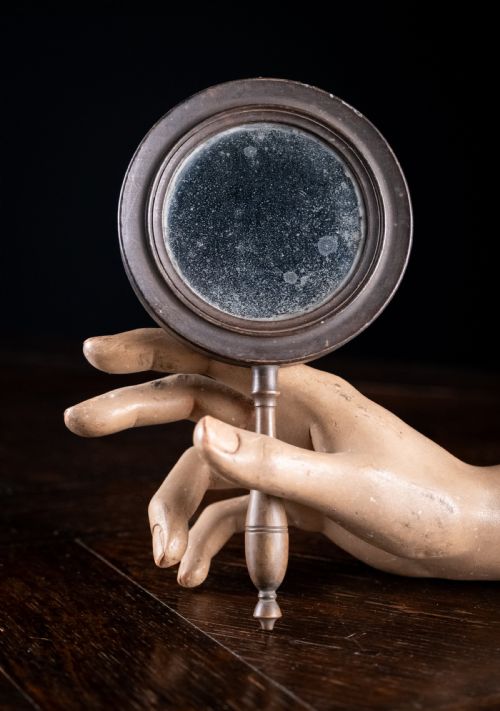
Table-standing toilet mirrors represent the most frequent format on this page, often featuring crossbanded veneers and subtle bracket feet. Alongside these larger items, the category encompasses smaller vanity accessories like hand mirrors and miniature glass stands. Each piece reflects the domestic interior arrangements of the eighteenth and nineteenth centuries.
How they were made
Cabinetmakers constructed these frames primarily in mahogany, occasionally selecting flame veneers for rich surface movement. Timber components were joined with traditional cabinetry methods, while brass screws and pivot hardware allowed the mirror plates to tilt.
Mirror plates of the period relied on early glass-making techniques, sometimes retaining their original silvering or showing characteristic subtle distortions. Artisans integrated secondary woods and bone details into the internal drawer construction and decorative mounts.
Mahogany is the predominant timber across these listings, accompanied by brass hardware and occasional ebonised finishes.
What varies in quality
Quality rests in the crispness of the timber selection and the restraint of carved detail. Superior examples display carefully matched grain patterns across the fall of the frame and refined proportions in the supporting uprights.
The integrity of the original mirror plate and the retention of matching brass hardware distinguish finer pieces from those altered over time. Finer cabinet work shows in the precise dovetailing of the base drawers and the harmonious balance of the swing frame.
The Period Dressing Glass Glossary
- Cheval mirror
- A large freestanding full-length dressing glass supported by four legs and vertical pillars. These tall mirrors allowed a person to view their entire outfit.
- Toilet mirror
- A smaller dressing glass designed to stand upon a table or chest. They typically incorporate a small box base fitted with small drawers for trinkets.
- Crossbanding
- A decorative border of veneer laid across the grain of the main surface. This technique creates a neat framing effect on table edges and drawer fronts.
- Patch stand
- A small glass pedestal used in past centuries to hold cosmetic beauty patches. These delicate items reflect the intricate dressing table habits of the Georgian period.
Period Dressing Glass: Frequently Asked Questions
Where were dressing glasses placed?
Historically, dressing glasses stood upon dedicated dressing tables, chests of drawers, or washstands within bedchambers. Larger cheval formats stood directly on the floor in dressing rooms and boudoirs.
Their adjustable frames allowed users to alter the angle of reflection for seated or standing use.
How do I date a dressing glass?
Dating relies on stylistic clues such as the form of the support standards, foot shapes, and cabinet timbers. Georgian examples often display bracket feet and crossbanding, while Regency pieces feature bolder mahogany grains and ebonised details.
Construction methods inside the drawer boxes also help confirm the manufacturing period.
Are the mirror plates original?
Many surviving dressing glasses retain their original mercury or silvered glass plates, though some have been replaced over the centuries. Original plates often exhibit light foxing or subtle surface ageing.
Examining the depth and backing of the glass helps determine its age relative to the wooden frame.