





Period Double Sofa
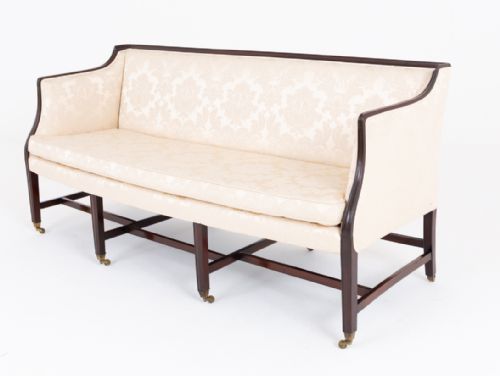
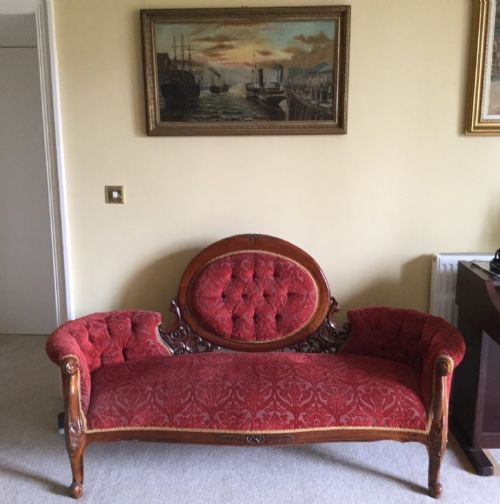
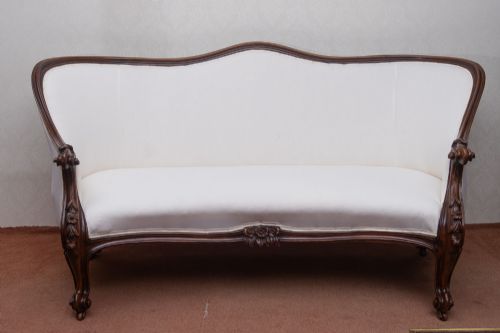
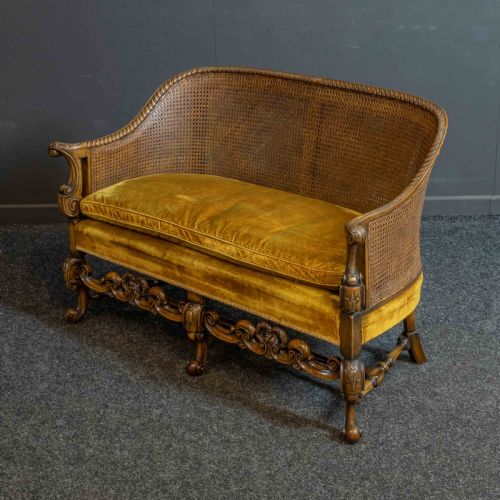
A period double sofa brings substantial seating and historic presence to a room, ranging from walnut framework to mahogany frames.
Period Double Sofa
A period double sofa encompasses settees and two-seat configurations created across multiple centuries, including Georgian, Regency, and Victorian eras. These items serve as traditional seating arrangements that bring historic form into modern rooms.
The versions most commonly met on this page span mahogany and walnut constructions, reflecting styles from Queen Anne Revival to George II and Chippendale influences. Makers employed timber frames shaped into settees and double-ended designs.
Examples range from early eighteenth-century English walnut pieces to late nineteenth-century revival items and nineteen-hundred productions. Each piece offers distinct regional and stylistic markers linked to its specific period of manufacture.
How they were made
Construction relies upon solid timbers such as mahogany and walnut, shaped into frames that support sprung settee bases and carved elements. Joinery techniques connect structural timbers to form sturdy double-seat frameworks.
Upholstery involves fabric applications including velvet, brocade, damask, and upholstery fabrics, often secured over sprung foundations. Brass details occasionally appear as mounting elements or hardware accents on specific frames.
Period Double Sofa Retail Price Guide 2026
Typical asking prices for period double sofa among the pieces listed under this phrase on Sellingantiques today, from the lower quarter to the upper quarter. They describe what is for sale here now, not the wider market.
Some double-ended sofas let two people converse in opposite directions without ever making direct eye contact.
What varies in quality
The refinement of timber carving distinguishes different examples, with hand-carved details on walnut and mahogany showing greater depth and precision than simpler mouldings. Proportions and the grace of scroll-ends or chair-backs also influence the overall standard of a piece.
The integrity of the original wood framework and the execution of re-upholstery using appropriate textiles like deep pile brocade or damask affect the finish. Superior items maintain balanced structural forms across the arms, back, and base.
The Period Double Sofa Glossary
- Double-ended sofa
- A sofa featuring two scroll ends or symmetrical raised ends that allow sitting from either direction. This form appears in Regency and later nineteenth-century pieces.
- Settee
- A long upholstered seat with a back and arms, designed for two or more people. It represents the primary form categorised under these listings.
- Chippendale style
- A furniture style drawing on the designs of Thomas Chippendale, characterised by carved mahogany and intricate back splats. Pieces on this page include eighteenth-century examples.
- Queen Anne style
- A graceful furniture style featuring curved lines, cabriole legs, and walnut primary woods. Revival versions of this style also occur in later periods.
- Brocade
- A rich, heavy fabric woven with a raised pattern, frequently utilised for upholstery on period seating. It provides a textured surface finish.
Period Double Sofa: Frequently Asked Questions
How do I identify the period?
Dating relies upon stylistic markers, timber choices, and construction methods characteristic of eras such as the eighteenth century, Regency, or late nineteenth century. Walnut predominates in earlier pieces, while mahogany spans both Georgian and later Victorian items.
Reviewing the specific carved details, frame shapes, and revival styles helps place each piece within its historical context.
Were these sofas used in bedrooms?
While most double settees and sofas were designed for formal reception rooms and parlours, smaller scaled seating often found placement in large bedrooms or dressing chambers.
Their primary role remained accommodating multiple sitters in domestic entertaining spaces.
How do I care for antique upholstery?
Maintenance involves gentle vacuuming with a soft brush attachment to remove dust from fabrics like velvet, damask, and brocade without damaging the textile fibres.
Protecting the piece from direct sunlight preserves the colour and integrity of both the fabric and the underlying wooden frame.