

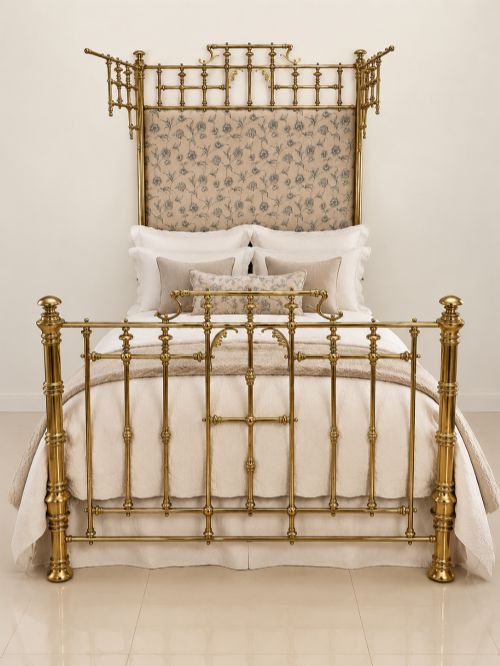
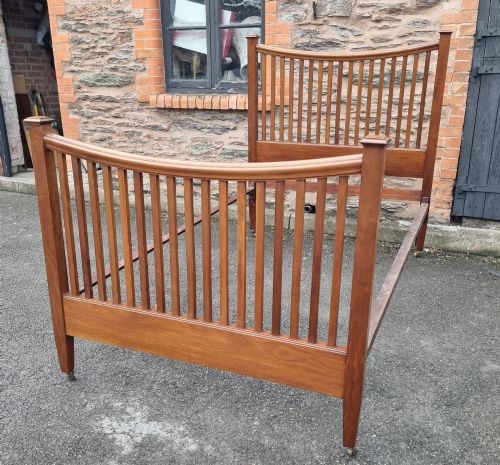
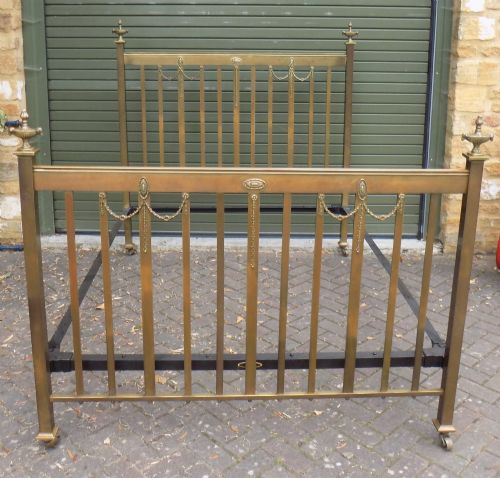
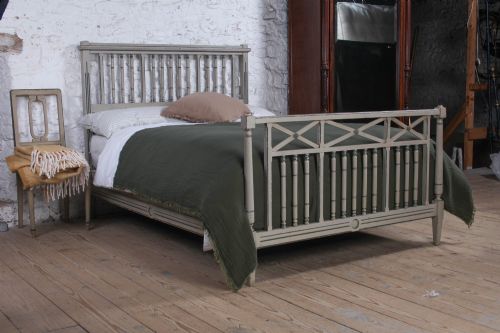




Period Double Bedstead
A period double bedstead offers the generous proportions required for daily use whilst anchoring a room in genuine historical character.
Period Double Bedstead
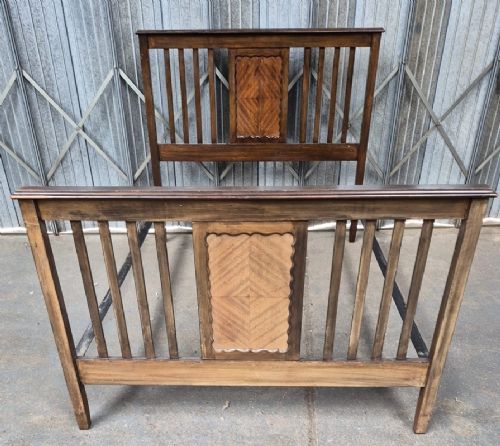
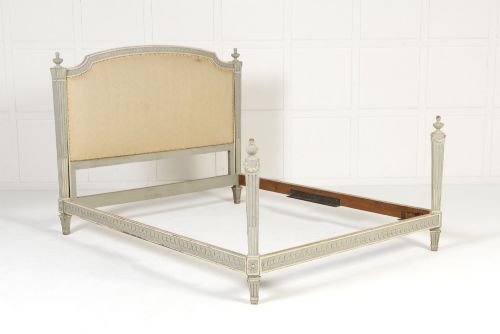
A period double bedstead provides a substantial sleeping platform rooted in centuries of domestic design. When you search for a period double bedstead, you encounter examples spanning from the seventeenth century through to the Edwardian era and the nineteen-thirties.
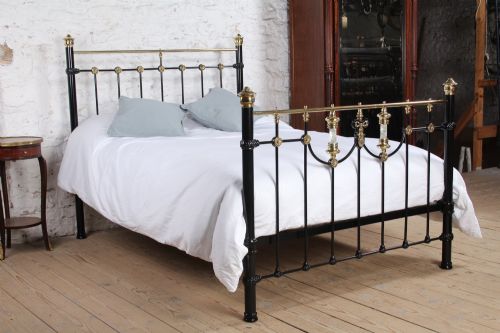
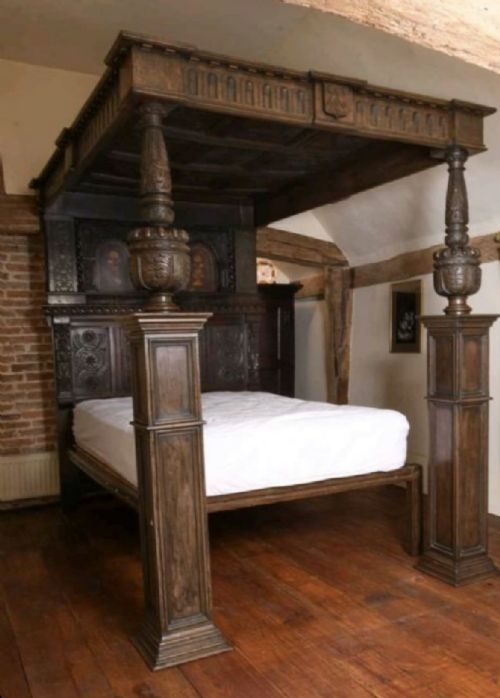
The pieces on this page lean heavily towards Victorian and Edwardian iterations alongside earlier oak four-poster frameworks. Metal variations combining brass and iron sit alongside timber versions rendered in mahogany, oak, and walnut.
How they were made
Makers constructed these bedsteads using heavy structural timbers like oak, mahogany, and walnut, frequently incorporating carved details or polished veneers. Metal frames combined cast and wrought iron with polished brass components, occasionally enhanced by decorative elements such as mother of pearl.
Joinery methods ranged from traditional pegged tenons on seventeenth-century tester beds to the robust mechanical assembly required for nineteenth-century iron and brass frames. Surface finishes included French polishing on hardwoods and painted treatments on French regional furniture.
Period Double Bedstead Retail Price Guide 2026
Typical asking prices for period double bedstead among the pieces listed under this phrase on Sellingantiques today, from the lower quarter to the upper quarter. They describe what is for sale here now, not the wider market.
Listings span from seventeenth-century oak tester beds to early twentieth-century iron and brass frames.
What varies in quality
Quality reveals itself in the integrity of the original joints, the depth of carving on wooden headboards, and the weight of the metal used in brass and iron frames. Superior pieces retain their original fittings and display crisp detailing without later structural modifications.
Material selection also dictates distinction, as seen in figured burr walnut veneers or the careful incorporation of decorative inlays. The proportion of the design and the balance between decorative metalwork and structural elements separate standard examples from finer commissions.
Stanley Webb Davies
The Period Double Bedstead Glossary
- Tester bed
- A bed featuring a wooden canopy or tester supported by posts above the sleeping platform. Seventeenth-century examples often display deep architectural carving along the frieze.
- Bedstead
- The framework of a bed, excluding the mattress and bedding. This structural skeleton supports the weight of the occupants and defines the stylistic period.
- Arts and Crafts
- A design movement prioritising traditional craftsmanship and honest materials. Pieces from this aesthetic often display simplified structural lines and visible construction details.
- French polish
- A shellac finish applied in multiple thin layers using a rubbing pad to achieve a high gloss. This technique highlights the natural grain of timbers like mahogany and walnut.
Period Double Bedstead: Frequently Asked Questions
Will a period double bedstead fit a standard mattress?
Many older bedsteads were built to dimensions that differ slightly from modern metric sizing. It is essential to check the internal dimensions of the frame before purchasing a mattress.
Some frames accommodate standard modern widths with minor adjustments to the supporting slats, whilst others require bespoke mattress commissioning to ensure a proper fit within the side rails.
How do I assemble an antique iron and brass bed?
Most metal bedsteads utilise a wedge and socket system where the side rails drop directly into the corner posts. Tapping the joints gently with a rubber mallet secures the frame without damaging the metal.
Wooden frames often rely on metal bed bolts that require a specific long spanner to tighten. Ensuring the side rails remain square prevents the mattress base from slipping.
What is the difference between a four poster and a standard bedstead?
A four-poster bed incorporates vertical corner posts that rise to support an overhead canopy structure known as a tester. These seventeenth-century pieces dominate a room through their architectural presence and heavy timber construction.
Standard bedsteads rely on a headboard and footboard connected by side rails without upper canopy elements. This open format suits rooms with lower ceilings whilst still offering period stylistic detail.
How do I care for polished wood on an antique bed?
Maintain polished timber surfaces by dusting regularly with a soft, dry cloth to prevent abrasive particle build-up. Avoid placing antique beds in direct sunlight or near heat sources to prevent the wood from drying and splitting.
Periodic application of a quality furniture wax nourishes the grain and maintains the protective sheen without creating a sticky residue. Keep metal components free from moisture to prevent tarnishing.