



Period Door Hardware Lock
Period door hardware lock pieces are sturdy brass, iron, and oak mechanisms built to secure rooms, combining functional security with historic style.
Period Door Hardware Lock
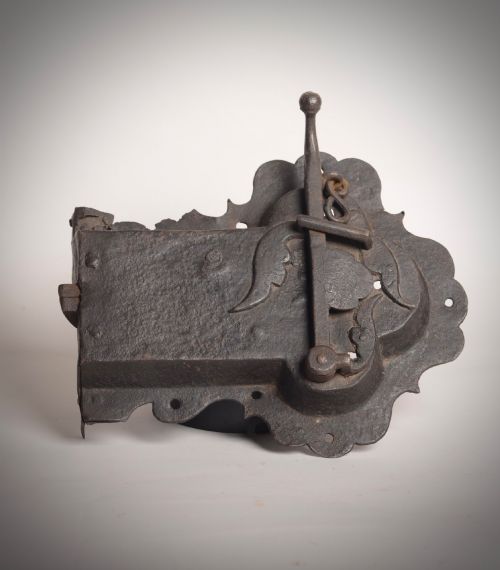
When you search for period door hardware lock, you are looking at architectural salvage and door hardware spanning the seventeenth century through to the Victorian era. These items include heavy rim locks, stock locks, and box locks designed to secure timber doors.
The versions you are most likely to meet on this page range from early seventeenth-century iron and oak examples to nineteenth-century cast and solid brass mechanisms. Each piece reflects the specific security needs and aesthetic tastes of its original period.
Materials and construction methods
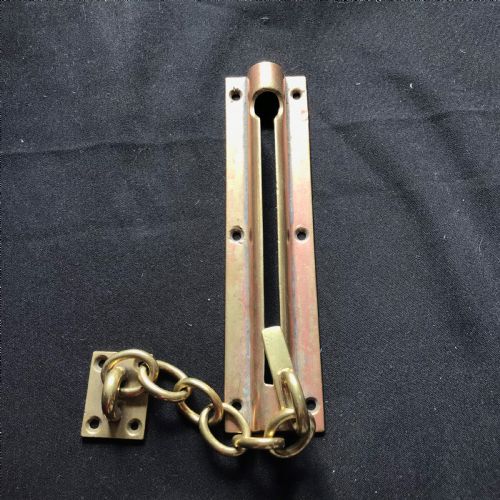
Makers constructed these locks using durable materials such as wrought iron, steel, bronze, and solid or cast brass, frequently mounted on robust oak cases. Metal components were forged or cast to withstand daily mechanical stress.
Details such as brass embellishments, polished steel accents, and fitted keys show the careful hand-finishing applied by period ironmongers and metalworkers.
Period Door Hardware Lock Retail Price Guide 2026
Typical asking prices for period door hardware lock among the pieces listed under this phrase on Sellingantiques today, from the lower quarter to the upper quarter. They describe what is for sale here now, not the wider market.
Some seventeenth-century bolts come with twin spring actions, proving that ancestors appreciated a satisfying click just as much as we do.
Distinctions in quality
Quality in these locks rests on the integrity of the internal mechanism and whether the original key and matching keeps survive with the lock. Plain utilitarian utility iron differs markedly from decorative brass items adorned with period embellishments.
The weight of the cast brass or wrought iron and the crispness of any decorative styling separate standard utility hardware from finer architectural pieces.
The Period Door Hardware Lock Glossary
- Rim lock
- A mechanical lock mounted onto the surface of a door rather than mortised into the edge. These units were widely used on timber doors from the seventeenth century onwards.
- Stock lock
- A heavy locking mechanism housed within a wooden block or case, typically made of oak. They represent traditional rural and domestic security methods.
- Box lock
- A self-contained locking unit enclosed in a metal or wooden box, often accompanied by matching keeps and brass decorations.
- Architectural salvage
- Building components rescued from older structures for reuse or collection. This category encompasses period door furniture and heavy locks.
- Keep
- The metal bracket or plate attached to the door frame into which the bolt of the lock extends when secured.
Period Door Hardware Lock: Frequently Asked Questions
What is a rim lock?
A rim lock is a security mechanism designed to be fixed directly to the surface of a door rather than being recessed inside it. These surface-mounted units were standard across many early buildings.
They usually operate with a matching key and slide a sturdy metal bolt into a corresponding keep mounted on the door frame.
How do I identify a Georgian lock?
Georgian locks often feature robust oak cases combined with steel box mechanisms and polished brass embellishments. They are built for durability and practical room security.
Examining the materials, such as heavy oak housing paired with forged steel components, helps distinguish them from later Victorian productions.
Are these old locks still working?
Many surviving period locks retain their original working internal springs, bolts, and accompanying keys. Salvaged mechanisms can often be operated just as they were centuries ago.
Working condition depends on the preservation of the internal components and whether the original key has survived with the lock.
What materials were used?
Period locks were constructed from a variety of durable metals and woods suited to heavy daily use. Common materials include wrought iron, cast brass, solid brass, steel, bronze, and oak.
Makers frequently combined these materials, mounting metal lock bodies onto sturdy wooden cases or adding brass embellishments to iron plates.