





Period Dog Painting
A period dog painting captures centuries of canine companionship in oil on canvas and painted wood.
Period Dog Painting
When you search for period dog painting, you encounter works spanning from the seventeenth century through to the Edwardian era. These pieces focus on oil on canvas and painted wood, recording dogs alongside their human companions or rendered as standalone subjects.
The selection here includes seventeenth century canvases from circles such as Mary Beale alongside Edwardian portraits by named artists. Canvases depict subjects like Louisa Cooke with Mr Quiz and boys with King Charles spaniels.
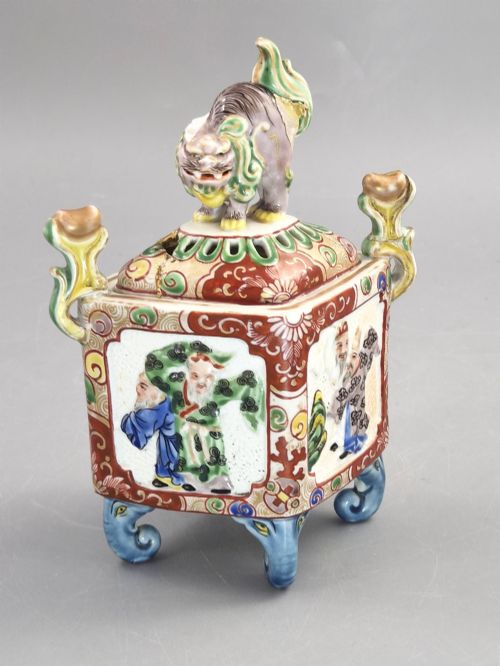
Alongside British oil paintings, the broader selection includes porcelain figures and decorative jars depicting canine motifs like Buddhistic lions and Karashishi finials. These diverse objects reflect how different periods rendered the animal form in paint and ceramic.
Materials and technique
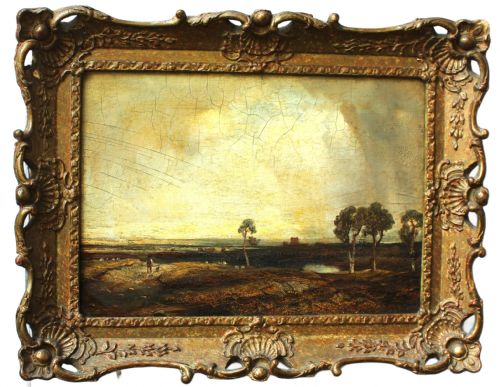
These works rely primarily on oil paints applied to stretched canvas surfaces, capturing fine details in fur and expression through layered pigments. Painters utilised traditional brushwork techniques to build depth in landscape backgrounds and character in portrait subjects.
Ceramic pieces in the selection involve porcelain bodies decorated with enamel and painted details, often finished with gilt touches or mounted in gesso and gold leaf frames. These varied material approaches demonstrate how period makers combined pigments, glaze and precious metals.
Period Dog Painting Retail Price Guide 2026
Typical asking prices for period dog painting among the pieces listed under this phrase on Sellingantiques today, from the lower quarter to the upper quarter. They describe what is for sale here now, not the wider market.
Listings span four centuries, featuring seventeenth century canvases alongside Edwardian oils and Meiji period porcelain.
What separates the work
Quality rests in the precision of the brushwork and the expressive rendering of the subject, distinguishing accomplished portraiture from simpler decorative output. Stronger canvases display careful attention to anatomy, lighting and texture in the animal coat.
The sophistication of the composition and the preservation of the original painted surface dictate the standing of each piece. Works associated with known circles or specific artists carry greater artistic weight than anonymous examples.
Mary Beale·J Cecil Bradshaw·Sydney Kendrick·John Constable
The Period Dog Painting Glossary
- Oil on canvas
- Pigments bound in a drying oil medium applied to a woven fabric support. This traditional technique allows for rich blending of colours and subtle tonal shifts.
- Circle of
- A designation used when a work is not by the master's own hand but closely follows their style and studio practice. It indicates an artist working in the immediate milieu of a known painter.
- Edwardian
- Pertaining to the reign of King Edward VII, spanning from nineteen hundred and one to nineteen hundred and ten. Pieces from this era often show softer palettes and relaxed portrait compositions.
- Enamel
- A decorative glass-like substance fused to a ceramic or metal base through firing. It provides vibrant, durable colour on porcelain vessels and figures.
- Gesso
- A plaster mixture applied to wood or canvas as a base for painting or gilding. It creates a smooth, absorbent surface for subsequent layers of gold leaf or pigment.
Period Dog Painting: Frequently Asked Questions
How do I date a dog painting?
Dating relies on the style of the clothing worn by human subjects, the stretcher construction of the canvas, and the framing materials. Pigment analysis and brushwork conventions also offer clues to the century of creation.
Comparative study with dated works by the same school helps narrow the production window further.
Are these paintings cleaned?
Many period canvases have undergone professional conservation to remove aged varnish and accumulated dirt. Gentle surface cleaning preserves the original pigment layers beneath.
Documentation often accompanies works that have received past restoration work.
Where were these portraits displayed?
Historical dog portraits hung primarily in country houses and town residences, often commissioned by owners to record prized pets or sporting companions. They formed part of broader portrait collections in drawing rooms and libraries.
Today, they suit domestic interior spaces seeking historic character.
What is a circle attribution?
A circle attribution denotes an artist working closely in the manner and workshop of a master painter. These makers absorbed the techniques and palette of the principal artist without producing the primary signed work.
Such attribution bridges anonymous pieces and fully documented masterworks.