

Period Cupboard
A period cupboard brings centuries of timber and craftsmanship into a room, offering practical storage wrapped in historic design.
Period Cupboard
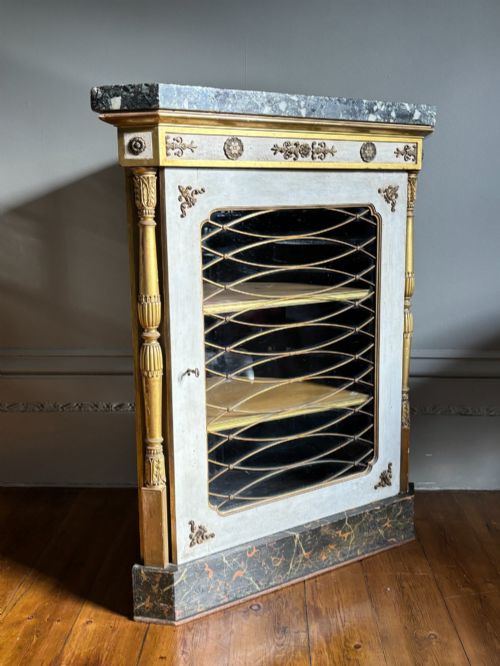
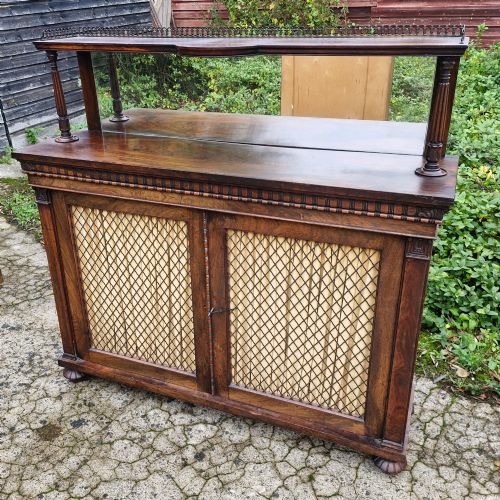
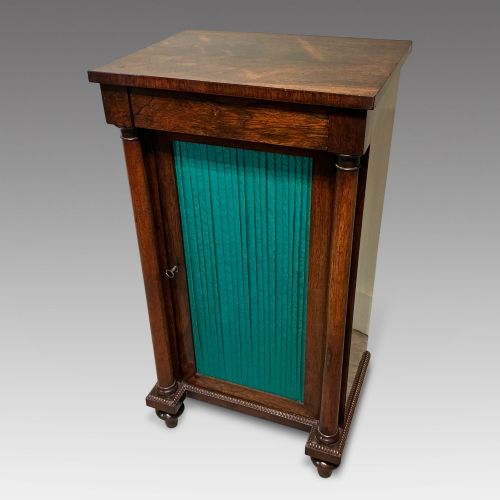
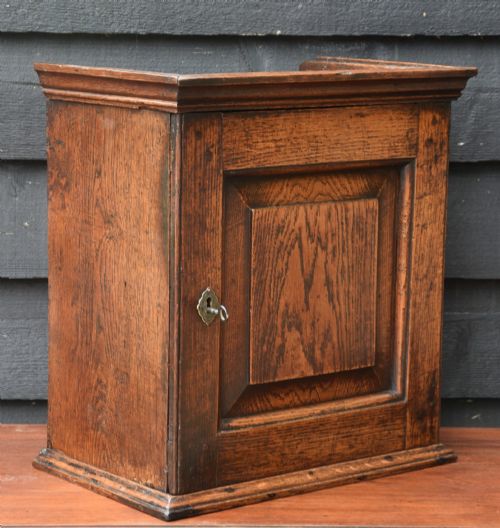
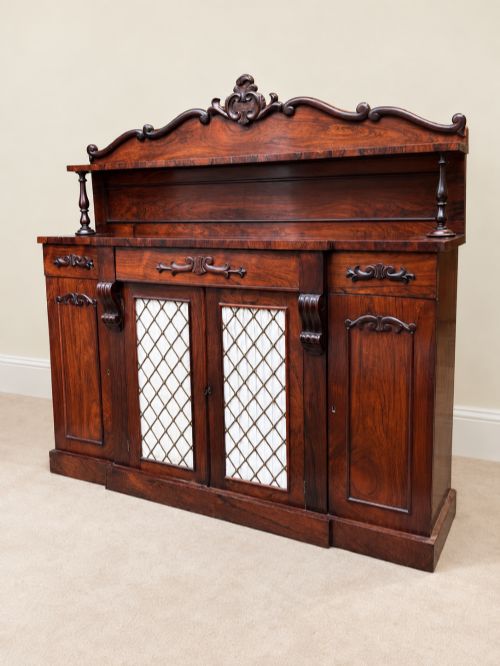
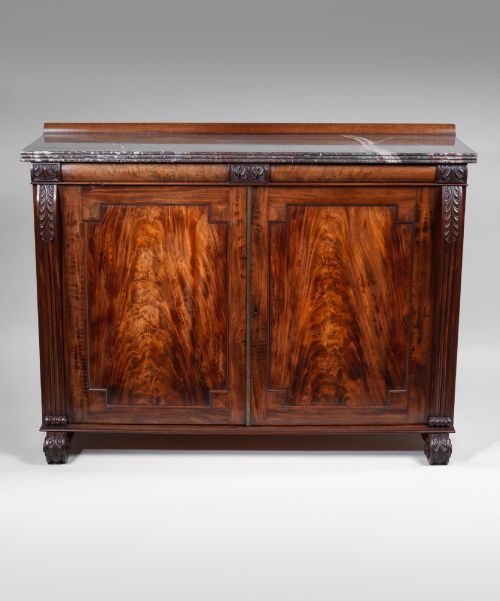
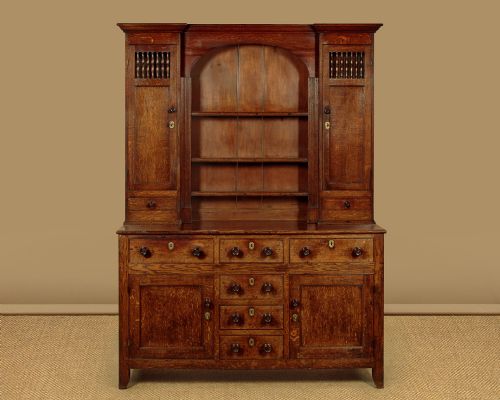
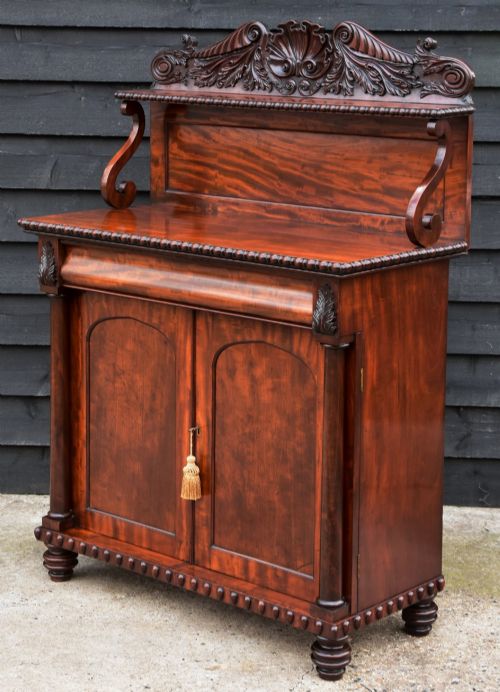
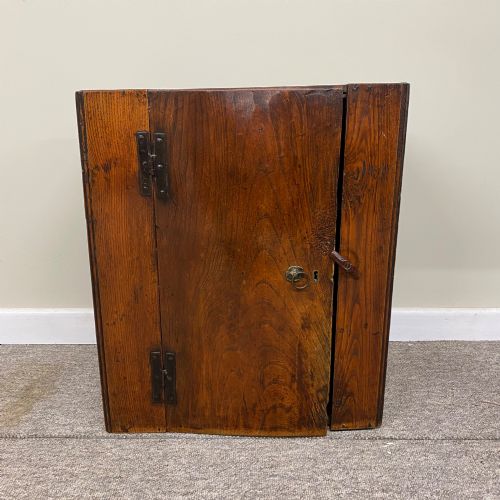
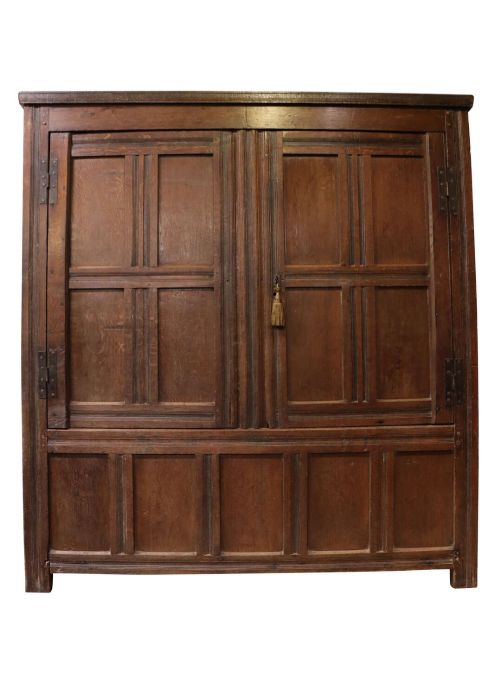
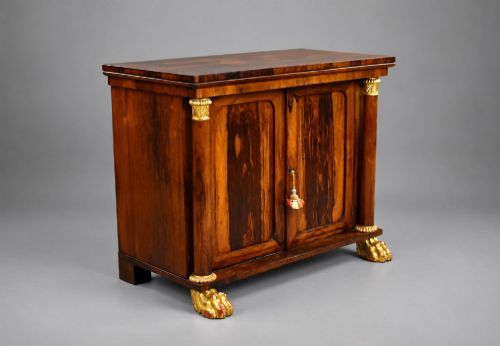
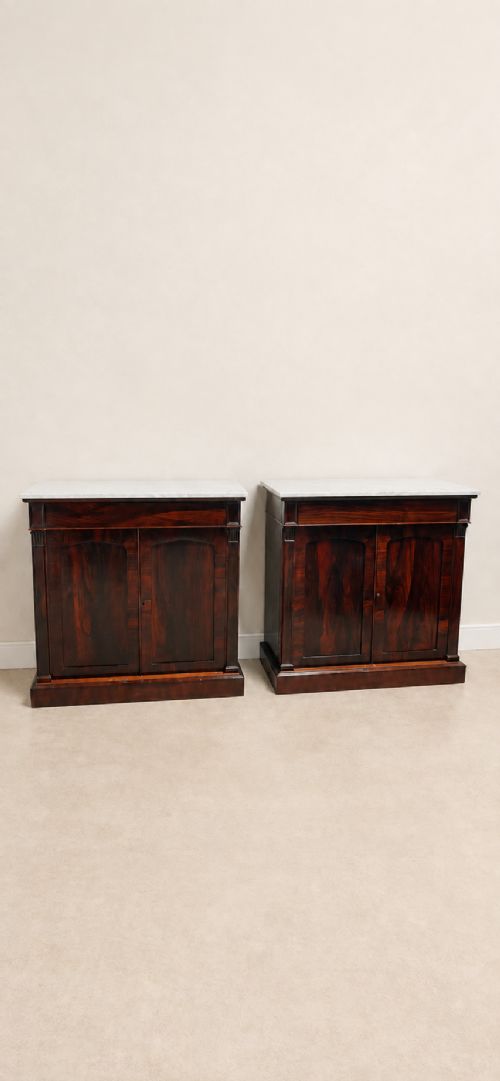
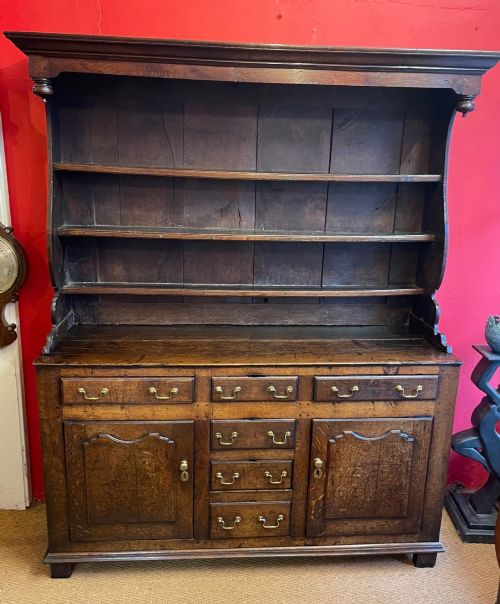
A period cupboard encompasses diverse forms designed for storage, from robust 17th century oak food hutches and court cupboards to refined Regency rosewood chiffoniers and Georgian corner cabinets. Buyers searching for a period cupboard encounter a timeline stretching across multiple centuries, reflecting evolving domestic needs and stylistic shifts.
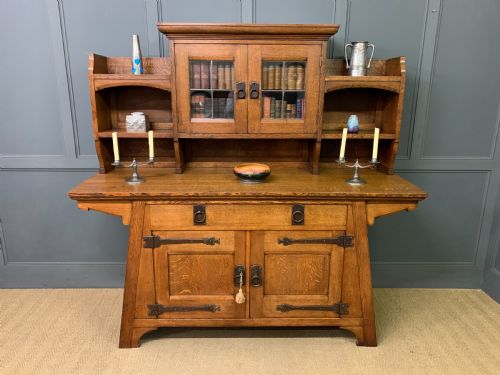
The pieces appearing most frequently range from sturdy oak country pieces, such as Welsh tridarns and spice cupboards, to polished mahogany and rosewood items made for formal town settings. These items include side cabinets, bookcases, and display units sharing enclosed shelving space.
Origins vary widely across English vernacular workshops, European cabinet-makers, and occasional international pieces like Japanese lacquered stands. Each example preserves the construction methods and aesthetic priorities of its specific decade or reign.
Materials and construction techniques
Timber selection dictated the character of each piece, with early items built from solid English oak and later examples utilising imported mahogany, rosewood, and walnut veneers. Cabinet-makers employed sturdy joinery such as panelled framing and dovetailing to ensure structural endurance.
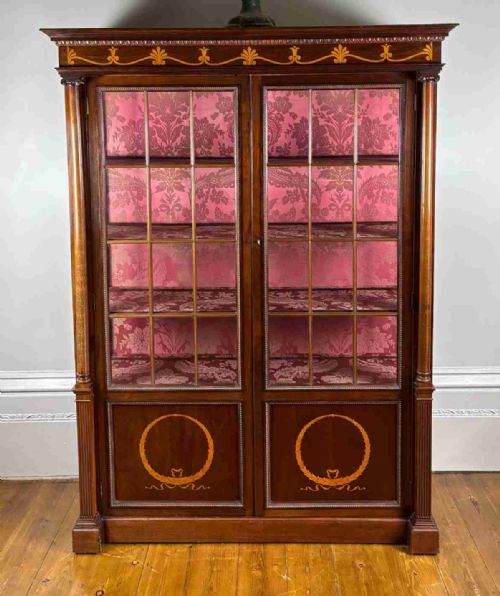
Surface ornamentation involved carving, marquetry, pewter inlay, and polished finishes that highlighted natural grain patterns. Silk panels, brass hardware, and glass doors frequently completed the detailing on refined Regency and Georgian pieces.
Period Cupboard Retail Price Guide 2026
Typical asking prices for period cupboard among the pieces listed under this phrase on Sellingantiques today, from the lower quarter to the upper quarter. They describe what is for sale here now, not the wider market.
Some early cupboards featured pierced panels specifically designed to let cheese breathe without inviting mice indoors.
Distinctions in craftsmanship
Superior execution shows in the selection of figured wood grains, the precision of carved details, and the integrity of original structural joints. Master makers achieved balance in proportions and harmony between timber and brass fittings.
Lesser examples display replacement hardware, compromised timber stability, or heavy later alterations that obscure the original period character. The depth of patination and the survival of original panel work distinguish exceptional workshop production from utilitarian output.
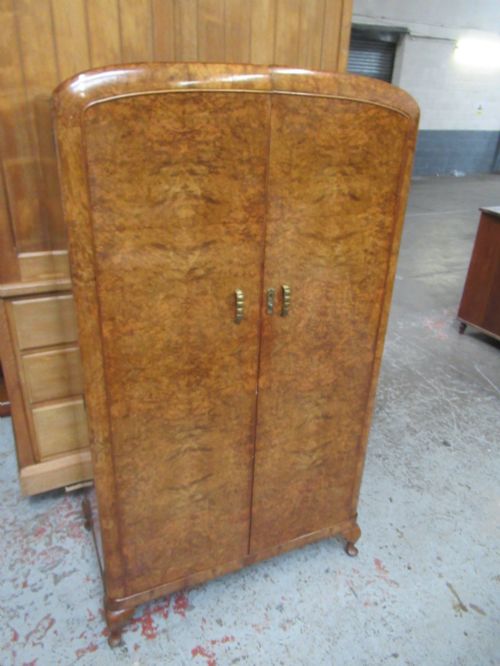
A Solomon·Harris Lebus
The Period Cupboard Glossary
- Chiffonier
- A low cabinet with shelves or drawers, popular during the Regency period for living rooms and dining spaces.
- Tridarn
- A traditional Welsh three-section cabinet combining open display racks and enclosed cupboards.
- Livery cupboard
- An early storage piece designed for food or clothing, featuring ventilated doors to keep contents fresh.
- Marquetry
- The art of applying decorative veneer pieces in wood, metal, or other materials to form geometric or floral patterns.
- Kneehole desk
- A compact desk or cabinet featuring a recessed central space for the legs beneath drawers or cupboards.
Period Cupboard: Frequently Asked Questions
What is a period cupboard?
A period cupboard is a historical storage item dating from centuries such as the 17th, 18th, or 19th. These items reflect the specific design styles and woodworking traditions of their eras.
They range from heavy oak vernacular furniture to elegant mahogany and rosewood pieces made for formal drawing rooms.
How do I date a cupboard?
Dating relies on examining the timber species, joinery methods, hardware, and decorative styles typical of known periods. Oak dominates earlier centuries, while mahogany and rosewood become prevalent during the Georgian and Regency eras.
Tool marks and construction techniques also provide clear indicators of when a workshop built the piece.
Where were these cupboards placed?
Earlier cupboards stood in halls, kitchens, and panelled rooms to hold food, textiles, or valuables. Later Georgian and Regency variants found places in dining rooms, libraries, and morning rooms as display spaces.
Corner cupboards specifically utilised awkward wall angles in smaller domestic chambers.
How do I care for antique timber?
Antique timber requires stable indoor humidity and protection from direct sunlight to prevent warping or fading of the wood. Regular dusting with a soft, dry cloth preserves the finish.
Applying traditional wax polish occasionally nourishes older surfaces without building up heavy chemical residues.