
Period Commode
A period commode offers grounded storage through centuries of craftsmanship, bringing architectural timber and polished brass into daily domestic spaces.
Period Commode
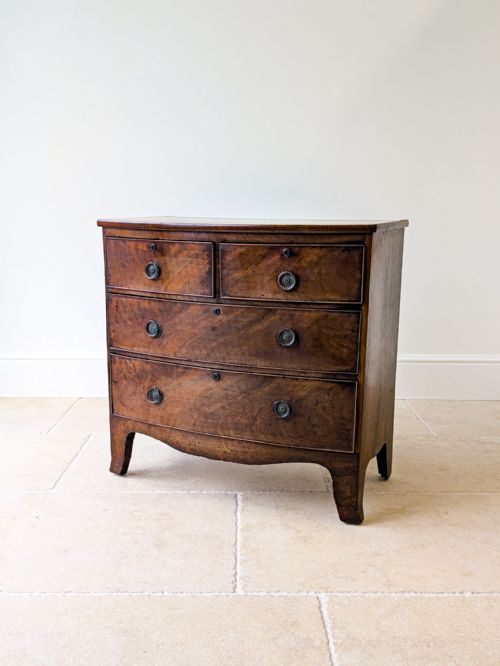
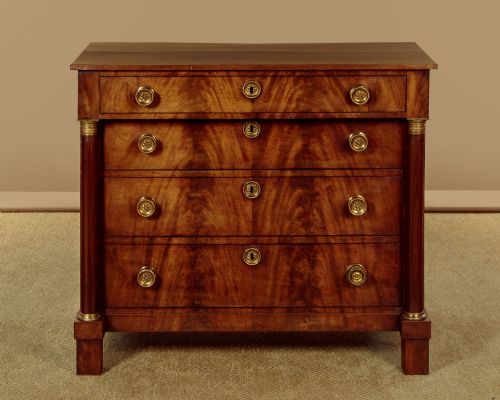
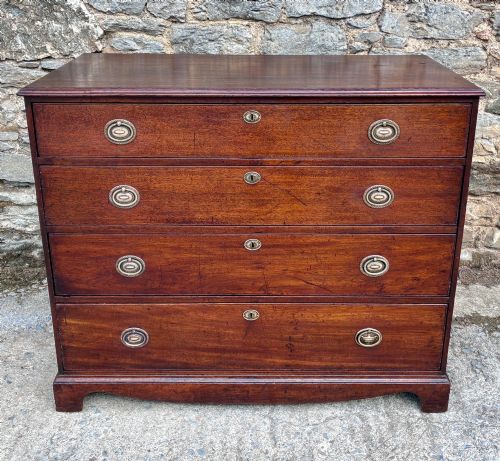
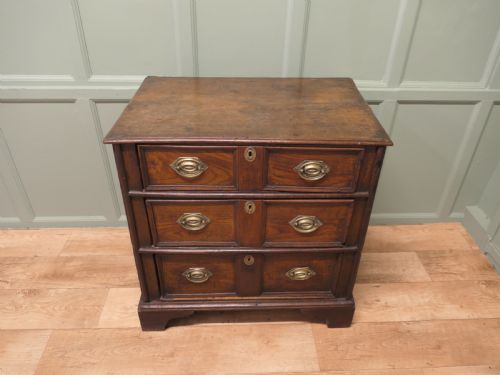
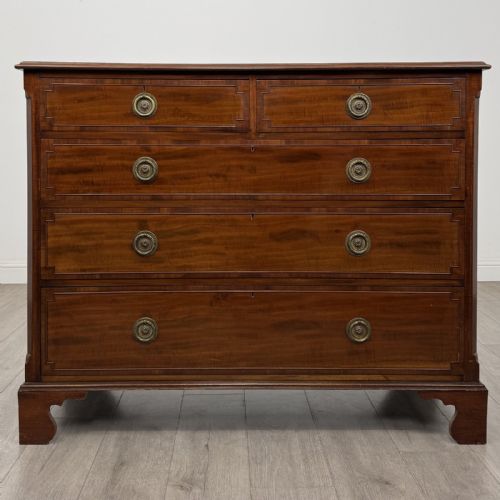
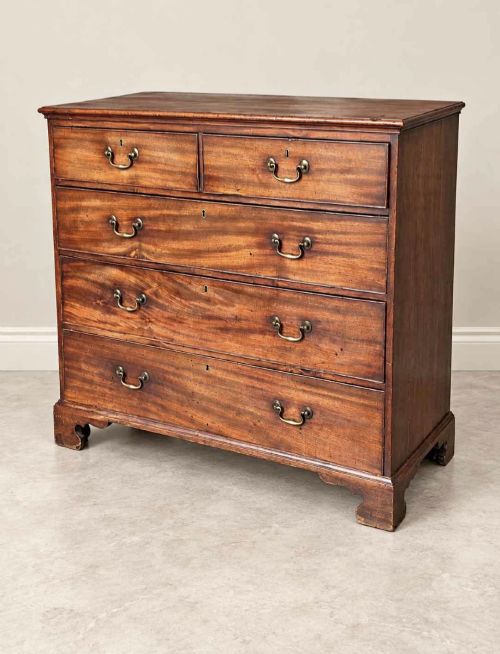
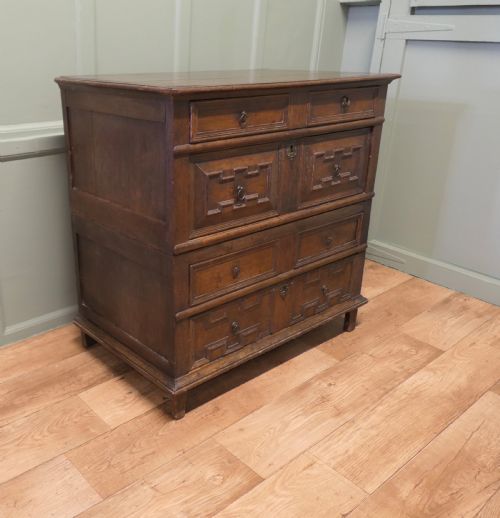
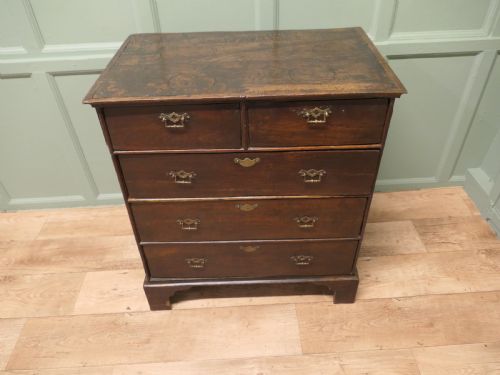
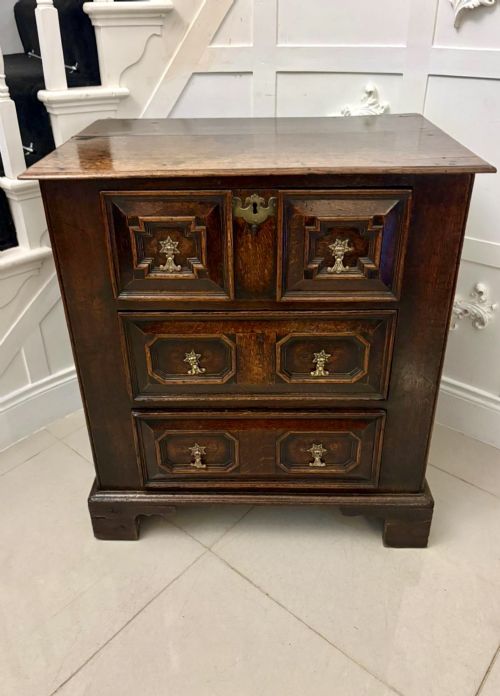
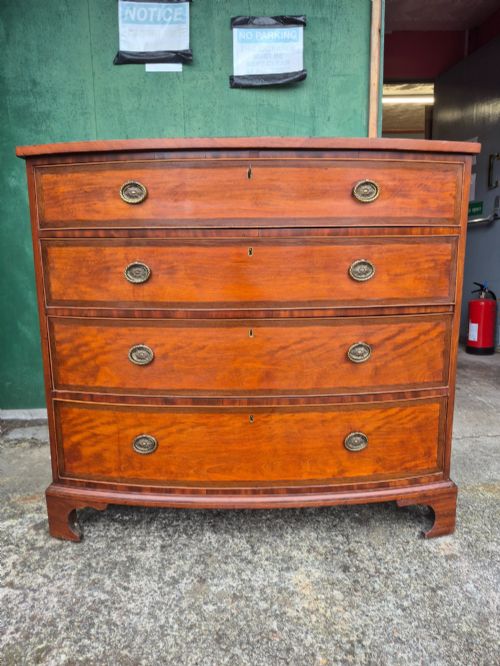
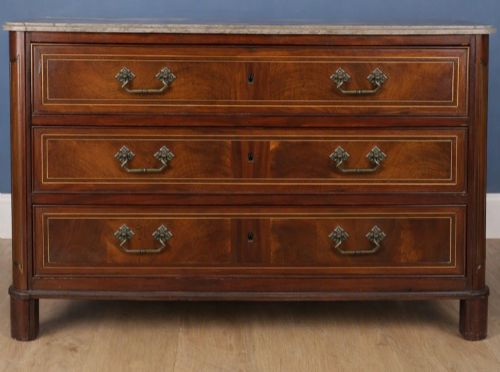
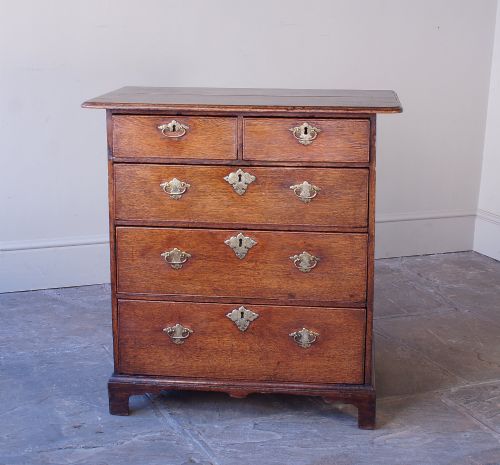
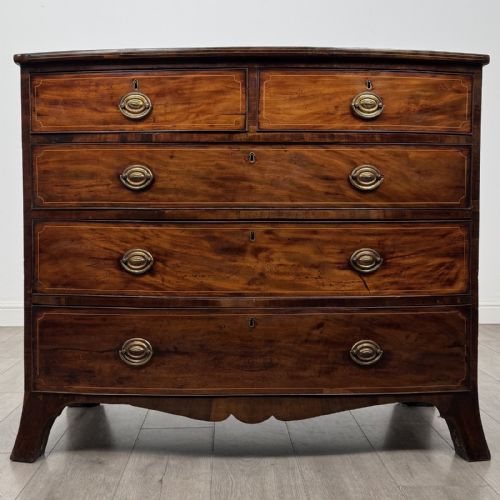
When searching for a period commode, buyers encounter case furniture designed for storage, primarily manifesting as timber chests of drawers from the seventeenth, eighteenth, and nineteenth centuries. These pieces span robust oak constructions from the Charles II and Jacobean eras to refined mahogany, walnut, and satinwood examples from the Georgian and Regency periods.
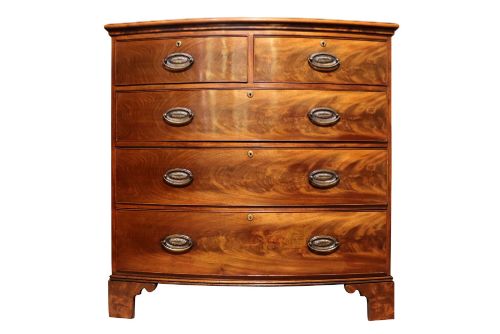
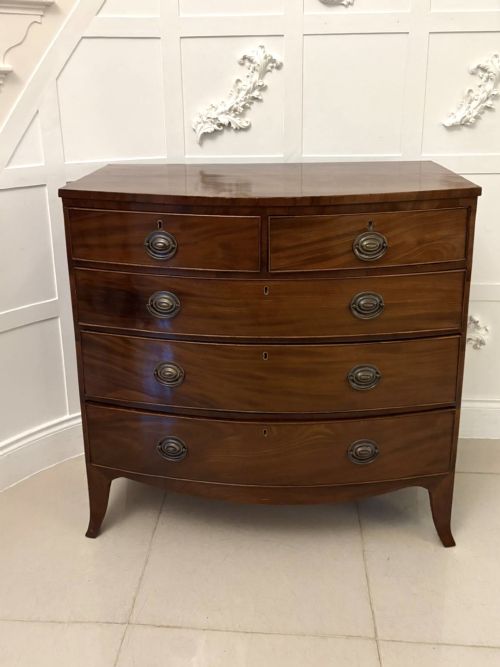
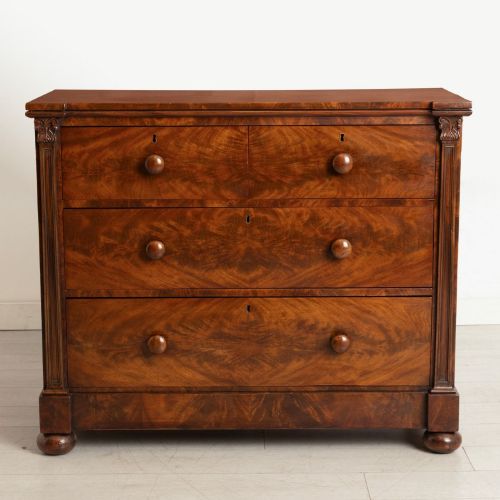
The listings here show that the most common forms are straightforward chests of drawers, alongside bow front designs, compact bedside tables, and occasional continental walnut or fruitwood commodes. English oak and mahogany dominate the inventory, reflecting the durable domestic timber choices of past centuries.
What separates the grades
Quality in these items rests upon the selection of timber, the crispness of the carving or inlay, and the integrity of the original construction. Pieces featuring highly figured veneers, such as oyster walnut or matched mahogany, demonstrate superior material choice by the original cabinet maker.
The proportion and scale of the piece, alongside uncompromised drawer linings and minimal timber replacement, dictate the standing of an item. Refined detailing like serpentine fronts or geometric mouldings elevates certain examples above standard utility furniture.
Materials represented across the inventory include eight distinct timbers, pairing utilitarian pine and elm with decorative satinwood and burr walnut.
The Period Commode Glossary
- Bow front
- A convex curved cabinet front that projects outward in the centre, popular during the Regency and Georgian periods. This shape requires skilled joinery to bend or shape the timber and veneers.
- Bracket foot
- A simple, stable foot shape resembling a bracket, often found supporting the corners of Georgian case furniture. These feet can be plain, ogee-moulded, or bracketed with internal blocks.
- Oyster veneer
- Slices cut transversely from small branches or roots to create circular or oval patterns resembling oyster shells. This decorative technique appears frequently on late seventeenth-century surfaces.
- Serpentine front
- A cabinet front featuring a concave centre flanked by convex outer curves, creating a flowing wave effect. It demands advanced woodworking skill and is typically seen on high-status eighteenth-century pieces.
- Escutcheon
- A protective plate surrounding the keyhole of a drawer or cabinet door, usually cast in brass. It prevents the timber around the lock from sustaining wear and tear through repeated use.
Period Commode: Frequently Asked Questions
How do I date an antique wooden chest?
Dating relies on examining the timber species, construction methods like dovetailing, and the style of the brass hardware. Secondary woods inside the drawers also offer clues to the period and region of manufacture.
Changes in furniture fashion through the seventeenth, eighteenth, and nineteenth centuries left distinct marks on proportions, mouldings, and foot styles, allowing specialists to place items within specific decades.
Where should I place a heavy oak chest?
These solid timber pieces require stable indoor environments away from direct heat sources and dramatic humidity fluctuations. Placing them against interior walls protects the old wood from warping.
Because seventeenth and eighteenth-century pieces often feature substantial oak or mahogany construction, positioning them on even floorboards ensures the drawers continue to run smoothly within their frames.
How do I maintain the surface finish?
Routine maintenance involves gentle dusting with a dry, soft cloth to prevent particulate build-up on the polished wood. Avoid modern silicone sprays or harsh chemical cleaners that can degrade antique wax or polish.
Occasional application of traditional beeswax helps nourish old timber surfaces like mahogany, walnut, and oak, preserving the natural lustre built up over generations.
What is the difference between a commode and a chest?
While modern usage often treats them interchangeably, period commodes frequently refer to continental European low cabinets with drawers or doors. English terminology often groups them broadly under chests of drawers.
Continental examples from France or Malta often incorporate distinct fruitwood, walnut, or olive wood timbers alongside serpentine or bombé profiles uncommon in standard English chests.