

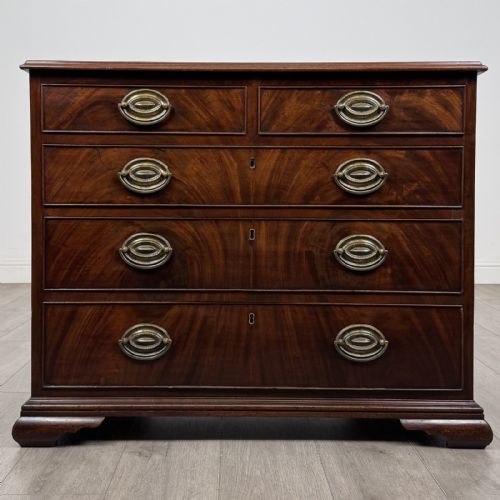
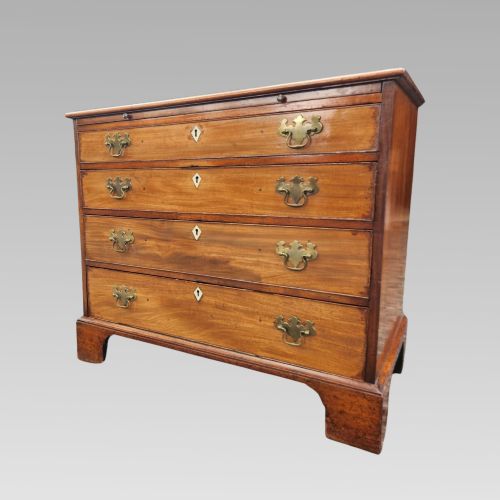
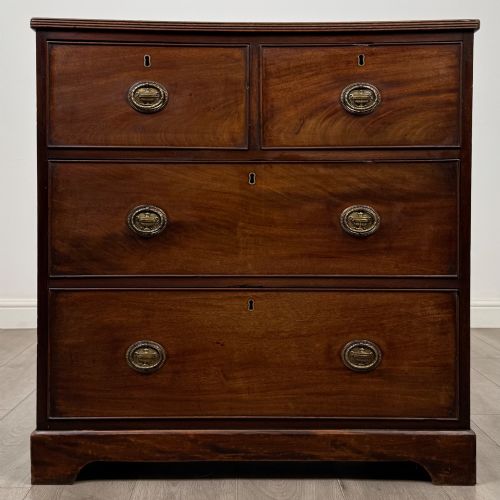

Period Commode Dresser
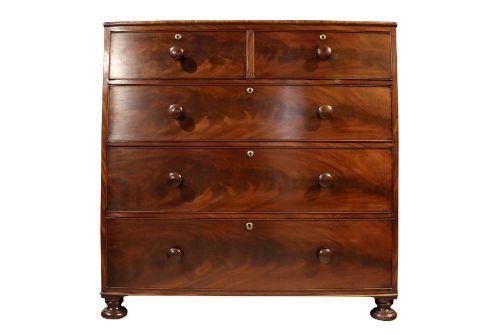
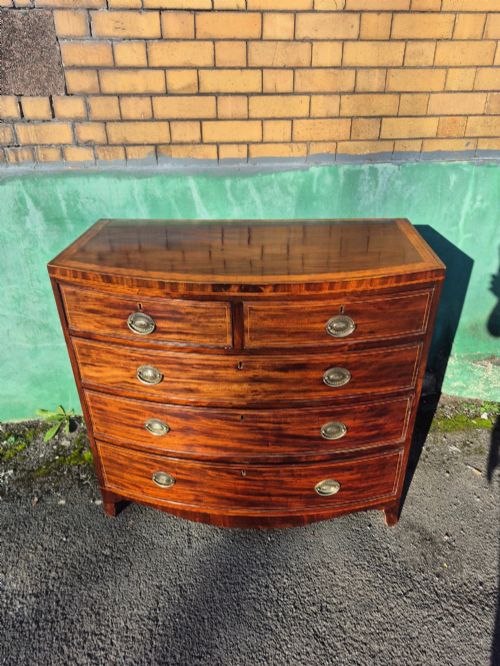
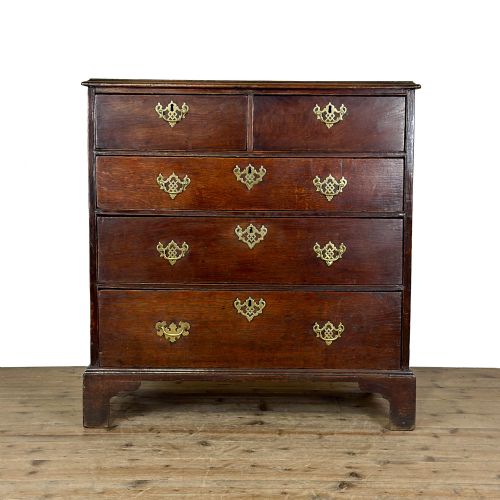
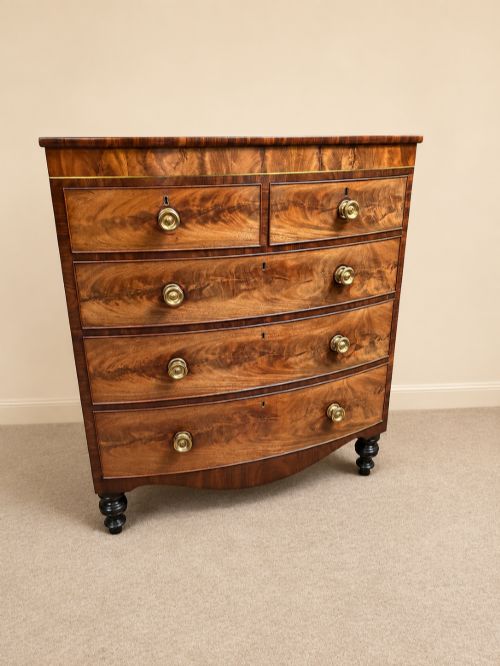
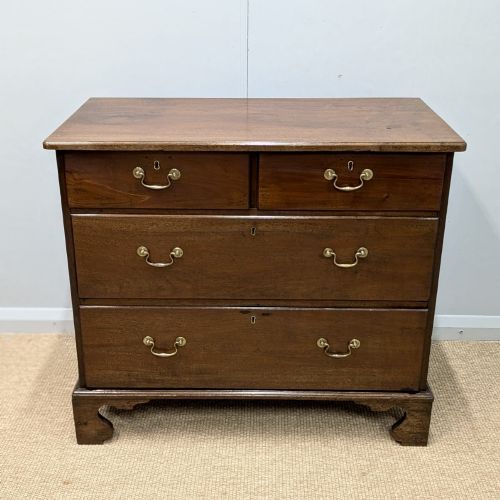
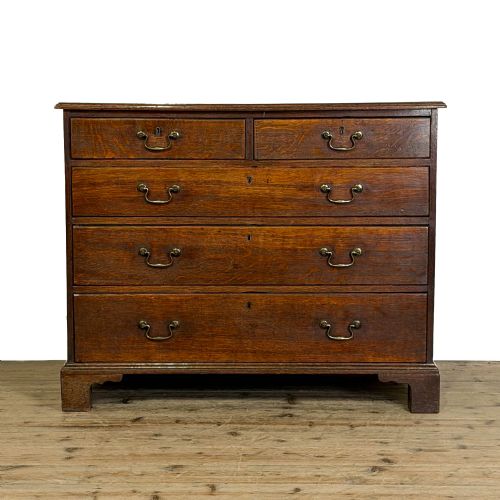
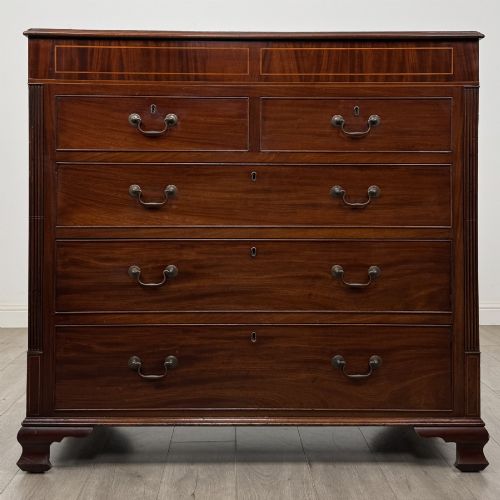
These period commode dresser items are substantial storage pieces in mahogany and oak that anchor a room with calm authority.
Period Commode Dresser
When buyers search for a period commode dresser, they encounter sturdy wooden storage chests spanning the seventeenth, eighteenth, and nineteenth centuries. These pieces function primarily as chests of drawers, offering deep storage capacity combined with formal proportion and traditional joinery.
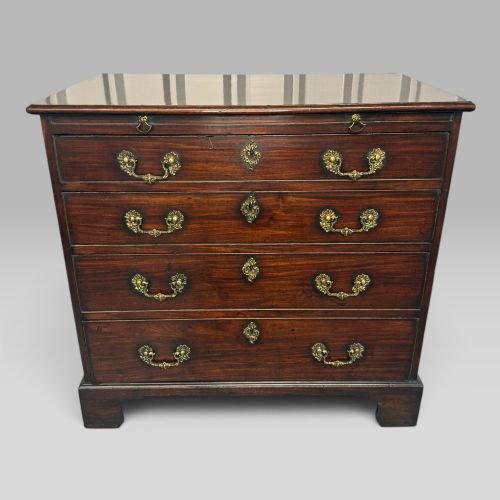
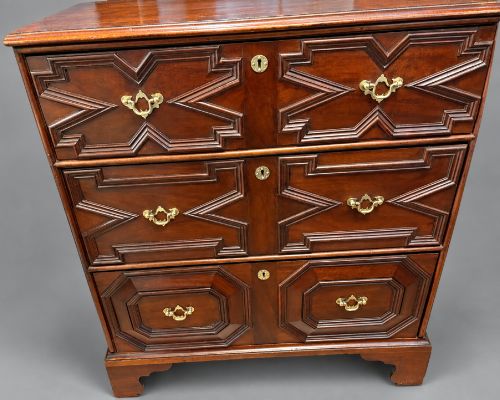
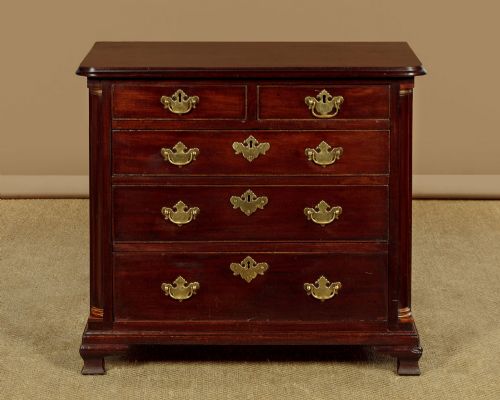
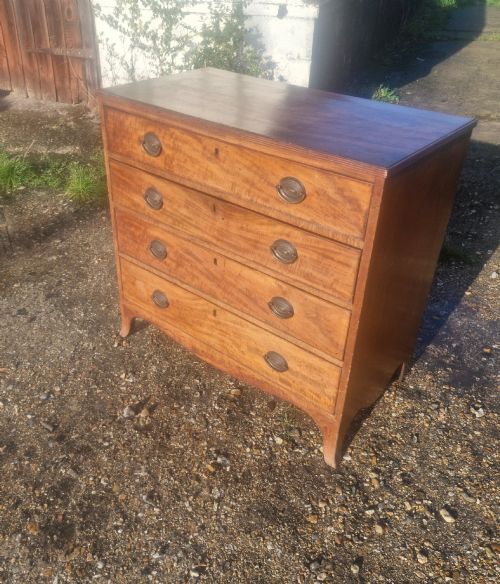
The pieces on this page lean heavily toward Georgian and Regency eras, alongside earlier seventeenth-century oak examples. Forms range from straight-fronted proportions to bow fronts, bachelors styles with sliding shelves, and compact country elm variants.
Materials and construction methods
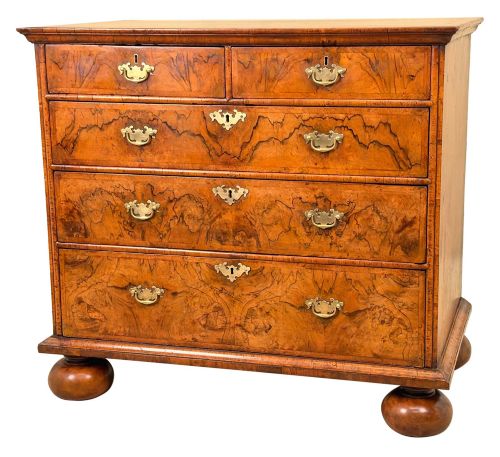
Cabinet makers utilised dense hardwoods like mahogany, oak, and walnut, frequently applying burr walnut or oyster veneers to primary display surfaces. Secondary timbers such as pine or elm appear in internal framing and drawer linings.
Construction relies on dovetailed drawer construction, pegged mortise and tenon joints in earlier oak pieces, and decorative brass handles or escutcheons. Inlays in satinwood or various contrasting woods finish the surface detailing.
Period Commode Dresser Retail Price Guide 2026
Typical asking prices for period commode dresser among the pieces listed under this phrase on Sellingantiques today, from the lower quarter to the upper quarter. They describe what is for sale here now, not the wider market.
Faux bamboo surfaces appear alongside traditional burr walnut, proving that historical makers also enjoyed playful experimentation.
Evaluating standard and distinction
Quality separates through timber selection, such as highly figured mahogany or intricate geometric oyster veneers, alongside the crispness of edge mouldings and bracket or ogee feet. Superior examples maintain original surface patination and unreplaced brass hardware.
Structural integrity in the drawer sides and framing dictates everyday utility, where smooth running drawers and tight joints separate master cabinet work from simpler provincial joinery.
The Period Commode Dresser Glossary
- Bowfront
- A front contour that curves outward in the centre, popular during the Regency and late Georgian periods. This shape softens the room and catches light across figured timber grains.
- Bracket foot
- A simple structural foot shape resembling a bracket, often supporting eighteenth-century chests. It lifts the carcass cleanly off the floor.
- Bachelors style
- A compact chest featuring a pull-out wooden slide above the drawers, originally intended as a writing surface. These pieces combine compact proportions with added utility.
- Oyster veneer
- Slices cut transversely from small branches to create circular ripple patterns, common in seventeenth-century pieces. It creates a distinctive patterned surface across the drawer fronts.
- Serpentine
- A rhythmic front edge curving inward centrally and outward at the ends. This sophisticated profile requires advanced woodworking skill.
Period Commode Dresser: Frequently Asked Questions
How do I date an oak chest?
Earlier pieces from the seventeenth century utilise pegged joinery, heavy oak timber, and geometric mouldings on drawer fronts. Hand-riven boards and simpler plank construction often point toward country workshops of that era.
Later eighteenth-century examples adopt softer internal timbers like pine while refining the exterior drawer proportions and incorporating more sophisticated brass hardware.
What is a bachelors chest?
A bachelors chest is a smaller storage unit equipped with a pull-out wooden slide directly beneath the top surface. This slide served as a writing desk or temporary shelf in smaller bedchambers.
They offer versatile placement in modern homes where full-sized desks do not fit comfortably.
Where should I place a mahogany commode?
Mahogany chests suit living rooms, hallways, and bedrooms alike, acting as focal points that balance heavy textiles and upholstered seating. Their rich dark tones anchor lighter wall colours effectively.
Keep them away from direct sunlight and strong heat sources to protect the polished wood surfaces.
How do I maintain antique drawer wood?
Apply traditional beeswax sparingly to nourish the timber and maintain a soft natural lustre without creating a heavy buildup. Avoid modern silicone polishes that penetrate the old finish.
Maintain stable room humidity to prevent the solid mahogany or oak timbers from splitting during seasonal shifts.