



Period Column Lamps
Period column lamps combine structural weight and classical proportion, bringing vertical presence and warm illumination to any traditional interior scheme.
Period Column Lamps
When you search for period column lamps, you encounter a selection spanning the Regency, Victorian, and wider nineteenth-century eras, featuring distinct vertical supports. These pieces often originate from conversions of earlier oil or candle lighting forms into electrical fittings.
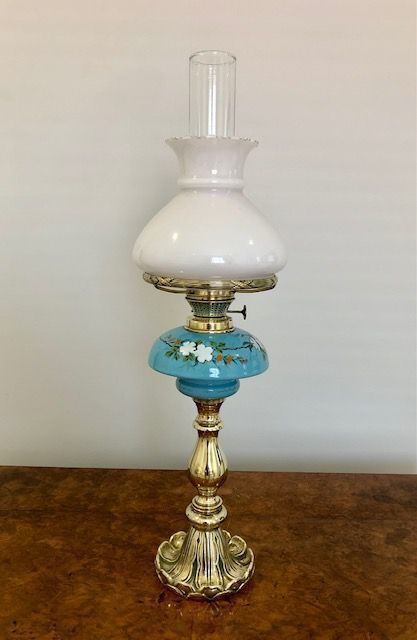
The objects listed on this page combine functional illumination with architectural forms, drawing on classic column designs executed in brass, bronze, and wood. Makers of these pieces utilised materials such as opaline glass and faux lapis lazuli to enhance their decorative appeal.
You are most likely to meet Victorian brass oil lamps and monumental nineteenth-century bronze examples among these listings, alongside candle lamps adorned with specific shades like griffins. These items function primarily as table lamps and decorative objects within period rooms.
How they were made
Makers constructed these column lamps using cast and turned metals, prominently featuring brass and gilt bronze to form the vertical shafts and bases. Some examples incorporate contrasting columns made from faux lapis lazuli, adding rich colour and texture to the metallic framework.
Illumination hardware historically accommodated burning oils or candles before later adaptations converted the fittings for electricity. Shade components frequently employed opaline glass, diffusing light evenly across the room.
Period Column Lamps Retail Price Guide 2026
Typical asking prices for period column lamps among the pieces listed under this phrase on Sellingantiques today, from the lower quarter to the upper quarter. They describe what is for sale here now, not the wider market.
Victorian candle lamps occasionally sport griffin shades, proving that mythical beasts make surprisingly stern guardians for your bedside reading.
What varies in quality
The distinction between standard and superior pieces rests upon the crispness of the casting work and the richness of the metal patination. Finer examples display meticulous attention to classical proportions and utilise more exotic decorative inserts like faux lapis lazuli.
The integrity of the original column structure and the quality of any associated glass shades determine the overall distinction of the lamp. Conversion standard from oil or candle to electric also influences the desirability of each individual piece.
The Period Column Lamps Glossary
- Column lamp
- A lighting fixture shaped like a classical architectural column, supporting a lamp fitting upon its shaft. These pieces draw design inspiration from ancient Greek and Roman orders.
- Oil lamp
- A lighting vessel designed to burn liquid fuel through a wick, frequently converted into an electric table lamp in later periods. Brass served as a primary material for these functional objects.
- Opaline glass
- A milky, translucent glass often tinted in pastel shades and utilised for lamp shades to soften illumination. This material gained widespread popularity during the nineteenth century.
- Gilt bronze
- Bronze metal treated with a thin layer of gold or gold-coloured alloy to impart a brilliant metallic finish. This technique highlights decorative details on larger nineteenth-century lighting.
Period Column Lamps: Frequently Asked Questions
What periods do these lamps represent?
The selection spans the Regency, Victorian, and wider nineteenth-century eras, reflecting the shifting tastes in interior decoration and architectural revivalism over those decades.
These periods brought distinct variations in metalwork techniques and material combinations, from simple brass columns to elaborate gilt bronze and faux lapis lazuli shafts.
Were all of these originally electric?
None of these pieces were originally electric, as electricity was adopted for domestic lighting much later than their initial manufacture dates in the eighteenth and nineteenth centuries.
Many started life as oil lamps or candle lamps before undergoing later conversion to safely accommodate modern electrical wiring and bulbs.
How do I style a column lamp?
These lamps suit placement on side tables, occasional tables, or central surfaces where their vertical form provides both height and focused illumination.
Their architectural silhouettes complement traditional period rooms, sitting comfortably alongside timber furniture such as mahogany, rosewood, and oak.
What materials are most common?
Brass and bronze dominate the construction of the columns, providing the structural weight and metallic sheen characteristic of the style.
Glass also plays a key role, particularly in the opaline shades used to diffuse light, alongside occasional decorative inserts of faux lapis lazuli.