


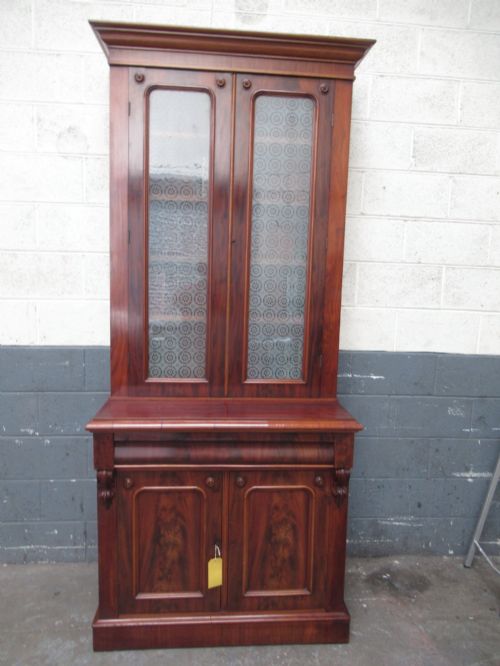


Period China Cabinet
A period china cabinet brings together timber and glass to display fine porcelain behind glazed doors.
Period China Cabinet
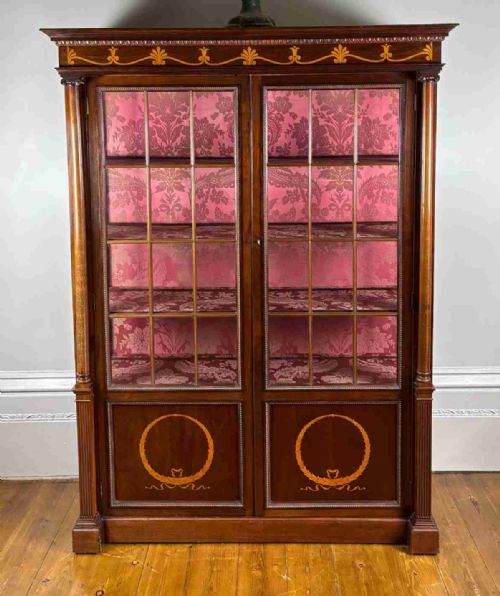
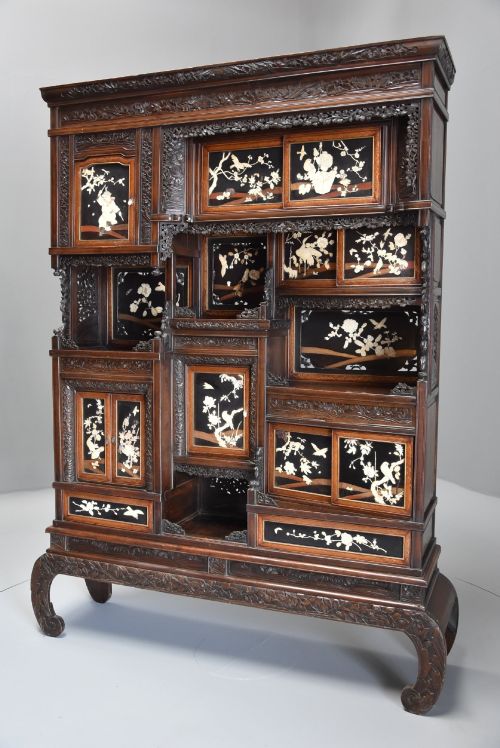
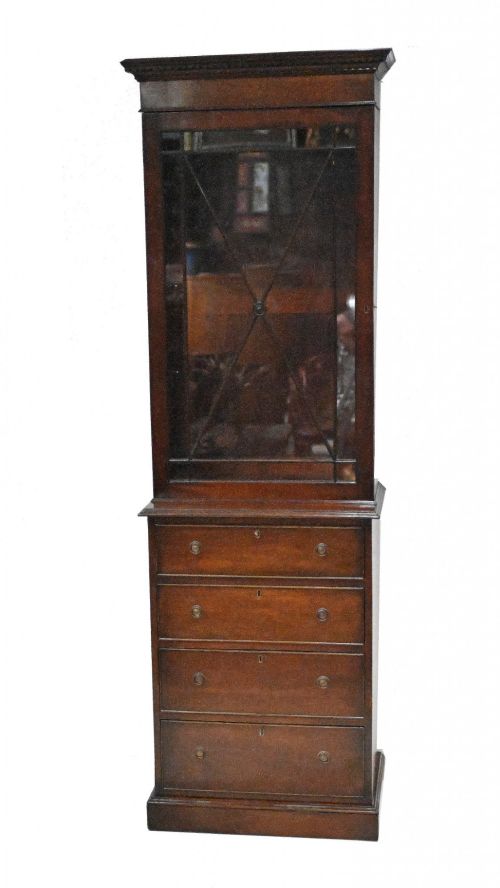
A period china cabinet bridges the storage of precious ceramics and the exhibition of decorative plates, cups and figures. When searching for a period china cabinet, buyers encounter substantial mahogany or rosewood furniture alongside glazed bookcases and smaller cabinets on stands.
The pieces span from the eighteenth century into the early twentieth century, taking in Georgian, Regency, Victorian and Edwardian aesthetics. Alongside large freestanding bookcases with glass doors, the selections include corner cabinets and marquetry display pieces.
Makers and workshops constructed these items using materials such as mahogany, rosewood and harewood, frequently incorporating brass inlay or gilt details. The internal shelving and glass panes served to protect delicate porcelain services while keeping them visible in principal rooms.
Materials and Construction Methods
Cabinet makers relied heavily on timber frames of mahogany, rosewood and harewood to build the structural carcass of each display case. Carpenters incorporated glazed doors using timber astragals to hold individual panes of glass securely in position.
Details often included cast brass mounts, delicate stringing, gold leaf and marquetry work to embellish the exterior surfaces. Interior shelves were typically timber, sometimes stepped or arranged behind curved bow fronts to maximise the display area.
The integration of porcelain components appears in specialised hardware such as gilded brass and china door handles. Joinery techniques from the Georgian and Victorian eras ensured rigid housing for heavy glass doors and tiered shelving.
Period China Cabinet Retail Price Guide 2026
Typical asking prices for period china cabinet among the pieces listed under this phrase on Sellingantiques today, from the lower quarter to the upper quarter. They describe what is for sale here now, not the wider market.
Some nineteenth century items push coordination to extremes by attaching painted china door handles directly to the cabinet housing your porcelain.
Evaluating Cabinet Construction and Finish
The standard of a cabinet rests on the selection of timber grains, such as figured mahogany or rich rosewood, and the precision of the joinery in the door frames. Superior examples display crisp brass inlay, balanced proportions and original glass panes without distortion.
Surface finish dictates much of the visual appeal, separating standard utility pieces from items produced by skilled cabinet makers. Patina developed over generations through natural polishing indicates a well-preserved exterior that retains its original character.
Duesbury & Kean·Spode·H & R Daniel·Coalport John Rose·Minton·Flight Barr & Barr·Chamberlain Worcester
The Period China Cabinet Glossary
- Astragal
- A small moulded bar or strip of wood used to hold panes of glass within a glazed cabinet door. These dividers form geometric patterns across the front of the display case.
- Breakfront
- A large cabinet design where the central section projects forward from the flanking wings. This architectural form creates depth and visual balance in formal room settings.
- Bow front
- A cabinet front that curves outward in a convex sweep. This shaping requires skilled carpentry to bend timber and fit curved glass panels.
- Marquetry
- Decorative veneer work created by fitting small pieces of contrasting wood and other materials into patterns. It adorns the exterior surfaces of select display furniture.
- Cabinet plate
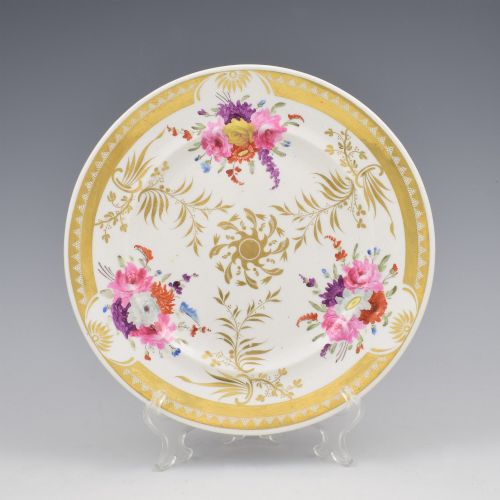
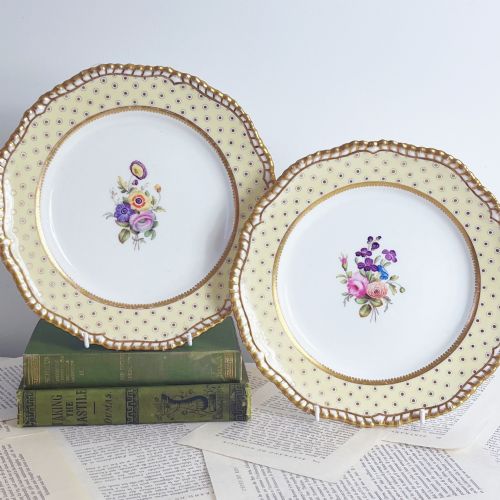
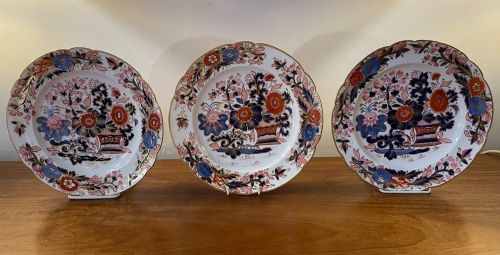
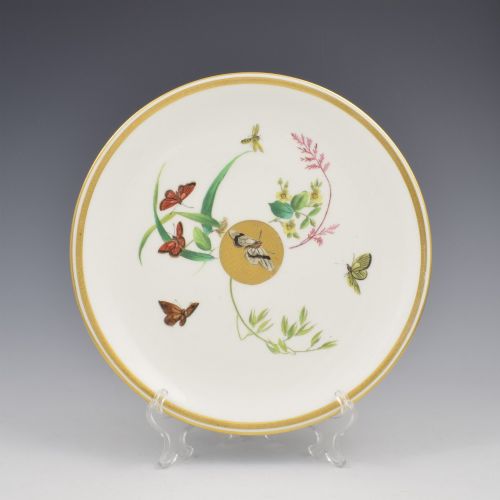
- A decorative ceramic plate intended for display on a stand or within a cabinet rather than for dining use. These pieces often feature handpainted topographical scenes or armorial crests.
Period China Cabinet: Frequently Asked Questions
What is a period china cabinet used for?
These cabinets were designed to showcase valuable porcelain sets, decorative plates and glassware behind protective glass doors. They allowed households to exhibit their finest dining wares in reception rooms while keeping dust away.
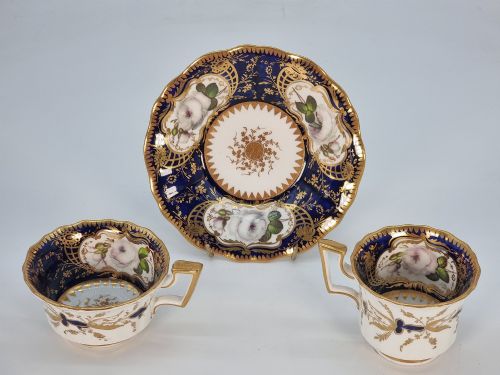
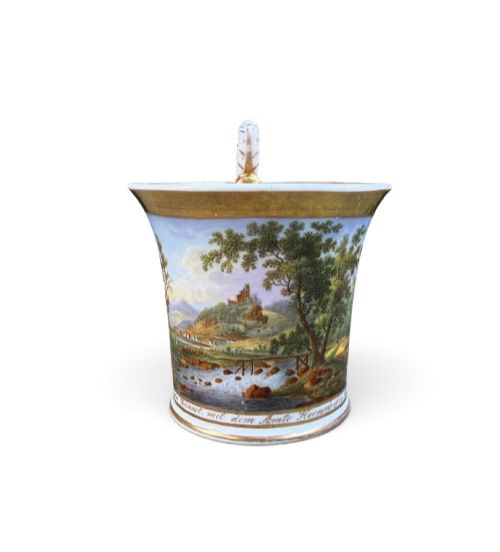
Over time, collectors utilised them to house cabinet cups, saucers and ceramic figures where visitors could admire them safely.
How do I date a mahogany display cabinet?
Dating relies on observing the overall style, such as Georgian proportions, Regency brass inlay or Edwardian glazing bars. Cabinet construction methods, including drawer dovetailing and backboard fixings, also provide clear indicators of age.
Matching the timber species and decorative motifs like marquetry or astragals to known periods helps narrow down the decade of manufacture.
Where should I place a glazed cabinet?
A glazed cabinet sits best in a dining room, drawing room or hallway where natural light highlights the interior display. Positioning the piece away from direct sunlight protects both the timber finish and any porcelain displayed inside.
Ensure the floor is level so the heavy glass doors hang correctly and open without binding against the frame.
How do I care for antique wood and glass?
Maintain the timber surfaces using traditional beeswax applied sparingly with a soft cloth to nourish the grain. Avoid modern liquid polishes that can build up a cloudy residue on antique finishes.
Clean the glass panes gently with a microfiber cloth and a mild solution, taking care not to let moisture seep into the timber joints or astragals.