

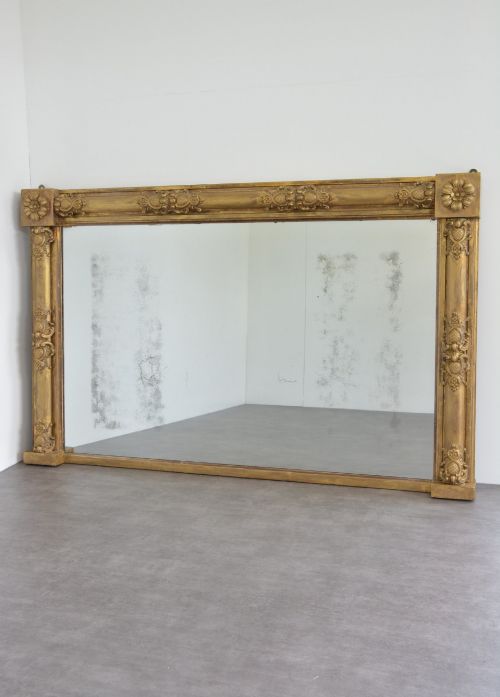


Period Chimney Mirror
A period chimney mirror anchors a room above the hearth with a sweeping expanse of glass and a gilded or wooden frame designed to catch the firelight.
Period Chimney Mirror
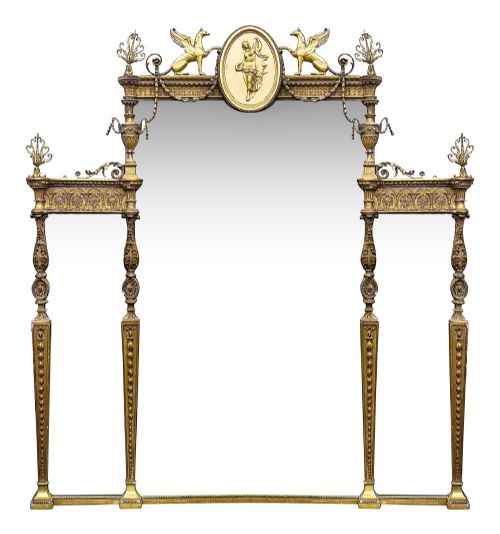
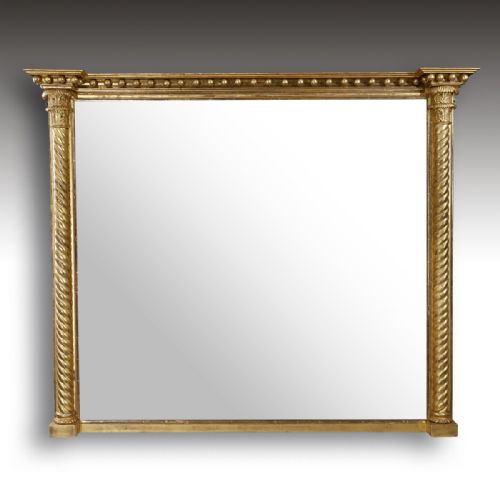
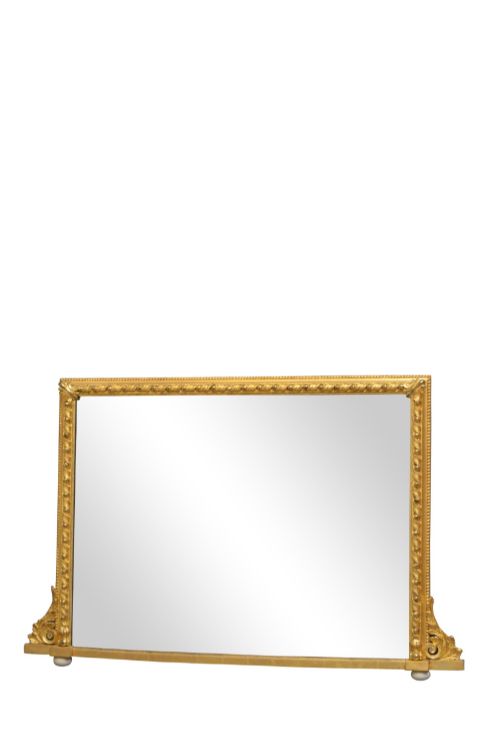
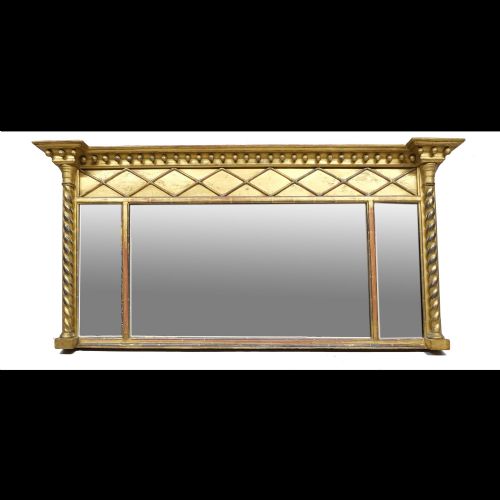
When you search for period chimney mirror, you encounter wide overmantel and wall mirrors designed specifically to sit above a fireplace opening. The pieces listed here span the nineteenth century, taking the form of overmantel mirrors in Regency, Victorian, and Edwardian styles.
You are most likely to meet rectangular formats framed in giltwood, gesso, or rosewood, often featuring original foxed glass or mercury glass. These large mirrors were built to reflect the light and proportions of period drawing rooms and parlours.
How they were made
Frames are constructed from carved wood, rosewood, walnut, or ebonised wood, frequently finished with gesso and giltwood to create a reflective surface for gold leaf. Composition ornament is applied to wooden bases for crisp architectural detailing such as acanthus columns and ribbed mouldings.
The glazing relies on antique mirror glass, including mercury glass and original foxed glass that shows distinct age spots and dark patches within the silvering. These materials combine to give each overmantel its substantial weight and characteristic depth.
Period Chimney Mirror Retail Price Guide 2026
Typical asking prices for period chimney mirror among the pieces listed under this phrase on Sellingantiques today, from the lower quarter to the upper quarter. They describe what is for sale here now, not the wider market.
Every foxed mirror plate holds a century of vanished roomscapes in its clouded silver.
What varies in quality
Quality rests in the crispness of the carved or moulded ornamentation on the frame and the integrity of the original gilding. Finer pieces retain their hand-applied gold leaf and deep relief mouldings without heavy flaking or clumsy later repairs.
The character of the glass plates also distinguishes better examples, where original mercury or foxed mirror plates show even oxidation rather than crude modern replacements. Proportions matter greatly, with superior mirrors maintaining a balanced width suited to period chimney breasts.
The Period Chimney Mirror Glossary
- Overmantel mirror
- A large mirror specifically designed to hang or rest on the mantelpiece above a fireplace. These horizontal pieces were proportioned to fill the wall space beneath the cornice and above the fire surround.
- Giltwood
- Timber, commonly carved pine or gesso-coated wood, covered with thin sheets of gold leaf. This finish provided a brilliant reflection of candlelight and firelight in period rooms.
- Foxed glass
- Mirror glass that has developed spots, discoloration, or cloudy patches as the backing degrades over time. Collectors prize this natural ageing for the soft, mottled reflection it produces.
- Mercury glass
- An early nineteenth-century double-walled glass blown with a silvering mixture poured between the layers. It yields a distinctive, dark, and heavy reflective quality.
- Gesso
- A plaster-like mixture of chalk and binder applied to wooden frames to form a smooth base for gilding or to be carved directly into relief ornaments.
Period Chimney Mirror: Frequently Asked Questions
Where should a chimney mirror hang?
These pieces belong centred directly above a fireplace mantel, where their horizontal proportions balance the hearth below. They sit resting on the mantel shelf itself or secured firmly to the wall just above it.
Positioning the glass at this height allows the mirror to capture light from the windows and reflect the room back upon itself, exactly as intended in nineteenth-century interiors.
How do I identify a Regency mirror?
Regency pieces often display classical architectural motifs such as columns, acanthus leaves, and ball-decorated cornices. The frames lean towards crisp gilding and balanced triptych divisions within the glass.
Looking closely at the timber backing and the construction joints helps confirm the early nineteenth-century origins of these items.
What is foxed glass?
Foxed glass refers to mirror plates that have aged spots and dark, clouded areas where the silver backing has oxidized over decades. This natural weathering process creates a softer, speckled reflection.
Many buyers specifically seek out original foxed glass because it proves the mirror retains its authentic period components.
Can these heavy mirrors be wall mounted?
Mounting a large nineteenth-century overmantel requires securing the weight directly into wall studs or masonry rather than relying on standard plaster fixings. Many were originally designed to rest part of their weight on the mantel shelf itself.
Consulting a professional installer ensures the substantial timber and glass frame remains secure.