



Period Chimney Glass
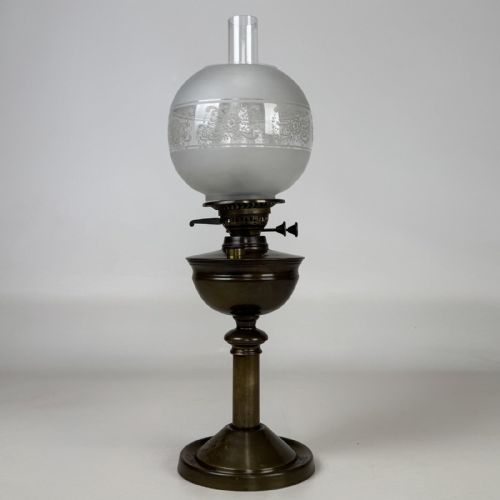
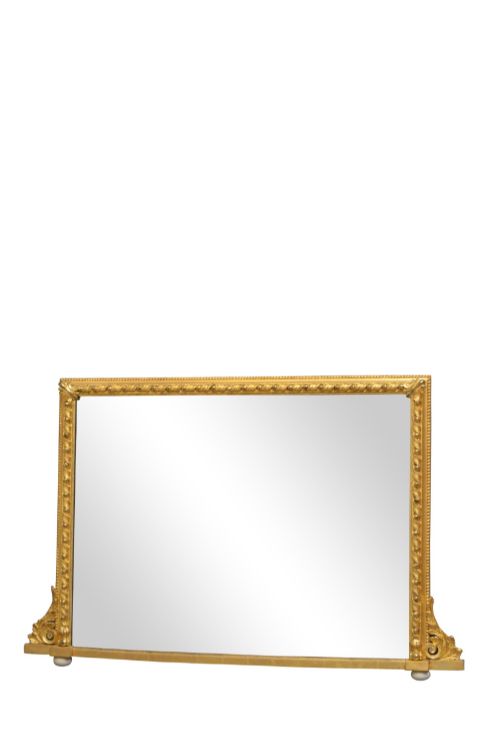
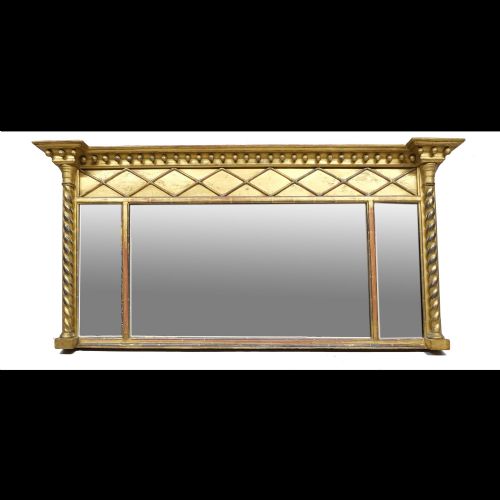
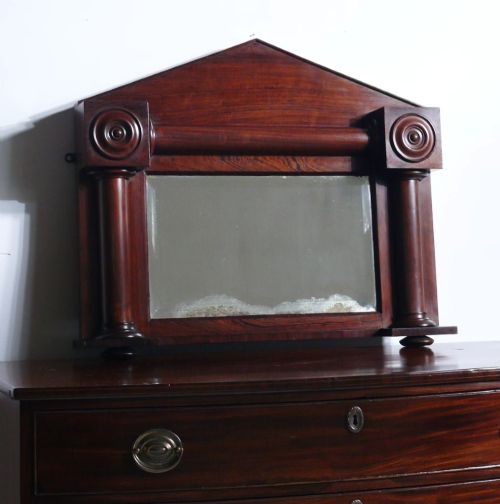
These period chimney glass pieces bring nineteenth-century overmantel mirrors and oil lamps into the room, reflecting light above the hearth.
Period Chimney Glass
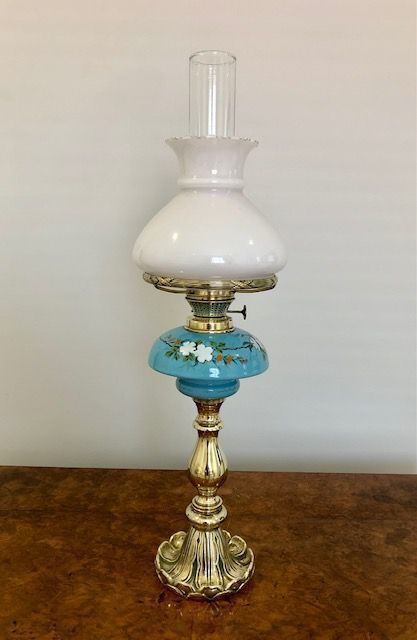
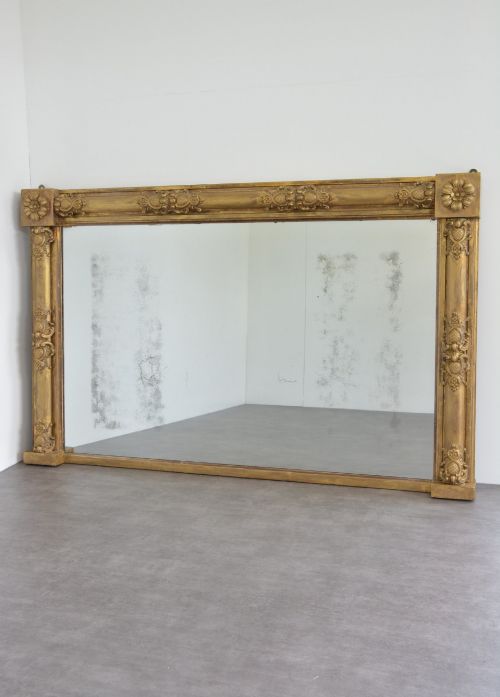
When you search for period chimney glass, you encounter large overmantel mirrors designed to sit directly above fireplaces alongside nineteenth-century brass oil lamps with frosted glass shades. These furnishings anchor the room, historically positioned to catch and multiply the flickering candlelight or firelight from the hearth.
The pieces appearing on this page span the Regency, Victorian, and Edwardian eras, executed in gilded wood, mahogany, rosewood, and brass. Overmantel mirrors dominate the selection, ranging from neat-sized walnut frames to very large painted and giltwood statements.
You are most likely to meet nineteenth-century giltwood overmantel mirrors featuring original foxed or mercury glass, often accompanied by architectural details such as acanthus-decorated columns and ribbed frames. Oil lamps with frosted glass shades provide the alternative form within this grouping, combining turned brass bases with textured glass bowls.
How they were made
Makers constructed the mirror frames from timber carcases in giltwood, gesso, rosewood, mahogany, or walnut, applying carved wooden ornaments and gold leaf by hand. Overmantel structures required robust joinery to support heavy sheets of antique mirror glass safely above the mantelpiece.
Lighting pieces utilised cast brass columns paired with blown or moulded frosted glass shades, creating functional domestic objects designed for daily handling. Glass plates of the period frequently utilised mercury backing or developed natural foxing over decades of exposure to atmospheric conditions.
Period Chimney Glass Retail Price Guide 2026
Typical asking prices for period chimney glass among the pieces listed under this phrase on Sellingantiques today, from the lower quarter to the upper quarter. They describe what is for sale here now, not the wider market.
Foxed mirror glass catches the firelight, ensuring your living room has been spying on nineteenth-century hearths all along.
What varies in quality
Quality rests upon the crispness of the carved wooden or gesso enrichment on the frame and the depth of the original gilding. Finer overmantel mirrors display sharp architectural mouldings, well-balanced proportions, and intact mercury or foxed mirror plates that retain their historical character.
Material selection divides standard production from superior pieces, with dense hardwoods like rosewood and walnut or substantial giltwood frames commanding attention. The integration of period components, such as original frosted glass shades on brass lamps or untouched mirror plates, distinguishes the more desirable examples.
The Period Chimney Glass Glossary
- Overmantel mirror
- A large mirror specifically proportioned to hang on the wall directly above a fireplace mantelpiece. These pieces frequently feature wide horizontal formats to reflect the entire width of the hearth.
- Foxed glass
- Mirror glass displaying dark spots and mottled patches caused by the degradation of the reflective silver backing over time. This natural ageing process is valued by collectors for its soft, historic sheen.
- Giltwood
- Timber, typically pine or gesso-coated wood, covered with a thin layer of gold leaf. This technique produces the bright, reflective metallic finishes seen on Regency and Victorian frames.
- Mercury glass
- A type of double-walled silvered glass manufactured during the nineteenth century by pouring a liquid mercury amalgam between glass layers. It creates a distinctive heavy, silvery reflection.
- Acanthus
- A carved decorative ornament modeled after the leaves of the Mediterranean acanthus plant. Cabinetmakers frequently applied this classical motif to mirror columns and frame corners during the Regency period.
Period Chimney Glass: Frequently Asked Questions
How do I hang a heavy overmantel mirror?
These large nineteenth-century mirrors require secure fixing directly into masonry walls or heavy timber studs using robust professional brackets. The weight of the giltwood frame and glass demands proper load-bearing hardware to prevent displacement above the fireplace.
Position the mirror at a height that allows the lower edge to sit comfortably just above the mantel shelf, maintaining visual balance with the fireplace opening below.
What is mercury glass?
Mercury glass refers to double-walled blown glass objects silvered with a liquid mercury mixture introduced through a small pontil hole, which was then sealed. The technique produces a deep, reflective mirror coating distinct from standard modern silvering.
Pieces utilising this material appear with a characteristic cloudy, shimmering appearance that develops distinctive patination as the internal coating ages.
How do I clean antique glass?
Cleaning requires a soft, dry microfiber cloth to remove dust without disturbing fragile surfaces or flaking silver backing. Avoid commercial chemical sprays and excess moisture, which can seep behind the edges of old mirror plates or damage historical frames.
Gentle maintenance preserves the original foxing and mercury spots that confirm the age and authenticity of the glass plate.
Are oil lamps safe to use?
Period oil lamps with frosted glass shades function primarily as decorative interior objects and require professional rewiring or conversion if intended for modern electric lighting. Using historical oil reservoirs for burning fuel requires careful inspection of the brass burner mechanism and wick condition.
Most collectors display these lamps on side tables or mantelpieces to appreciate the craftsmanship of the brass base and textured shade without active daily use.
How do I date an overmantel mirror?
Dating relies on examining the construction methods of the wooden frame, the style of any carved ornament such as acanthus columns, and the characteristics of the glass plate. Regency examples often display classical architectural restraint, while Victorian pieces incorporate heavier moulded frames and richer giltwood finishes.
Backboards, securing nails, and the presence of original foxing provide further physical evidence for placing a piece within the nineteenth century.