

Period Chairs
Period chairs bring genuine historical character to a room, offering robust construction and enduring design across dining and seating forms.
Period Chairs
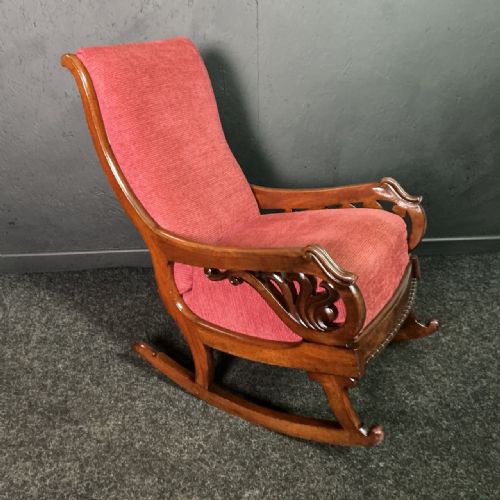
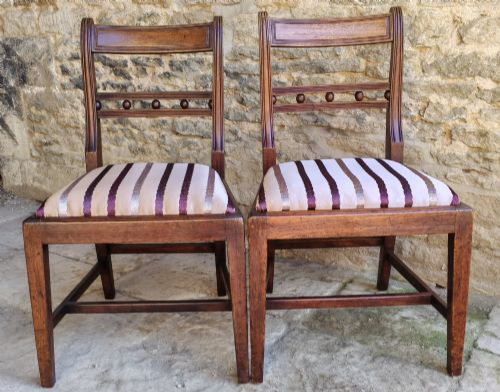
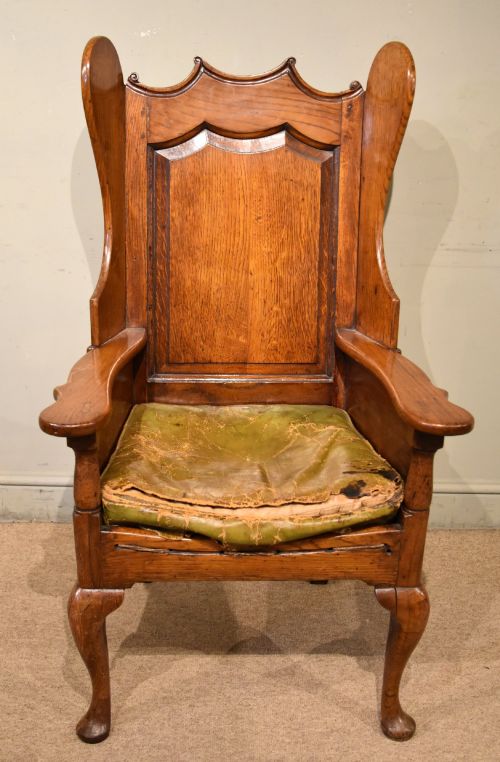
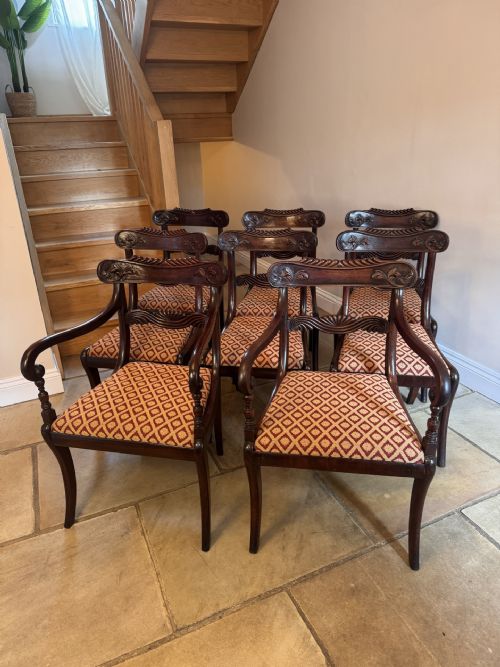
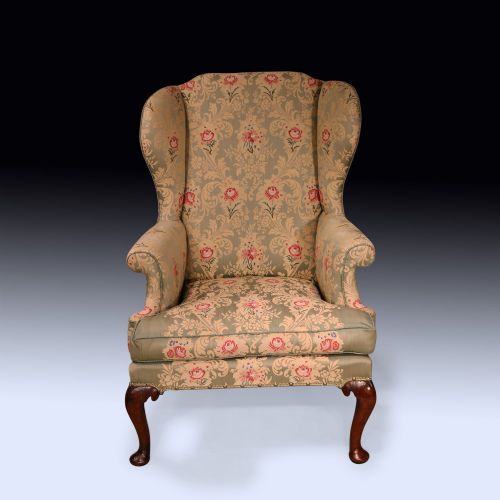
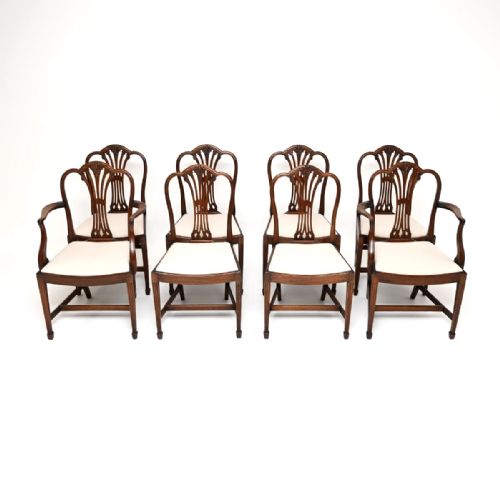
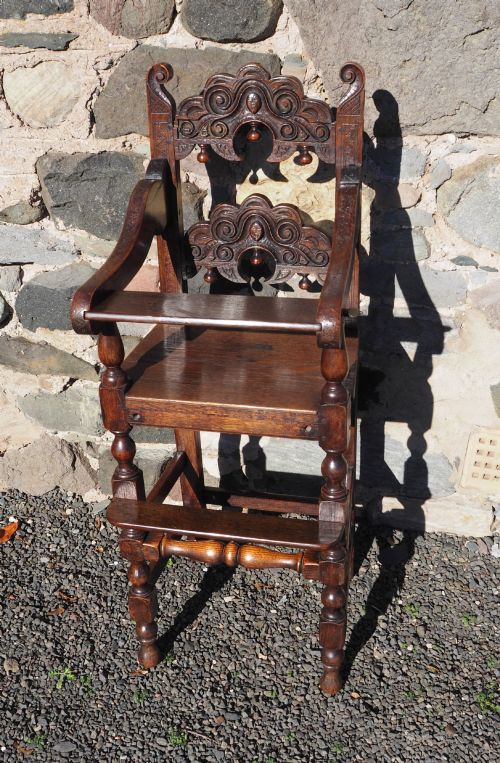
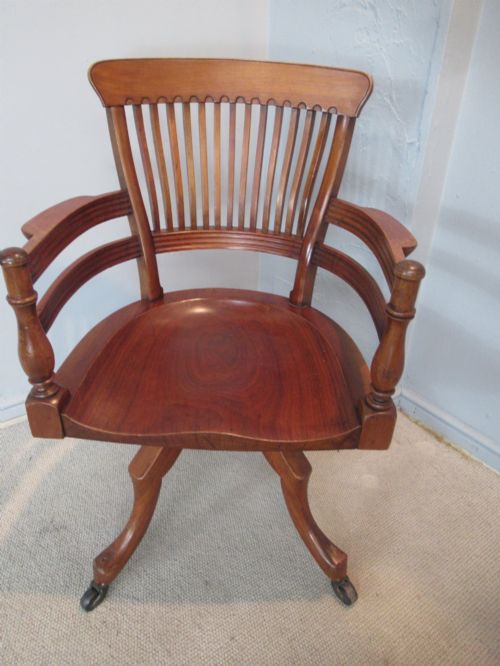
Period chairs encompass a diverse array of seating forms designed for dining, lounging, and hallway use, originating from historical eras ranging from the eighteenth century through the Victorian period. These pieces include matched dining sets, carver armchairs, and occasional seating that reflect the distinct aesthetic priorities of their respective centuries.
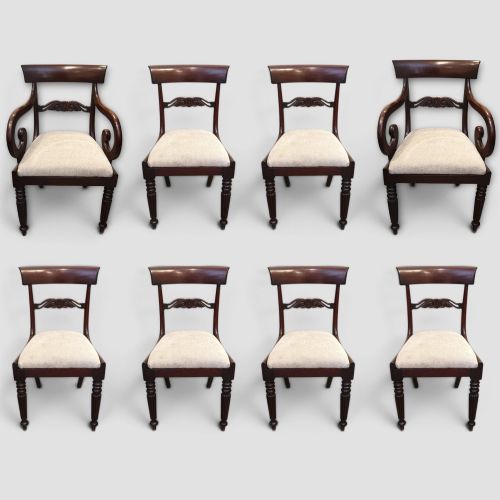
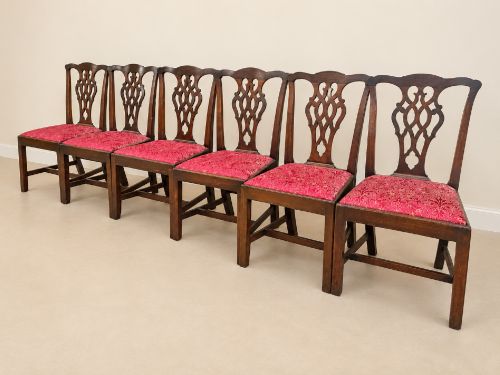
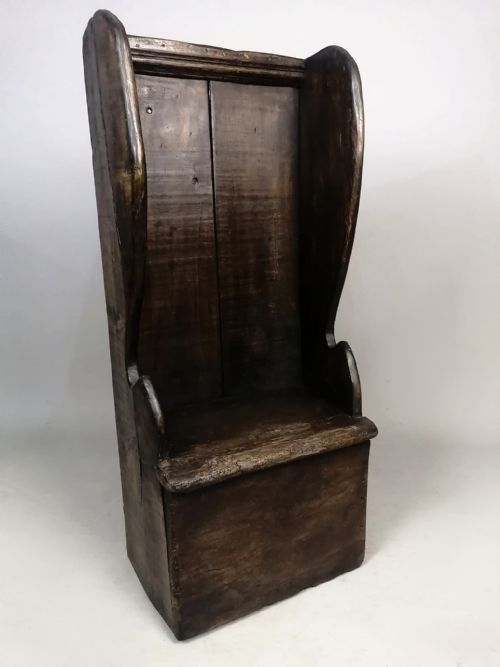
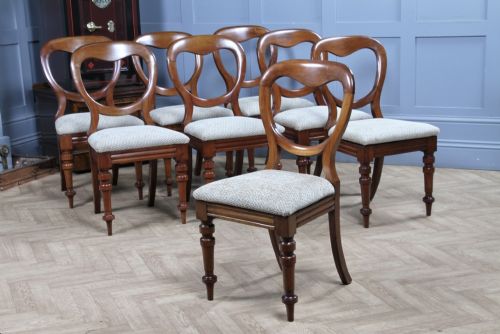
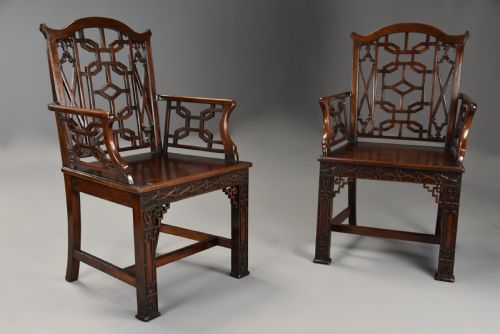
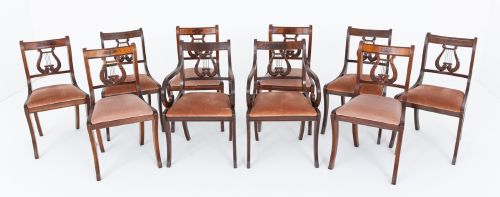
Buyers encountering this selection will most frequently find mahogany dining chairs from the Georgian and Victorian eras, often arranged in large sets or handled as pairs of carvers. Oak, walnut, and yew wood variations also appear, alongside specialised forms such as bergere and corner armchairs.
The styles represented stretch from Queen Anne and Chippendale to Regency and Sheraton revivals, demonstrating how cabinetmakers adapted classical proportions for domestic interiors over generations.
Materials and Technique
Construction relies heavily on dense timbers such as mahogany, oak, and walnut, chosen for structural stability and the capacity to hold intricate carved detail. Joinery methods such as mortise and tenon ensure that frames endure centuries of daily use.
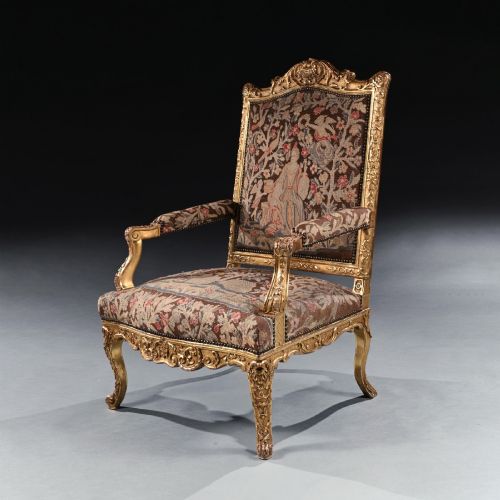
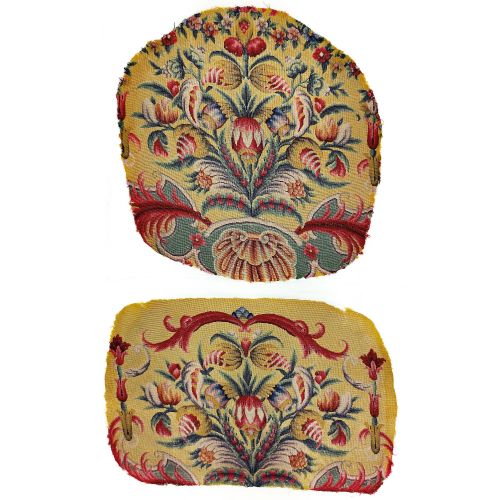
Upholstery incorporates traditional materials including fabric, leather, velvet, and textile panels, secured over webbing and stuffing to form supportive seats and backs. Decorative elements range from reeded legs and shield backs to needlepoint panels and gilt finishes.
Period Chairs Retail Price Guide 2026
Typical asking prices for period chairs among the pieces listed under this phrase on Sellingantiques today, from the lower quarter to the upper quarter. They describe what is for sale here now, not the wider market.
Some nineteenth-century libraries came with an armchair promising a companion piece for free, solving the eternal household dispute over the best fireside seat.
The Measure of Quality
Quality rests in the crispness of the timber carving and the integrity of the underlying frame construction rather than surface embellishment alone. Superior examples maintain original timber patination and tight joinery without excessive modern intervention.
The distinction between standard dining sets and finer workshop productions lies in the selection of figured wood grains, the symmetry of carved details such as ladder backs or shield backs, and the harmonious proportion of carvers to side chairs.
The Period Chairs Glossary
- Carver chair
- An armchair designed to match a set of dining chairs, typically positioned at the head of a dining table. These pieces often feature more elaborate arm supports and wider proportions than standard side chairs.
- Bergere
- An enclosed armchair with upholstered sides, traditionally cane or fabric panels, originating in France. They offer a comfortable, deep seat suited to domestic reception rooms.
- Shield back
- A chair back design popularised in the eighteenth century, shaped in the contour of a heraldic shield. This form frequently incorporates pierced splats and delicate carving.
- Reeded legs
- Cylindrical or tapered furniture legs carved with parallel convex moulding that resembles bundled reeds. This decorative treatment appears frequently on Regency and Victorian seating.
- Ladder back
- A chair back constructed with horizontal wooden slats resembling the rungs of a ladder. Lancashire oak examples represent a sturdy vernacular tradition within this form.
Period Chairs: Frequently Asked Questions
How do I care for antique wooden chairs?
Maintain timber chairs by dusting regularly with a dry cloth and applying natural beeswax periodically to nourish the wood grain. Avoid placing antique seating near direct heat sources or strong sunlight to prevent timber shrinkage.
Keep upholstered elements protected from moisture and handle carver arms gently when moving the furniture across uncarpeted floors.
Can I mix different periods around a table?
Combining different eras of seating works well if the timber tones and general scale share a similar visual weight. Georgian mahogany side chairs often pair successfully with later nineteenth-century carvers of comparable colour.
Matching wood types and leg styles helps create a cohesive arrangement despite minor variations in decorative carving.
What is the difference between a side chair and a carver?
Side chairs are built without arms to allow multiple seats to fit closely together around a dining table. They offer a compact profile designed primarily for upright dining.
Carver chairs include side arms for added comfort and traditionally sat at the head and foot of the table, requiring more space in the room layout.
How do I identify a revival style from an original period piece?
Revival pieces, such as those made in Edwardian workshops copying Chippendale or Sheraton designs, often exhibit machine-cut precision and standardised internal framing. Original eighteenth-century pieces display hand tool marks and timber shrinkage consistent with greater age.
Examining the secondary woods used in seat blocks and interior framing helps clarify the actual date of manufacture.