





Period Ceramic Light
These period ceramic light examples combine antique vases and figures with functional illumination, offering a practical way to integrate historical craftsmanship into domestic interiors.
Period Ceramic Light
A period ceramic light typically takes the form of an adapted antique vase or candlestick, transformed for modern electrical use. These pieces bridge historical decorative arts and everyday household illumination.
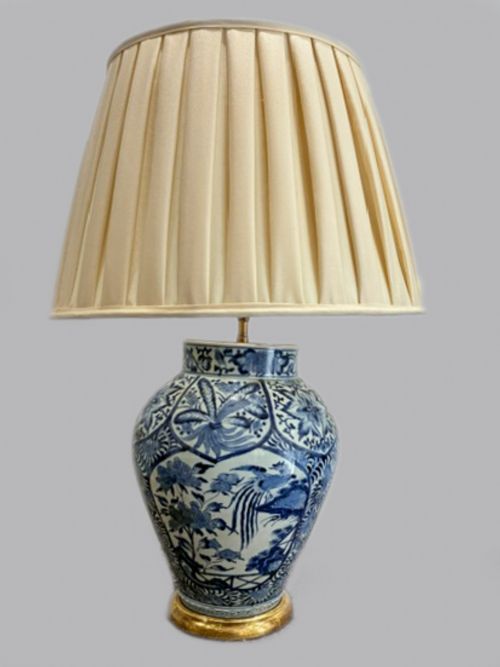
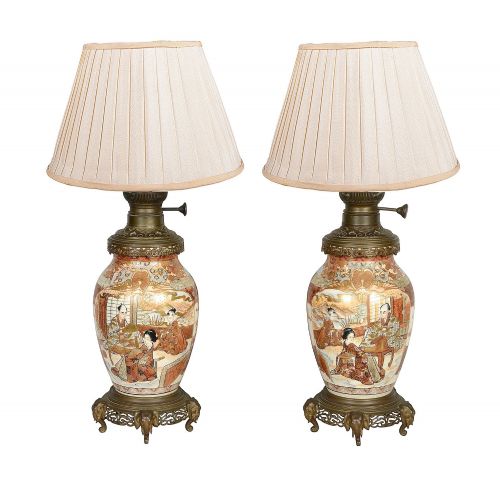
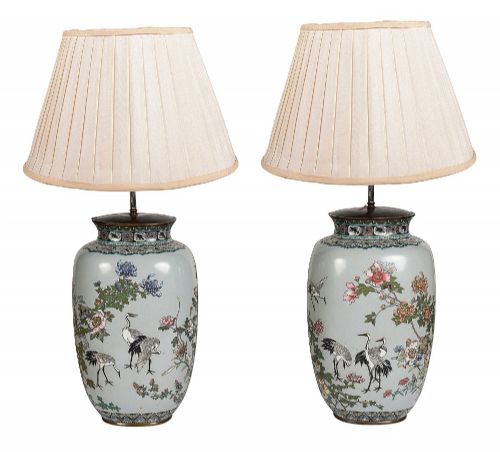
The selection on this page relies heavily on Japanese export ceramics, particularly Satsuma, Imari, Kutani, and Arita porcelain, alongside English Worcester porcelain and French earthenware. Many of these vessels originate from the 18th and 19th centuries, reflecting various Japanese periods such as Edo and Meiji, as well as Georgian and Victorian eras.
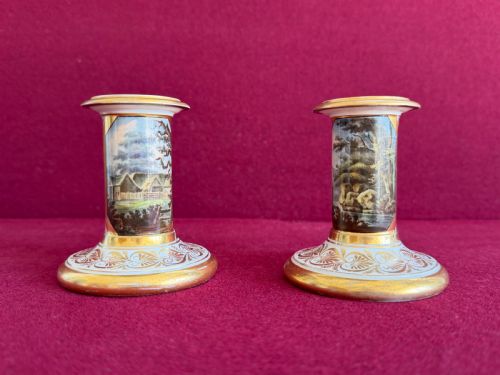
Beyond table lamps, the inventory includes porcelain candlesticks and ceramic light switches mounted on wood. Pairs of matching vases converted to lamps appear frequently among the listings.
Materials and Construction
Makers utilised ceramic bodies formed from earthenware or porcelain, frequently decorated with enamel, underglaze blue, or turquoise glazes. These vessels often incorporate brass mounts or fittings as part of their conversion into lamps.
Many items began life as decorative vases before skilled hands adapted them to house electrical wiring and bulb holders. Supplementary materials such as silk and fabric frequently appear in associated lamp shades.
Period Ceramic Light Retail Price Guide 2026
Typical asking prices for period ceramic light among the pieces listed under this phrase on Sellingantiques today, from the lower quarter to the upper quarter. They describe what is for sale here now, not the wider market.
Even a humble light switch gets the Victorian treatment, pairing porcelain with wooden lever mechanics.
Judging Quality and Execution
Quality rests primarily on the artistic merit and preservation of the original ceramic body. Hand-painted enamel work, crisp blue and white underglaze transfer or painting, and the balanced integration of metal mounts dictate distinction.
The integrity of the conversion also plays a role in overall execution. Pieces that retain their original proportions without compromising the underlying ceramic structure demonstrate superior craftsmanship.
Barr Flight and Barr
The Period Ceramic Light Glossary
- Satsuma
- A type of Japanese earthenware featuring a pale, ivory-coloured crackle glaze, typically decorated with polychrome enamels and gilding. It frequently appears in 19th century decorative pieces.
- Imari
- A style of Japanese export porcelain characterised by a palette of underglaze blue, iron red, and gold. Originating in Arita, these designs were popular throughout the 18th century and later.
- Cloisonné
- A metalwork technique where enamel paste is applied within compartments created by soldered wire strips. This method appears on several Japanese vases adapted into lamps.
- Arita
- The Japanese town renowned as the birthplace of porcelain production in the archipelago. Its kilns produced numerous wares exported to Europe.
- Kutani
- Japanese coloured porcelain known for bold pictorial designs and rich enamel palettes. These pieces frequently surface in 19th century lighting forms.
Period Ceramic Light: Frequently Asked Questions
How do I choose a period ceramic light?
Consider the scale of the room and the height of the ceramic body to ensure proper balance on a table or desk.
Examine the palette of the glaze to coordinate with your existing interior furnishings and decor.
Are these lamps converted antique vases?
Many examples on this page started as traditional decorative vases, ginger jars, or spill vases during earlier centuries.
Craftsmen later adapted these ceramic vessels to incorporate electrical components while preserving the historic body.
How should I clean my ceramic lamp?
Dust the ceramic surface gently with a dry, soft cloth to prevent accumulation without damaging delicate enamels or gilding.
Avoid using harsh chemical cleaning agents that might compromise the antique glaze or historical finish.
What periods do these lamps represent?
The inventory spans multiple eras, including 17th, 18th, and 19th centuries, alongside Georgian and Victorian pieces.
Japanese examples often reference the Edo and Meiji periods through their specific artistic styles and manufacturing techniques.