




Period Carved Bench
These period carved bench examples encompass centuries of seating design, offering substantial timber frames and sophisticated forms that anchor a room with genuine historical weight.
Period Carved Bench
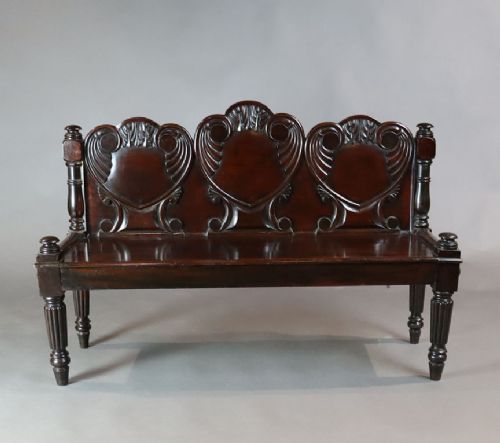
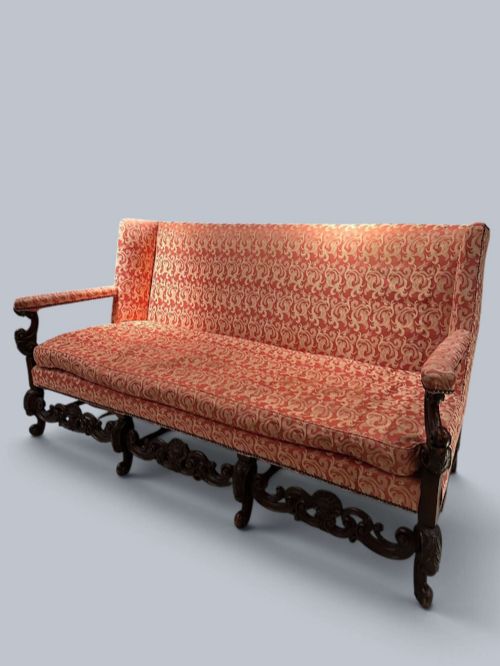
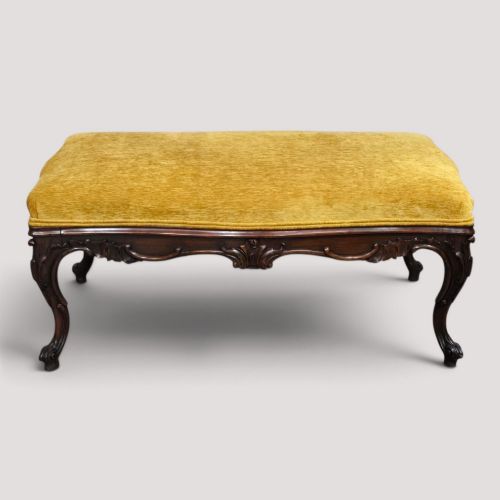
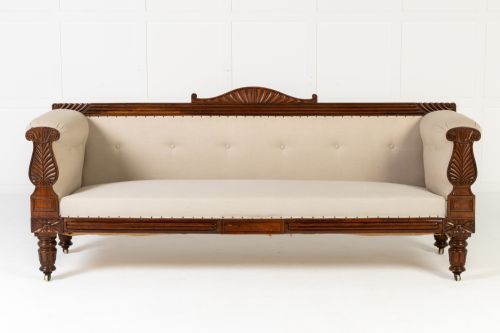
A period carved bench search brings together a diverse selection of seating, ranging from robust seventeenth century oak settles to refined nineteenth century mahogany window seats and scroll-ended sofas. Buyers will frequently encounter English and French styles spanning multiple centuries, with substantial representation from the Regency and eighteenth century periods.
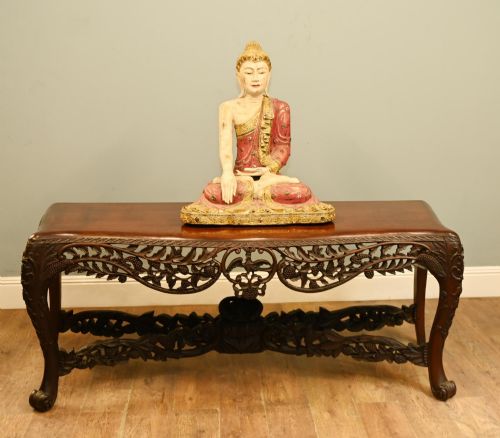
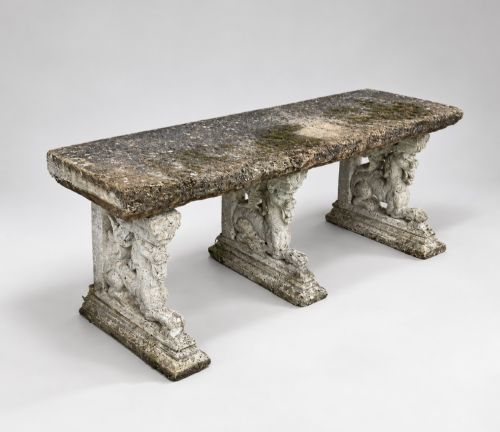
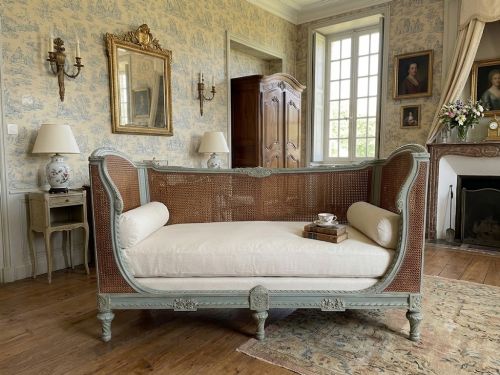
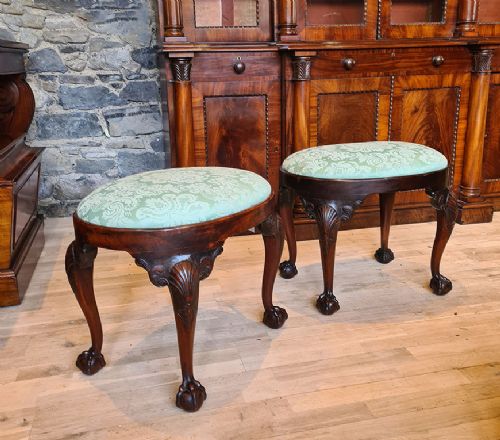
The inventory on this page also includes versatile seating forms such as day beds, canapés, and joint stools alongside garden stone pieces and hardwood consoles. These items reflect traditional domestic and outdoor seating arrangements used across various European and global workshops.
Materials and Construction
Cabinet makers utilised dense hardwoods such as oak, mahogany, walnut, and rosewood to build the structural frames of these seats. Joinery techniques relied heavily on traditional methods like mortise and tenon joints, particularly evident in early oak settles and joint stools.
Surface ornamentation often involved intricate hand carving directly into the timber, supplemented by painted or gilt finishes on French style pieces. Upholstery materials such as fabric, hessian, and cane were integrated into seats and day beds to provide functional comfort.
Period Carved Bench Retail Price Guide 2026
Typical asking prices for period carved bench among the pieces listed under this phrase on Sellingantiques today, from the lower quarter to the upper quarter. They describe what is for sale here now, not the wider market.
Listings feature numerous examples from the 17th, 18th, and 19th centuries, utilising oak, mahogany, rosewood, and walnut.
Assessing Quality
The distinction between standard examples and superior pieces rests on the crispness of the hand carving and the integrity of the primary timber. Exceptional seating demonstrates harmonious proportions and substantial secondary woods that remain solid through centuries of use.
Original surface patination and untouched frame construction elevate a piece above later adaptations or heavily restored variants. The fluidity of carved details, especially on scroll ends and crest rails, reveals the skill of the original maker.
The Period Carved Bench Glossary
- Settle
- A wooden wooden bench with a high back, solid arms, and often a chest base, designed to block draughts in early homes.
- Canapé
- A decorative French upholstered sofa or settee featuring an exposed carved wooden frame, popular during the eighteenth and nineteenth centuries.
- Joint stool
- A sturdy seventeenth century wooden stool constructed with pegged mortise and tenon joinery, originally used for sitting or reaching high places.
- Scroll end
- A sweeping, curved arm or terminal found on Regency and nineteenth century sofas and window seats.
- Giltwood
- Timber that has been coated with a thin layer of gold leaf, frequently utilised on decorative European revival furniture frames.
Period Carved Bench: Frequently Asked Questions
How do I date a wooden settle?
Dating relies on examining the construction marks, timber species, and joint techniques visible on the piece. Early examples from the seventeenth century often feature boarded oak construction with pegged joints and simple hand-carved panels.
Later interpretations incorporate stylistic traits from subsequent eras, such as applied mahogany veneers or softer fruitwood bodies. Analysing the tool marks and wear patterns on the underside provides further clarity on age.
Where should I place a window seat?
Window seats function effectively in long hallways, bedrooms, or living spaces where low-backed furniture preserves natural light and outside views. Their long, narrow proportions suit transitional spaces and alcoves without overwhelming the room.
Pairing them with appropriate upholstery ensures they remain comfortable for daily reading or resting while adding architectural interest to empty perimeters.
What is the difference between a settee and a sofa?
Settees traditionally feature a rigid wooden or upholstered frame with a distinct backrest and seating for two or more people. They often retain more visible structural woodwork compared to fully upholstered settees of later periods.
Sofas typically offer larger proportions and deeper seating arrangements designed for relaxed lounging. The terminology often overlaps depending on the regional origin and specific decorative style of the era.
How do I care for antique timber frames?
Maintaining antique timber requires stable indoor humidity levels away from direct heat sources and sunlight that can dry out the wood. Regular dusting with a soft, dry cloth prevents particulate accumulation without damaging the historic finish.
Applying occasional microcrystalline wax helps nourish older woods like oak and mahogany while preserving their natural patination. Avoid harsh chemical cleaners that strip away centuries of accumulated surface character.