



Period Brass Lantern
These period brass lantern lights and clocks span centuries of domestic illumination, bringing tactile metalwork and clear glass to hallways and walls.
Period Brass Lantern
A period brass lantern encompasses diverse lighting and timekeeping objects, ranging from heavy seventeenth-century chamber clocks to hanging hall lights from the Edwardian and Art Deco eras. Buyers searching this phrase meet everything from French bronze wall lanterns to British hanging hall lights.
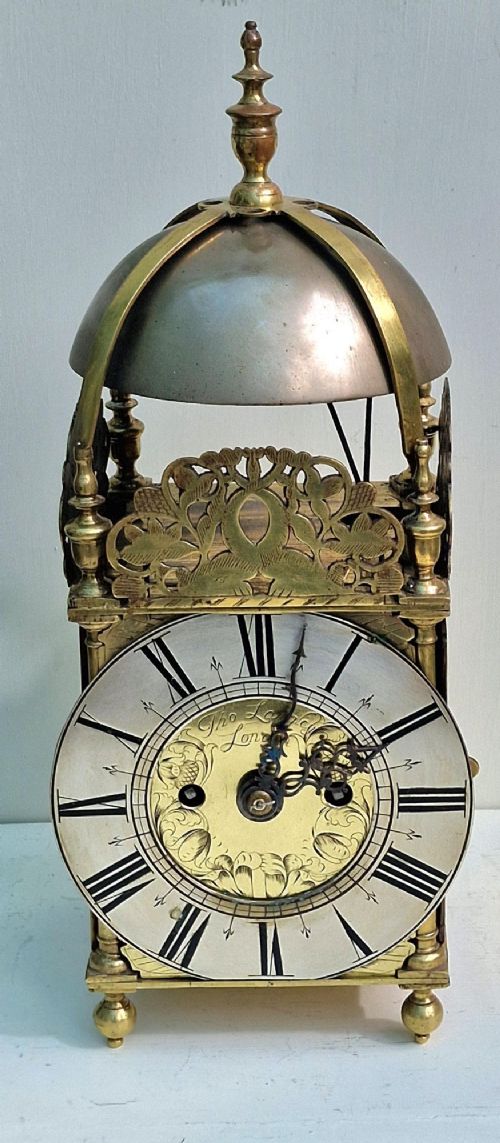
The domestic lighting pieces include ceiling pendants, wall sconces, and porch lanterns designed to hold early oil burners or electrical fittings. Timepieces take the form of traditional lantern clocks in brass, often marking seventeenth-century British craftsmanship with architectural dials and strapwork.
Materials and construction
Construction relies heavily on cast and sheet brass, frequently paired with copper, iron, and steel elements to form the structural frames of hanging and wall-mounted pieces. Glass panels, including frosted varieties, are fitted into metal channels to diffuse light from oil lamps or interior bulbs.
Surface finishes include gilded bronze and patinated brass, reflecting the decorative preferences of periods from the seventeenth century through the 1930s. Artisans joined metal components using mechanical fixings, solder, and traditional casting methods appropriate to each century.
Period Brass Lantern Retail Price Guide 2026
Typical asking prices for period brass lantern among the pieces listed under this phrase on Sellingantiques today, from the lower quarter to the upper quarter. They describe what is for sale here now, not the wider market.
Samuel Tinham stamped his seventeenth-century clock with a winged design, proving that even timekeepers occasionally fancied taking flight.
Judging quality in brass lighting and clocks
Quality shows in the weight of the metal casting and the precision of the joinery holding the glass panels in place. Finer examples display crisp detail in chased or gilded bronze mounts and well-proportioned architectural frames.
Clocks demonstrate craftsmanship through the integrity of their brass movements and signed dials bearing seventeenth-century maker details. Lighting pieces reveal their standard through the thickness of the brass and the originality of the glass components.
Thomas Langley·Samuel Tinham·Peter Closon·James Ogden Senior·William Clement
The Period Brass Lantern Glossary
- Lantern clock
- An early type of domestic weight-driven or spring-driven clock made mostly of brass, featuring an open weight system and decorative strapwork. These timepieces date back to the seventeenth century in Britain.
- Half lantern
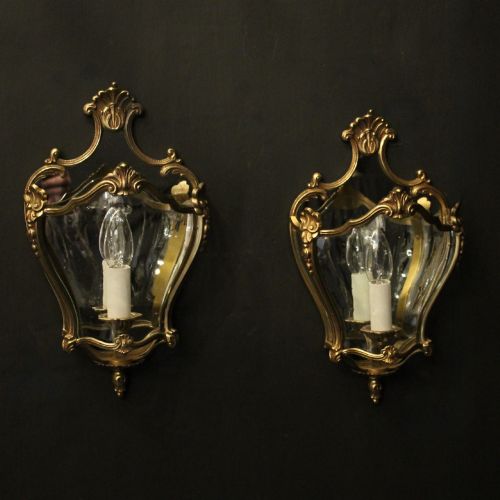
- A wall-mounted lighting fixture flattened on one side to sit flush against a vertical surface. They appear in French bronze and brass configurations.
- Gilded bronze
- Bronze coated with a thin layer of gold for decorative effect. This finish appears on French examples from the nineteenth and twentieth centuries.
- Arts and Crafts
- A design movement prioritising handcraftsmanship and simple forms over industrial mass production. Pieces from this style utilise brass and copper in utilitarian lighting.
Period Brass Lantern: Frequently Asked Questions
How do I hang a heavy brass hall lantern?
Hanging a heavy brass or bronze lantern requires securing the suspension chain directly into a ceiling joist or structural support rather than relying on plaster alone.
Weight distribution matters greatly with seventeenth-century or twentieth-century metal fixtures to ensure safety and stability in domestic hallways.
Can these antique lanterns be wired for modern electricity?
Many hanging hall lights and wall lanterns adapt readily to modern electrical standards by running discreet internal wiring through the original brass frame.
Clock mechanisms remain mechanical timepieces, whereas lighting fixtures often receive updated bulb fittings while retaining their historic glass and metal bodies.
How should I clean antique brass and glass?
Cleaning antique brass involves removing dust with a soft, dry cloth without applying harsh chemical polishes that strip historical patination.
Glass panels can be gently wiped with standard glass cleaner applied to a cloth first, preventing moisture from reaching vulnerable metal joints.
What is the difference between a hall lantern and a porch lantern?
Hall lanterns are typically designed for interior spaces, utilising delicate brass or gilded bronze frames meant to hang within dry residential entryways.
Porch lanterns often incorporate more robust iron or copper elements to withstand exterior conditions while maintaining similar glass and metal construction.