


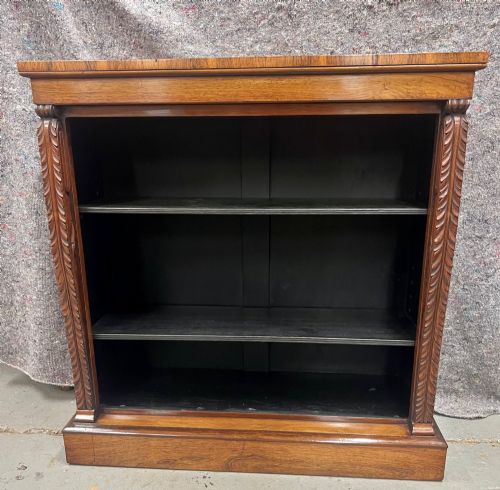


Period Bookcase Unit
A period bookcase unit brings enduring architectural form and practical shelving to a room, offering timeless storage for collections of books and display objects.
Period Bookcase Unit
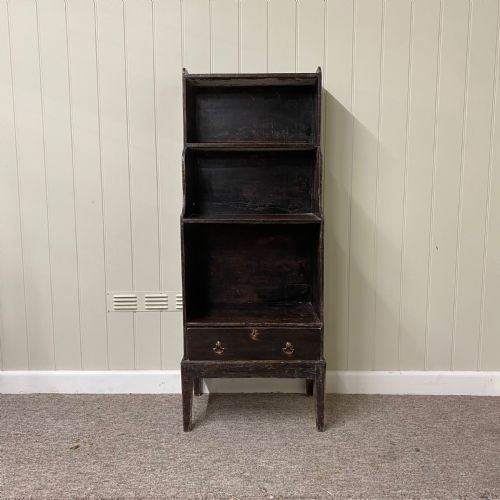
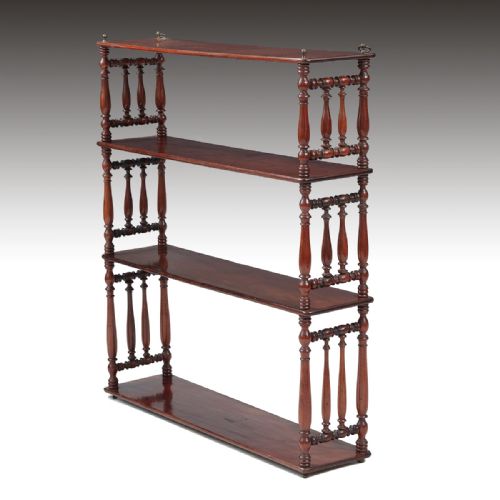
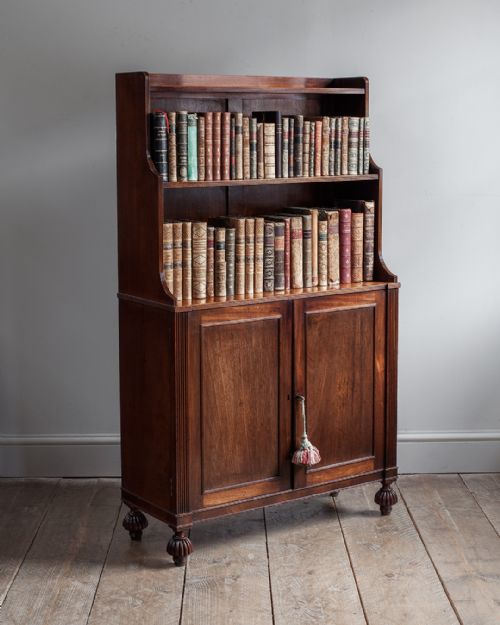
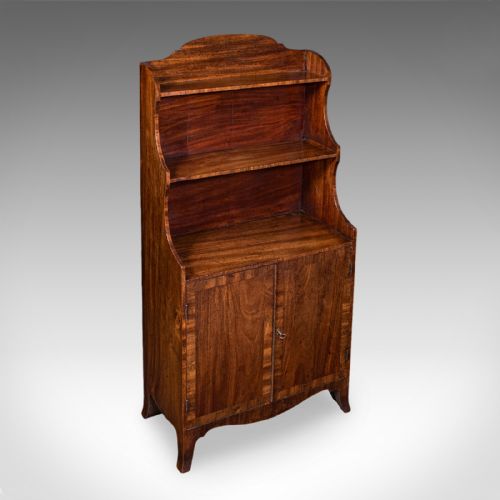
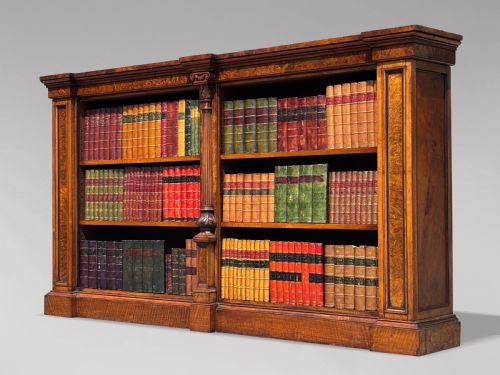
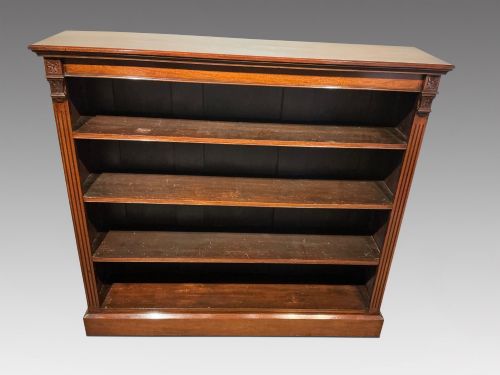
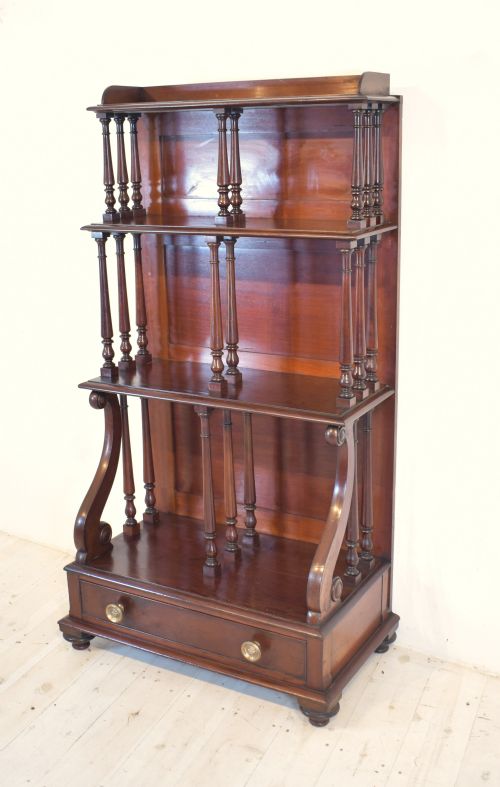
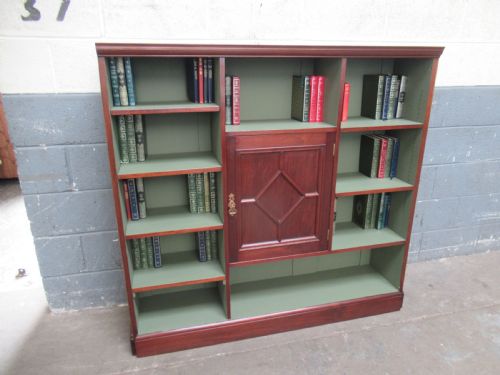
A period bookcase unit encompasses a range of traditional storage forms, from open mahogany shelving and low cabinets to multi-tiered whatnots and waterfall designs. These pieces span several eras, appearing in Georgian, Regency, Victorian, and Edwardian iterations.
Buyers encountering this selection will frequently find Regency and George III examples, alongside Victorian open configurations and Edwardian pieces. These items vary from wall-hung shelves and etageres to substantial breakfront cabinets and display units.
The fundamental purpose of these items remains the orderly retention and exhibition of volumes and decorative objects. Their proportions reflect the domestic architecture of the eighteenth, nineteenth, and early twentieth centuries.
Materials and Construction
Cabinet makers utilised dense hardwoods such as mahogany, rosewood, and oak as the structural foundation for these pieces. Finer iterations incorporate flame mahogany, burr walnut, satinwood, and decorative brass inlay.
Construction techniques involve traditional joinery, with open shelves, tiered platforms, and cabinet enclosures assembled by hand. Glass doors, brass fittings, and tiered upright supports define the architectural execution of waterfall bookcases and etageres.
Period Bookcase Unit Retail Price Guide 2026
Typical asking prices for period bookcase unit among the pieces listed under this phrase on Sellingantiques today, from the lower quarter to the upper quarter. They describe what is for sale here now, not the wider market.
Materials recorded across the inventory include mahogany, flame mahogany, rosewood, oak, burr walnut, satinwood, brass, and glass.
Assessing Quality
Quality in these units rests upon the selection of timber figures, such as flame mahogany or burr walnut, and the precision of brass or satinwood inlay work. Superior examples demonstrate thoughtful proportion and unusual design configurations.
The refinement of structural joints and the integrity of original glass panels distinguish higher-grade pieces. Maker attribution, visible in documented workshops like Gillows, elevates the standing of an item within its period.
Gillows
The Period Bookcase Unit Glossary
- Waterfall bookcase
- A tiered shelving unit where each successive shelf steps back from the one below, creating a cascading profile.
- Whatnot
- An open, multi-tiered piece of freestanding furniture designed for displaying ornaments, books, or small possessions.
- Etagere
- A piece of furniture consisting of a number of open shelves for holding ornaments, sharing similarities with the whatnot.
- Breakfront
- A cabinet design where the central section projects forward from the flanking outer sections.
- Chiffonier
- A low sideboard or cabinet, frequently equipped with shelving or a small superstructure on top.
Period Bookcase Unit: Frequently Asked Questions
How do I style a period bookcase?
These units accommodate collections of leather-bound books, ceramic objects, and small sculptures within living spaces or studies.
Their varied woods and open shelves allow them to function as focal display points or practical storage solutions against walls.
How do I identify a Regency bookcase?
Regency bookcases typically exhibit dark timbers like mahogany and rosewood, often enhanced with brass inlay or gilt bronze mounts.
They frequently display classical architectural proportions, clean lines, and restrained decorative elements characteristic of the early nineteenth century.
What is the difference between an etagere and a whatnot?
An etagere and a whatnot both provide open tiers for display, though etagere is a French term applied to similar multi-shelf furniture.
Both forms served identical decorative purposes in period interiors, holding books, porcelain, and curiosities on multiple levels.