


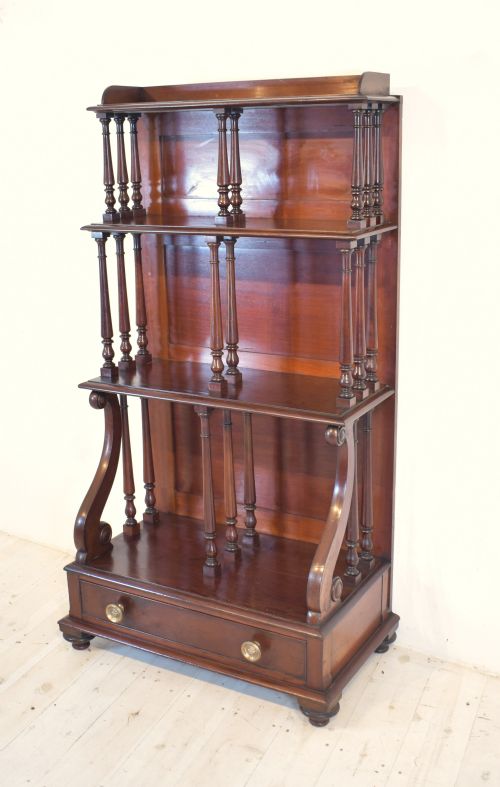


Period Book Shelving
Period book shelving offers exceptional timber construction and architectural presence, bringing timeless organisation and refined display space to a traditional room.
Period Book Shelving
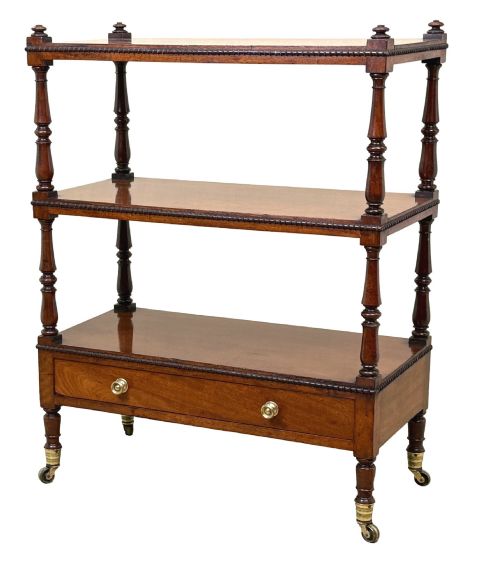
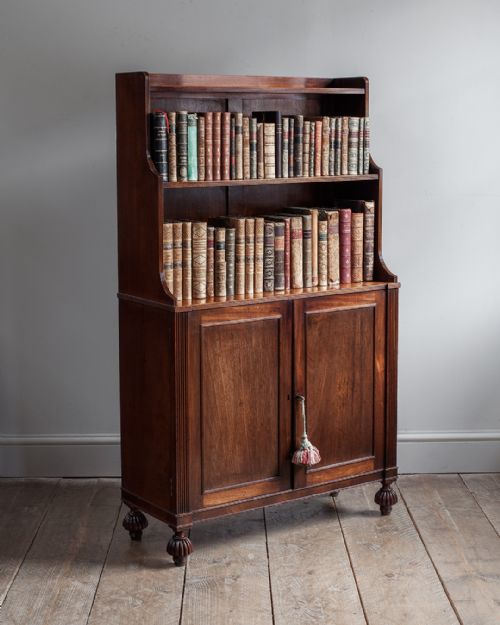
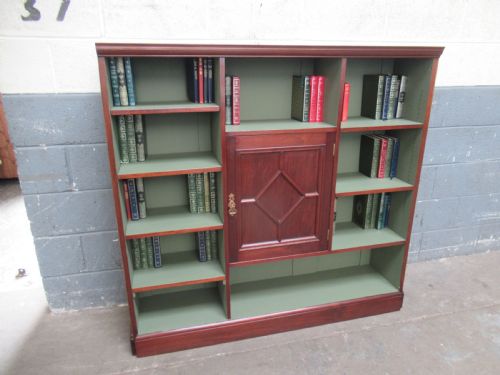
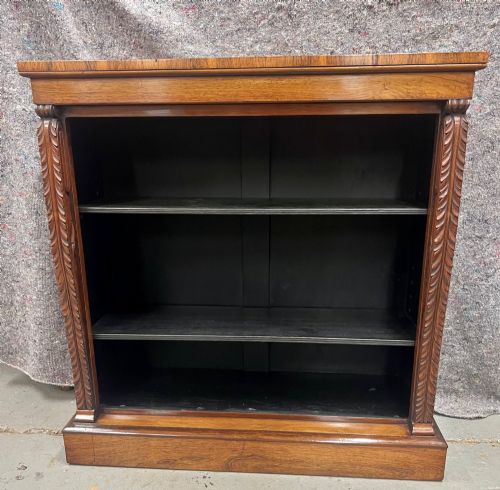
Period book shelving encompasses various timber storage solutions, most frequently seen on this page as open bookcases, tiered whatnots, and etageres from the Regency and Edwardian eras. These pieces provide practical display surfaces and shelving for volumes, drawing upon classical furniture forms developed during the nineteenth century and earlier.
Meticulous proportions characterise these items, with makers utilising graduated tiers and open shelving to balance visual weight. Whether configured as a standalone side cabinet or a multi-tier whatnot, each piece serves the dual purpose of literary storage and decorative display.
Materials and Construction
Cabinet makers relied heavily on dense hardwoods, constructing carcasses primarily from mahogany and rosewood to ensure structural stability for heavy book collections. These timbers were frequently selected for their rich grain patterns, providing a polished surface that required minimal additional ornamentation.
Secondary decorative elements appear in select pieces through the application of brass details and parcel gilt highlights, which accentuate the architectural lines of the shelving. Painted finishes and marble inserts also feature in the material record, adding textural contrast to the primary timber framework.
Period Book Shelving Retail Price Guide 2026
Typical asking prices for period book shelving among the pieces listed under this phrase on Sellingantiques today, from the lower quarter to the upper quarter. They describe what is for sale here now, not the wider market.
The listings span the Regency, Edwardian, and Georgian periods, showcasing timber constructions in mahogany, rosewood, and paint.
Assessing Quality and Design
Quality in these shelving units rests upon the selection of timber veneers and the crispness of architectural details such as turned columns or tiered galleries. Superior examples display thoughtful grain matching across prominent surfaces and refined proportions that elevate the piece beyond mere utility.
The integration of functional additions, such as leather-lined compartments or multi-tiered waterfall constructions, distinguishes finer workshops from standard production. A harmonious balance between decorative embellishment and structural timber work defines the upper tier of surviving examples.
The Period Book Shelving Glossary
- Whatnot
- A moveable set of open shelves used for displaying books, ornaments, or small objects. This form gained popularity during the Georgian and Regency periods.
- Waterfall bookcase
- A shelving unit with tiers that step back progressively from bottom to top, creating a profile resembling descending water. These pieces often feature graduated open shelves.
- Parcel gilt
- A decorative technique where specific carved details or mouldings are partially gilded with gold leaf while the surrounding timber remains exposed. This finish highlights particular architectural elements.
- Open bookcase
- A piece of furniture designed specifically for holding books behind an open front without glass or timber doors. These units allow immediate access to the volumes stored within.
Period Book Shelving: Frequently Asked Questions
What distinguishes an etagere from a whatnot?
An etagere is typically a set of open shelves designed for displaying decorative objects rather than heavy literary collections. Whatnots share a similar multi-tiered structure but often incorporate enclosed lower cabinets or drawers.
Both forms served similar functions in period interiors, though whatnots frequently appear with specialised tiers for books and small volumes.
How do I care for rosewood shelving?
Rosewood requires stable environmental conditions away from direct sunlight and central heating to prevent the timber from drying out or splitting. Gentle dusting with a dry, soft cloth preserves the polished surface.
Avoid applying modern silicone-based polishes, as these can accumulate and damage the historical finish of the wood over time.
Where were these bookcases placed?
Period shelving typically stood against drawing room or library walls, providing accessible storage for frequently read volumes. Compact whatnots were also positioned in corners or between windows to maximise functional floor space.
Low open bookcases allowed owners to display decorative objects or busts on the top surface while keeping books at waist height.
How do I identify Regency period pieces?
Regency furniture often exhibits classical architectural motifs, clean lines, and dark hardwoods like mahogany and rosewood. Proportions are typically balanced, occasionally incorporating brass mounts or parcel gilt details.
Construction methods from this era rely on traditional joinery techniques, distinct from later mass-produced furniture.