

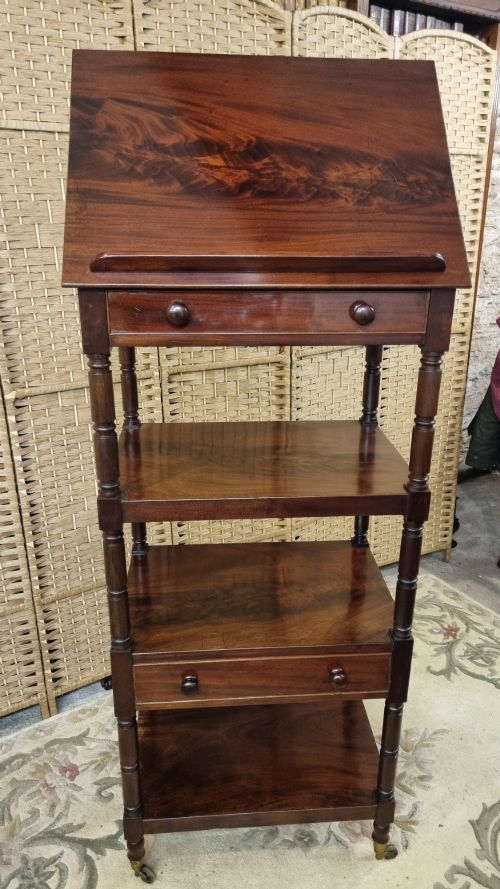
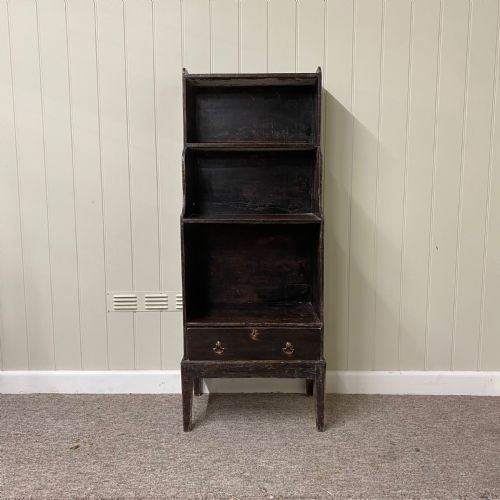
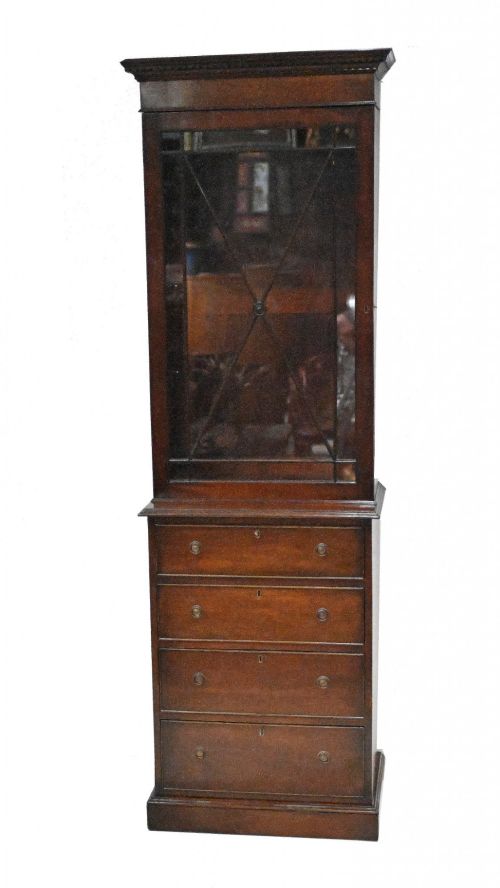

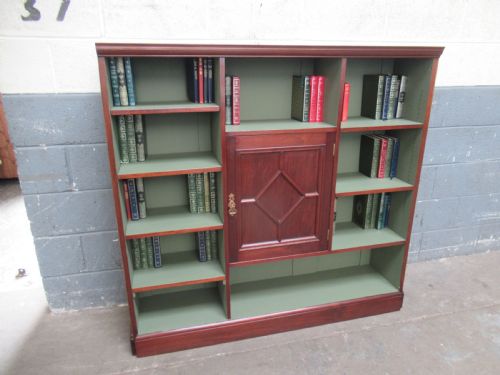


Period Book Display
These period book display pieces, spanning the Georgian to the Edwardian eras in mahogany, rosewood and walnut, organise your volumes with architectural grace.
Period Book Display
A period book display encompasses bookcases, whatnots, étagères and side cabinets designed to hold and present bound volumes in domestic interiors. When searching for period book display, you encounter sophisticated storage furniture intended for libraries, morning rooms and drawing rooms across multiple centuries of British design.
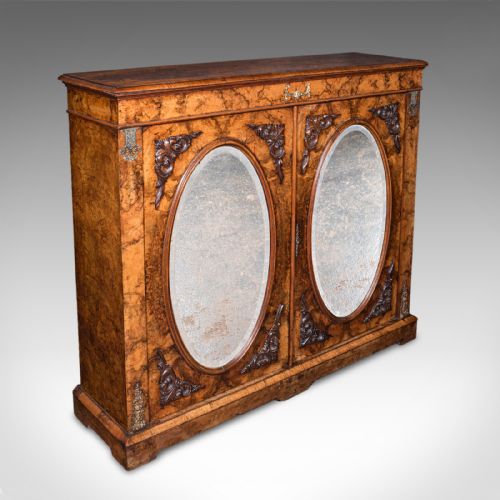
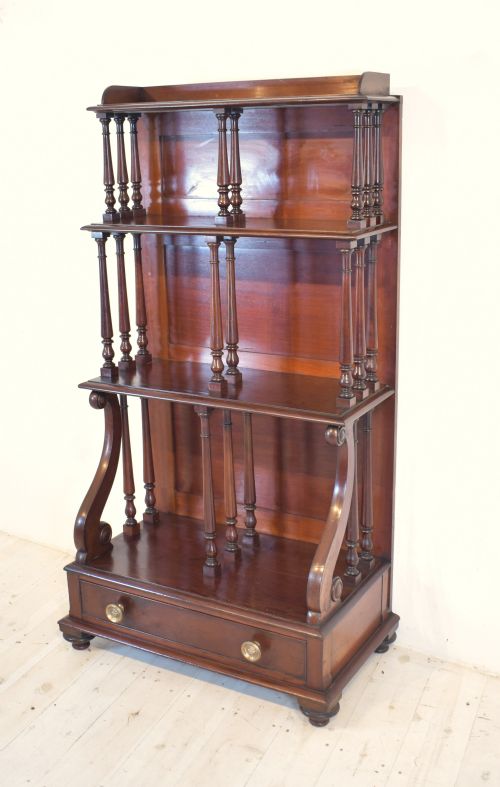
The pieces on this page are predominantly mahogany and rosewood forms from the Regency and Georgian periods, alongside later Edwardian iterations. You will frequently meet tiered whatnots, cabinet bookcases with glass or mirror fronts, and open shelving units suited to displaying prized libraries.
Forms range from compact three-tier étagères to substantial glazed bookcases incorporating brass and ormolu mounts. Each variation reflects the evolving domestic habits of collectors who required functional yet decorative ways to store literature.
Materials and construction
Cabinetmakers utilised rich timber veneers including figured mahogany, rosewood and burr walnut, laid over sturdy primary woods to create durable cabinetry. Surface enrichment often included delicate painted details, glazed doors and polished finishes that highlighted the natural grain of the wood.
Structural finesse appears in turned supports, tiered shelving frameworks and finely fitted brass or ormolu hardware. Joinery techniques from the Georgian and Regency periods ensured these multi-tiered whatnots and heavy bookcases remained stable under the weight of extensive libraries.
Period Book Display Retail Price Guide 2026
Typical asking prices for period book display among the pieces listed under this phrase on Sellingantiques today, from the lower quarter to the upper quarter. They describe what is for sale here now, not the wider market.
Current listings feature pieces spanning the Georgian, Regency, George IV and Edwardian periods, constructed predominantly in mahogany, rosewood and walnut.
Distinctions in quality
Quality rests upon the choice of timber and the sophistication of the cabinetmaker's execution, distinguishing refined parlour pieces from utilitarian storage. Superior examples display carefully matched grain patterns, particularly on rosewood and burr walnut surfaces, alongside harmonious proportions.
Hardware integrity and secondary detailing elevate certain items above standard production. The crispness of turned wooden columns, the weight of brass mounts and the clarity of early glass panes separate the finest displays from simpler constructions.
The Period Book Display Glossary
- Whatnot
- A freestanding set of open shelves used for books and ornaments. Originating in the eighteenth century, it evolved into a staple of Regency and Georgian drawing rooms.
- Side cabinet
- A low freestanding cupboard placed against a wall for storage and display. These pieces often incorporate glazed doors or mirror fronts to showcase contents.
- Waterfall bookcase
- A tiered shelving unit where each successive shelf is set slightly further back than the one below. This stepped profile creates a cascade effect popular in nineteenth-century design.
- Ormolu
- Gilt bronze ornamentation applied to furniture. It provides metallic contrast against dark timbers like rosewood and mahogany.
Period Book Display: Frequently Asked Questions
How do I date a bookcase?
Dating a bookcase relies on identifying stylistic markers, construction methods and timber choices characteristic of specific reigns and centuries. Regency pieces often display classical proportions and exotic veneers.
Earlier Georgian examples lean towards architectural cornices and heavier solid mahogany, while Edwardian pieces reflect lighter revivalist interpretations of earlier vernaculars.
Where should I place a waterfall bookcase?
A waterfall bookcase suits studies, living rooms and hallways where vertical space allows its stepped profile to stand clear. Its open shelves make it ideal for accessible everyday reading.
Keep such timber pieces away from direct sunlight and strong heat sources to protect the polished rosewood or mahogany surfaces from fading and drying.
What is the difference between an étagere and a bookcase?
An étagère is primarily an open, tiered display stand meant for both books and decorative objects, whereas a traditional bookcase focuses heavily on enclosed or open shelf storage for volumes.
Many period examples bridge these categories, combining open display tiers with lower cabinet storage or glass-fronted upper sections for protected book storage.