
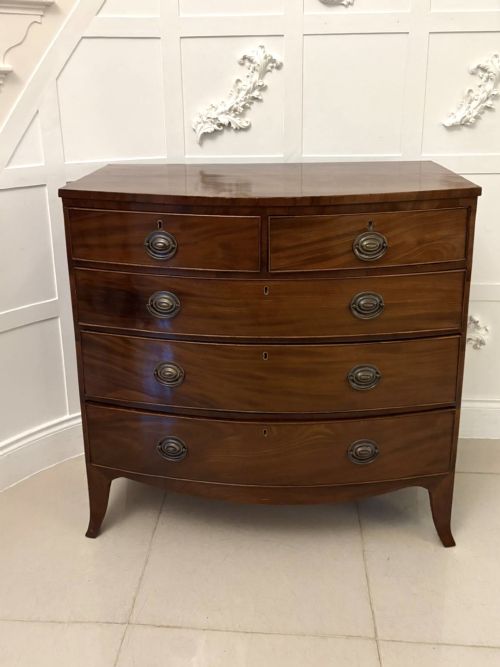
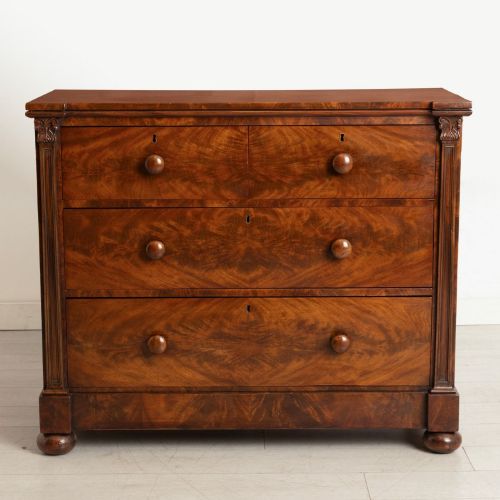
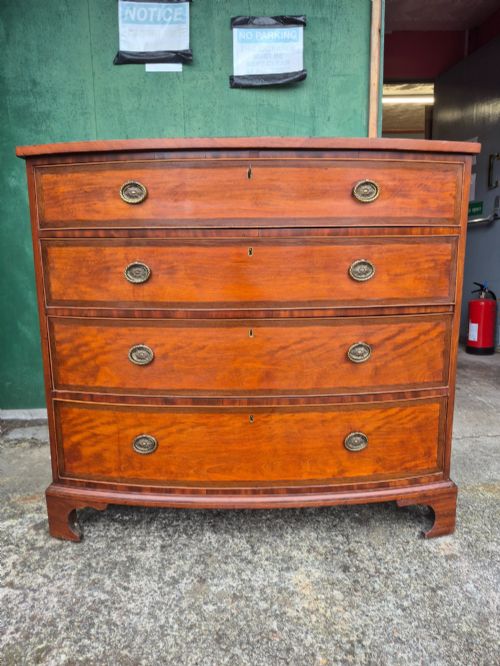
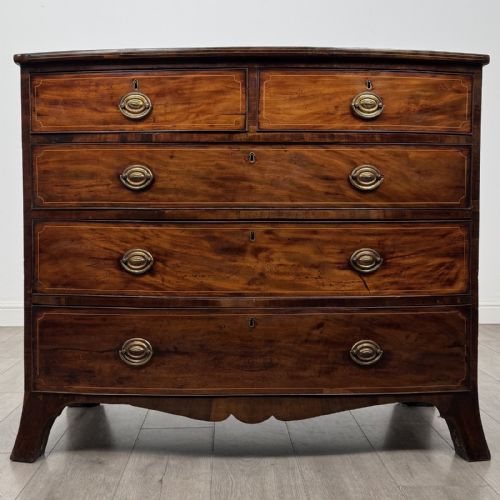
Period Bedroom Drawers
Period bedroom drawers bring warmth and steady storage to a room, offering historic timber and honest craftsmanship built to last generations.
Period Bedroom Drawers
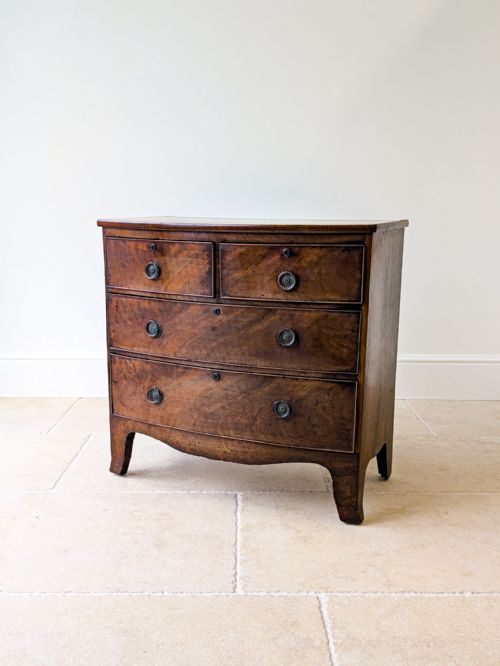
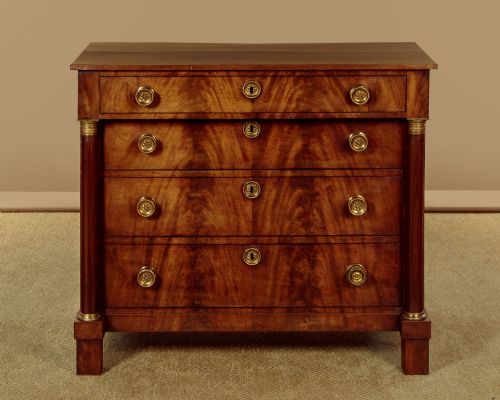
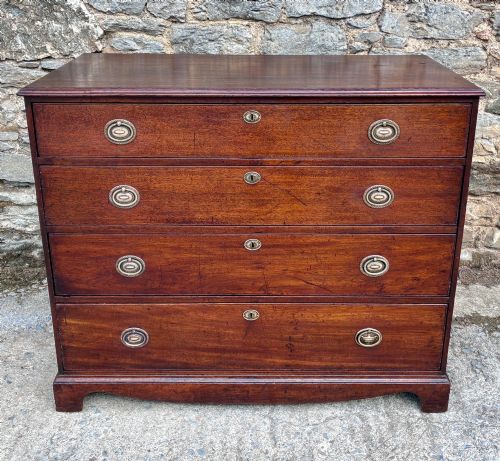
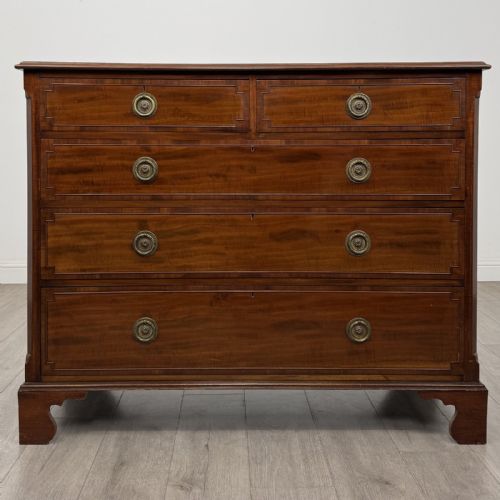
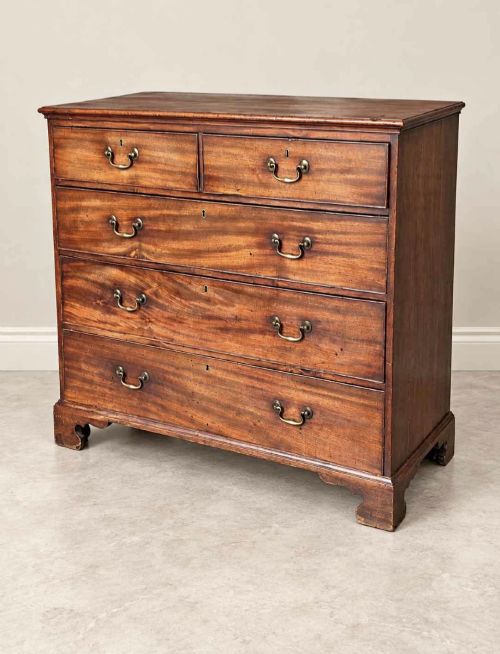
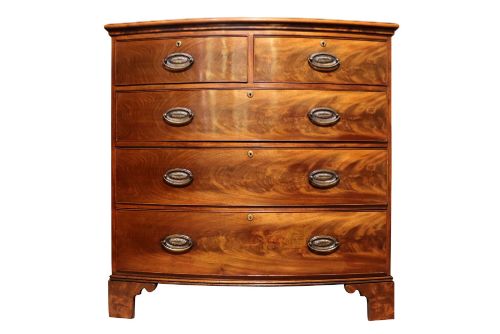
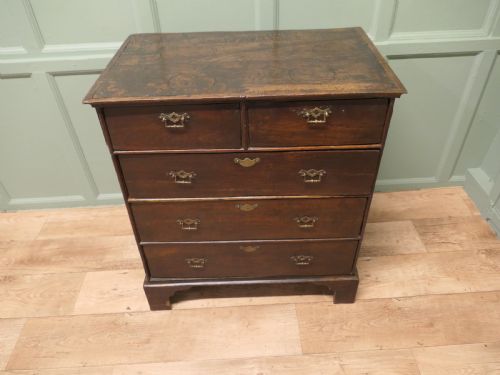
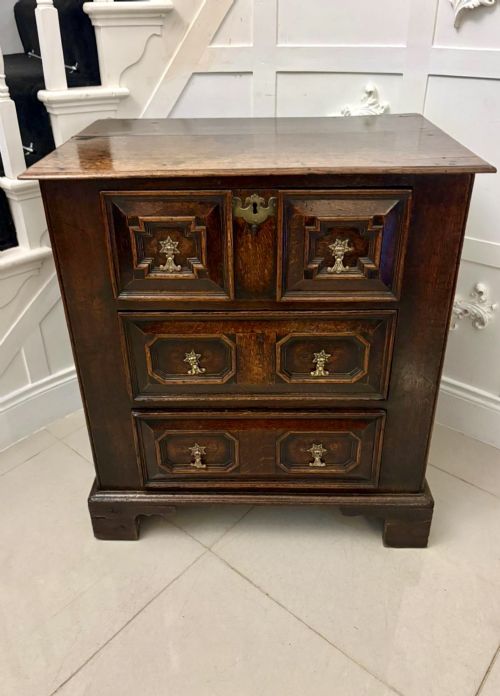
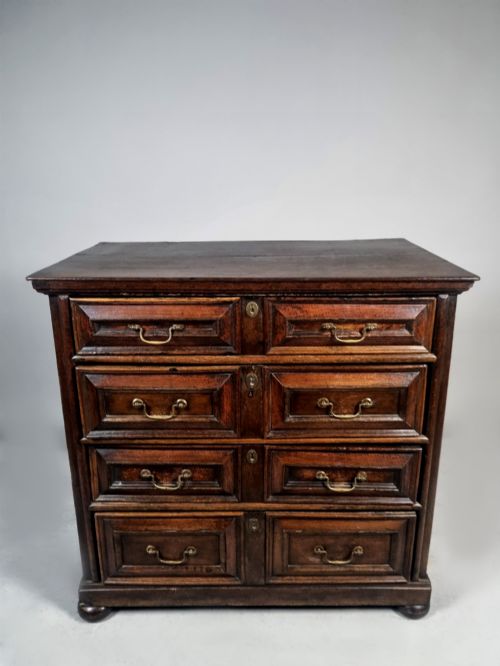
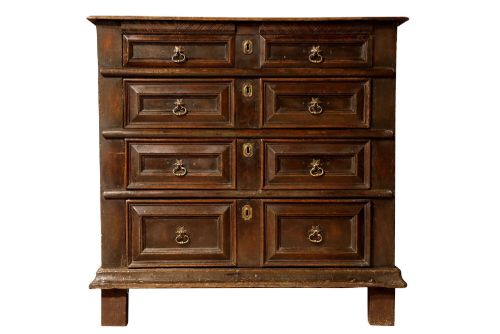
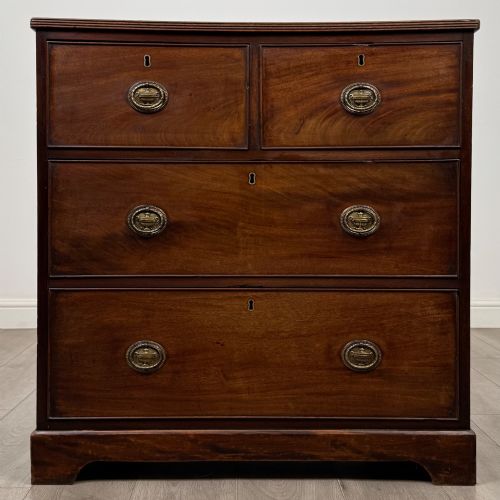
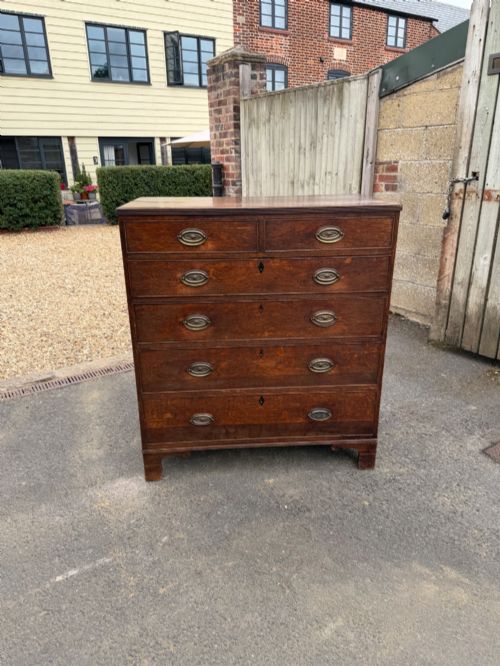
When searching for period bedroom drawers, you are looking at substantial timber storage pieces spanning from the seventeenth century through to the Victorian era. These items take various forms, including traditional chests of drawers, chest-on-chests, compactums, and smaller hall or bow front designs.
The most common examples met on this page are mahogany and oak chests dating from the Georgian and Regency periods. They range from simple two-over-three configurations to grander tall pieces designed for domestic utility.
Materials and Construction
Cabinet makers relied heavily on solid hardwoods like oak, mahogany, and walnut, often applying finely figured veneers to drawer fronts for visual depth. Secondary timbers such as pine or oak frequently form the interior drawer linings.
Joinery techniques involved hand-cut dovetails for drawer construction and pegged mortise and tenon joints for structural stability. Details like cast brass handles, iron locks, and bone escutcheons complete the assembly of these functional pieces.
Some nineteenth-century chests feature clever locking flaps and hidden writing drawers designed to keep family secrets safe from prying housemaids.
Assessing Quality and Character
Quality rests in the selection of timber figures, the crispness of the hand-cut dovetails, and the retention of original brass hardware. Pieces with well-figured mahogany or burr walnut command attention for their visual richness.
Proportions also dictate standard; narrower bow front chests and small-proportion Charles II oak examples demonstrate finer scaling than standard utilitarian furniture. The integrity of the secondary timbers and the smoothness of the drawer action separate standard examples from finer works.
J Moorcroft·Harris Lebus
The Period Bedroom Drawers Glossary
- Bow front
- A convex curved chest front popular during the Regency and Georgian periods. This shape softens the profile of the room and showcases figured mahogany veneers.
- Chest-on-chest
- A tall storage unit formed by stacking one chest of drawers directly on top of another. This tall form maximises vertical storage space in bedrooms.
- Secretaire
- A chest containing a fitted writing drawer that pulls down to reveal a leather surface and small compartments. It combines desk functionality with standard drawer storage.
- Wellington chest
- A tall, narrow chest of drawers secured by a hinged vertical locking flap on one side. This clever mechanism locks all drawers simultaneously with a single key.
- Dovetail
- A traditional interlocking joint used to join drawer sides to drawer fronts. Hand-cut variations indicate earlier craftsmanship before industrial routing tools became common.
Period Bedroom Drawers: Frequently Asked Questions
What defines a Georgian chest of drawers?
Georgian chests generally feature sturdy mahogany or oak construction with clean rectangular proportions and hand-cut dovetail joinery. They span the reigns of the Georges and focus heavily on practical storage.
Many examples incorporate brass drop handles and bracket feet, reflecting the evolving taste of eighteenth-century cabinet makers.
How do I spot a Regency period piece?
Regency drawers often showcase curved bow fronts, satinwood banding, and sometimes faux bamboo or classical revival details. The timber choice leans towards finely figured mahogany.
These pieces tend to feel lighter in scale than their heavy oak seventeenth-century predecessors, matching refined nineteenth-century interiors.
Where were these chests used?
These items were primarily made for private sleeping quarters to hold linens, garments, and personal items. Smaller hall chests were also placed in corridors and reception rooms.
Their robust construction meant they moved easily between rooms and houses over centuries of domestic life.
How do I care for antique timber drawers?
Keep wooden chests away from direct heat sources and drastic humidity changes to prevent the timber from warping or splitting. Regular dusting with a dry cloth maintains the finish.
Feed the dry wood periodically with a suitable traditional wax to preserve the depth of the old polish.