

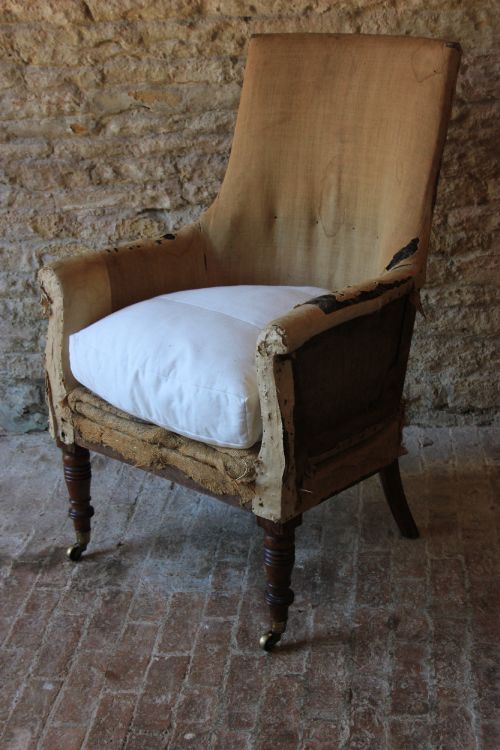
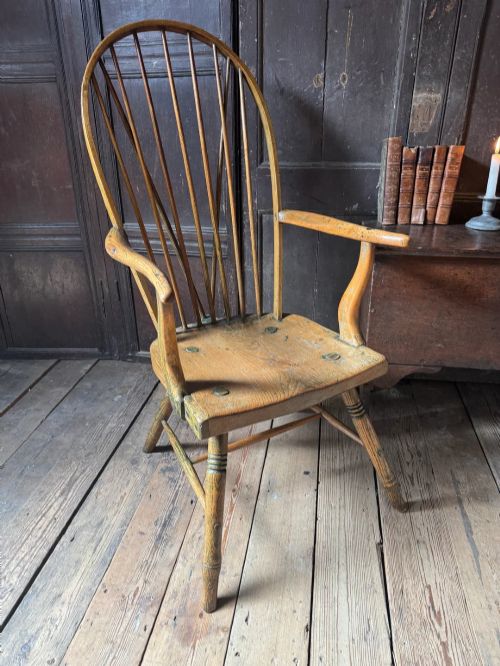
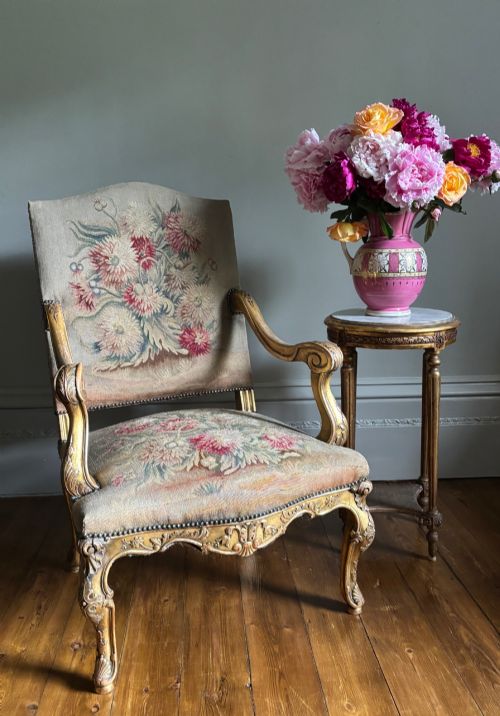
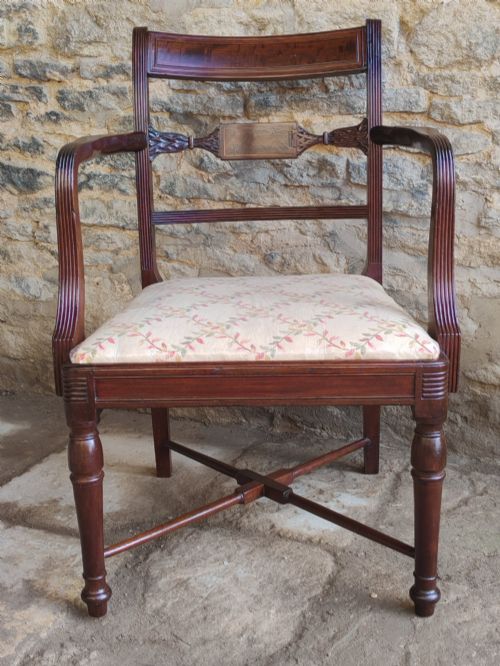
Period Armchair Furniture
Period armchair furniture brings centuries of British and continental craft straight to your living space, offering seating with genuine history and character.
Period Armchair Furniture
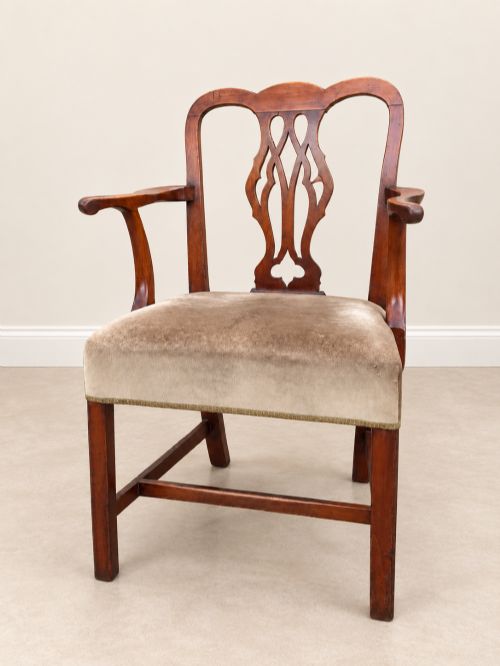
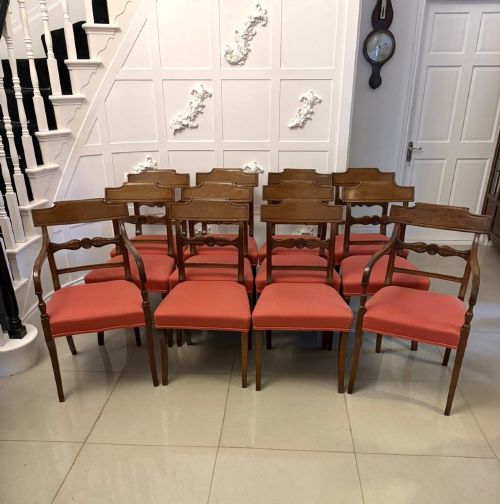
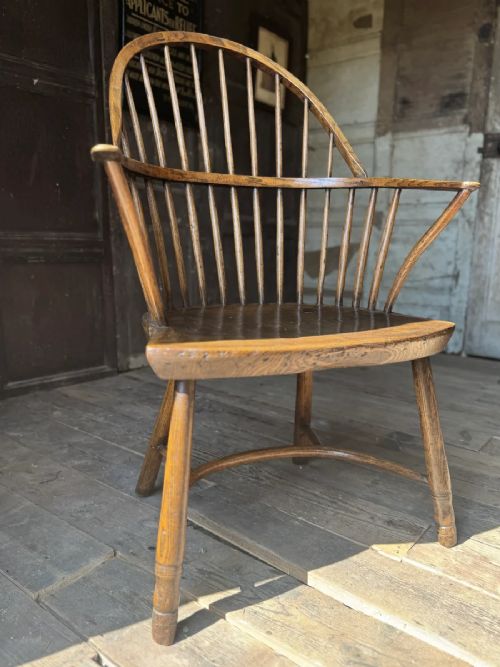
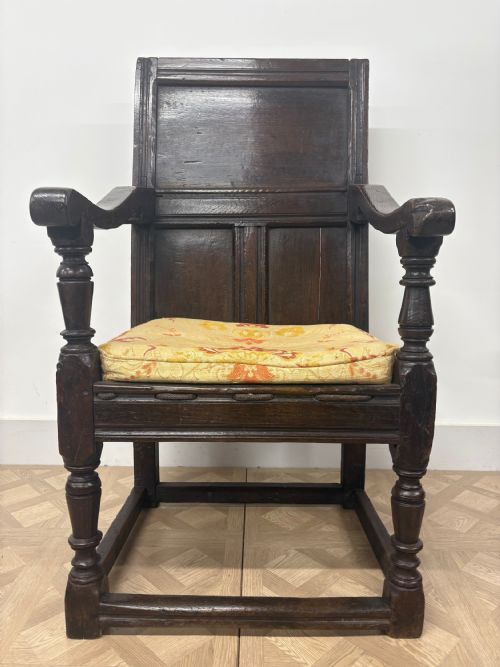
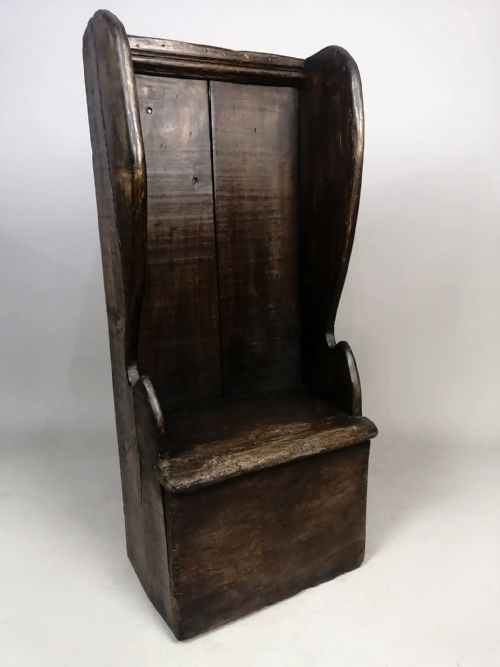
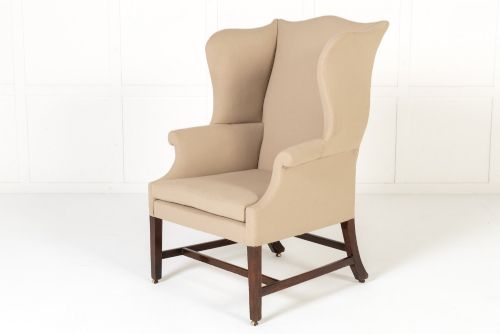
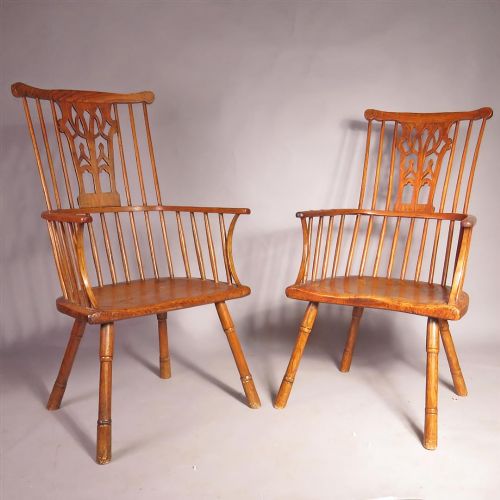
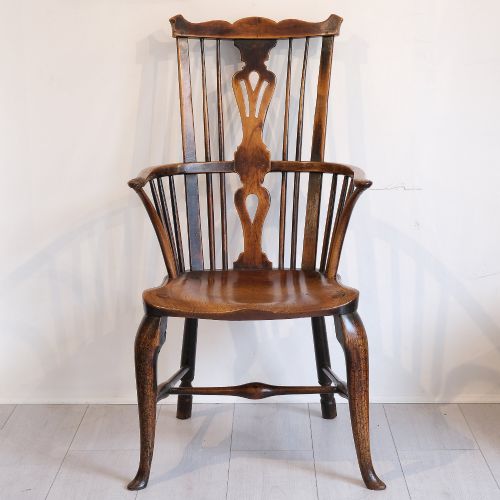
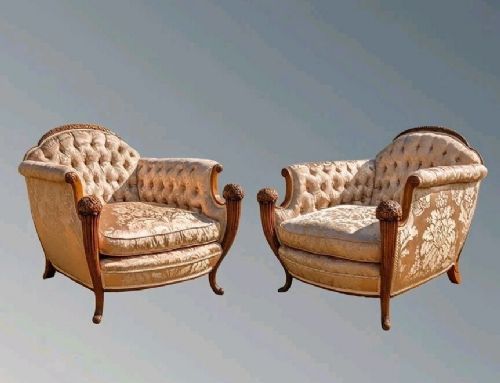
When you search for period armchair furniture, you encounter seating spanning from the seventeenth century through the Victorian era and beyond. These pieces encompass robust vernacular designs like oak wainscot chairs and country windisors, alongside formal mahogany dining carvers and upholstered library chairs.
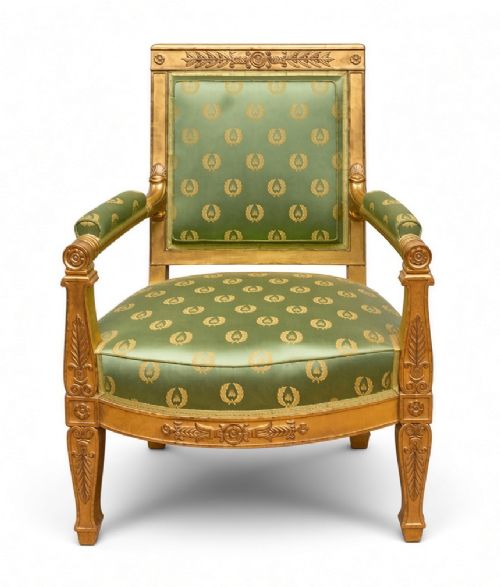
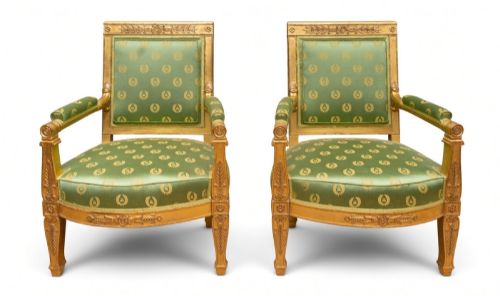
The selections on this page highlight a broad evolution of domestic seating. You will find early regional examples in solid oak and fruitwood sitting alongside refined Regency mahogany models and giltwood fauteuils.
Form follows function across these eras, shifting from heavy, upright seventeenth-century frames designed for warmth and status to lighter, more ergonomic shapes intended for reading, dining, and drawing rooms.
Materials and Construction Methods
Makers relied on native hardwoods including oak, elm, ash, mahogany, and walnut, selecting each timber for its specific structural properties. Joinery traditions involved mortise and tenon joints locked with wooden pins in early pieces, evolving towards sophisticated cabinetmaking techniques in later centuries.
Surface treatments and upholstery relied on traditional inputs like cane, leather, pure silk, and brass details. Turnery lathes shaped spindles and legs, while steam bending allowed craftsmen to form the continuous hoops seen on windsor chairs.
Period Armchair Furniture Retail Price Guide 2026
Typical asking prices for period armchair furniture among the pieces listed under this phrase on Sellingantiques today, from the lower quarter to the upper quarter. They describe what is for sale here now, not the wider market.
The available furniture includes dining chairs, child chairs, library seats, and garden furniture.
Assessing Craftsmanship and Survival
Quality rests in the integrity of the original timber and the survival of surface patination. Pieces retaining their initial joints and minimal replacement parts command greater regard than heavily restored examples.
Refinement of carving, the balance of proportions, and the ambition of the regional or workshop design separate standard utility seating from masterworks. The crispness of turning on stretchers and spindles indicates the skill of the hand that shaped it.
Maple and Co·Jacob Desmalter·Gillows
The Period Armchair Furniture Glossary
- Wainscot chair
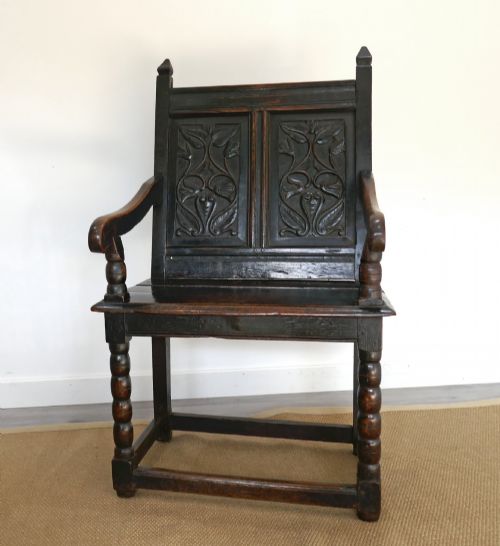
- A heavy wooden armchair constructed primarily of oak, featuring panelled backs and solid seats typical of the seventeenth century. These sturdy seats represented important household items.
- Carver chair
- An armchair designed to match a set of smaller dining chairs, traditionally placed at the head of a table. They often share stylistic traits with the accompanying dining chairs.
- Bergère
- An enclosed upholstered armchair with cane or upholstered sides originating in France. They frequently incorporate exposed wooden frames in mahogany, walnut, or ebonised finishes.
- Fauteuil
- An open-arm armchair with an exposed wooden frame, typically carved and gilded. These formal seats originated in French courts and salons.
Period Armchair Furniture: Frequently Asked Questions
How do I identify a 17th-century chair?
Seventeenth-century pieces typically feature heavy oak construction with panelled backs, box stretchers, and mortise and tenon joinery secured by wooden pegs.
Surface patination and tool marks from hand axes or adzes further distinguish these early Wainscot and vernacular seating forms.
What is a carver chair?
A carver chair is an armchair that matches a set of single dining chairs, traditionally used by the head of the household at the dining table.
These pieces share the exact stylistic details of the smaller chairs while offering the comfort of armrests.
Are Windsor chairs comfortable?
Windsor chairs utilise carved wooden seats shaped to fit the body, paired with supportive bow or comb backs.
While they lack soft upholstery, their ergonomic wooden contours provide surprising support for upright sitting.
How should I care for antique wood?
Protect antique wood by placing chairs away from direct heat sources and strong sunlight, which can dry out timber and split joints.
Applying occasional natural wax helps nourish the surface and preserve the historic patina built up over centuries.