




Period Accent Mirror
A period accent mirror brings reflective depth and historic character to a room, offering the precise decorative focus every interior scheme needs.
Period Accent Mirror
A period accent mirror serves primarily as a decorative wall hanging, drawing the eye while brightening smaller spaces with reflected light. When searching for a period accent mirror, buyers encounter a diverse selection of wall mirrors spanning several centuries of design evolution.
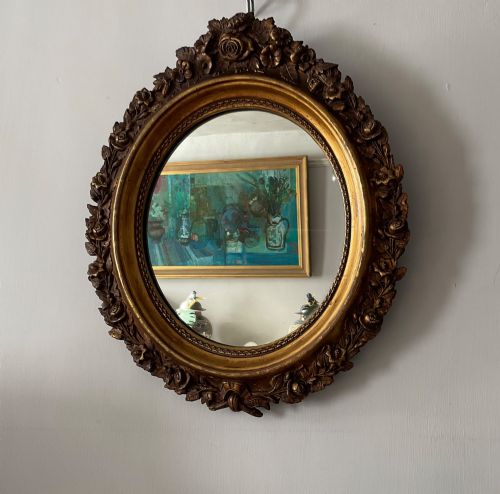
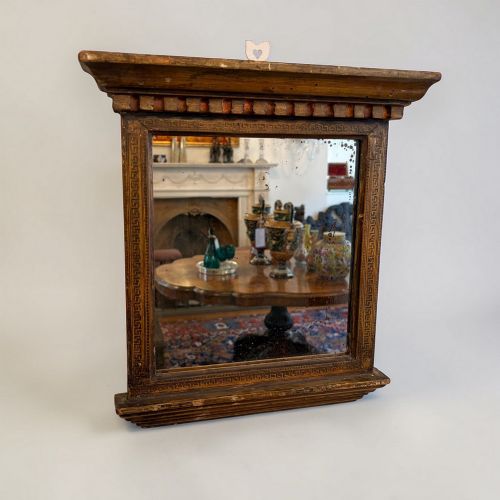
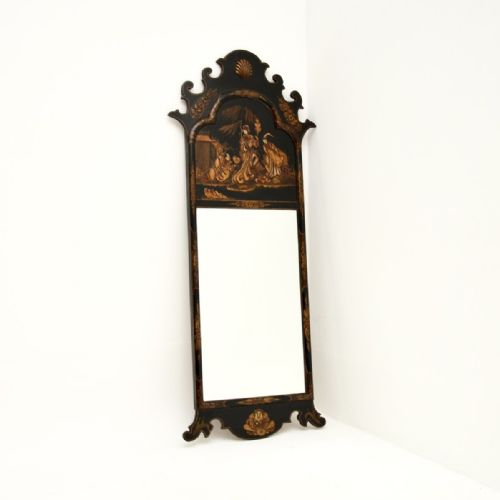
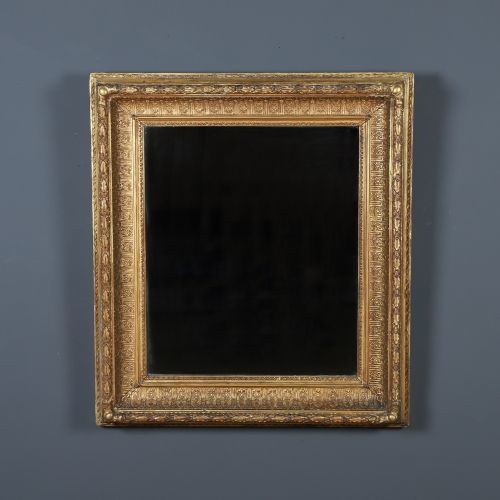
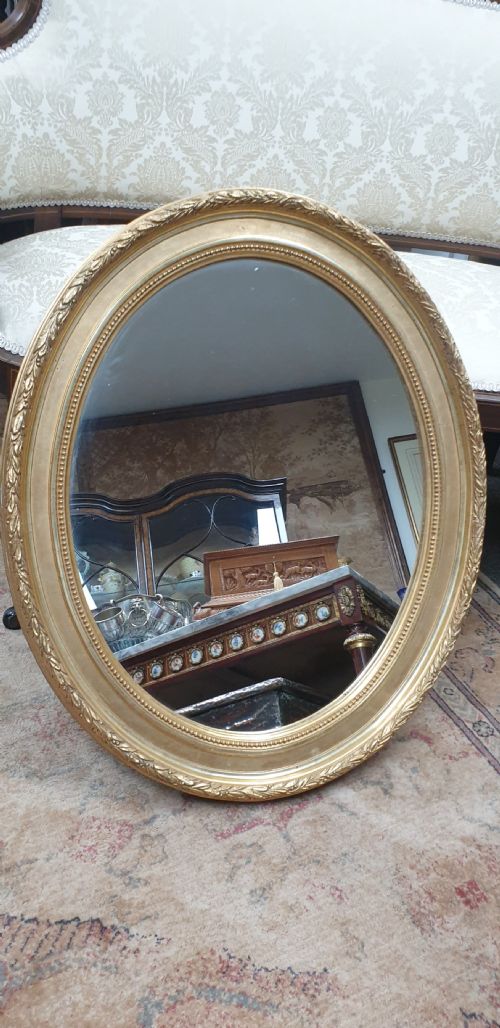
The assortment on this page ranges from Georgian and Regency examples to Victorian and Edwardian interpretations. Pier mirrors, convex mirrors, and overmantle pieces dominate the forms available, often displaying oval or rectangular formats suited to hallway or principal room placement.
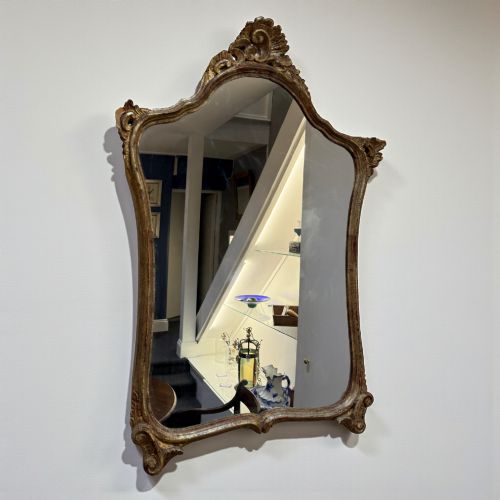
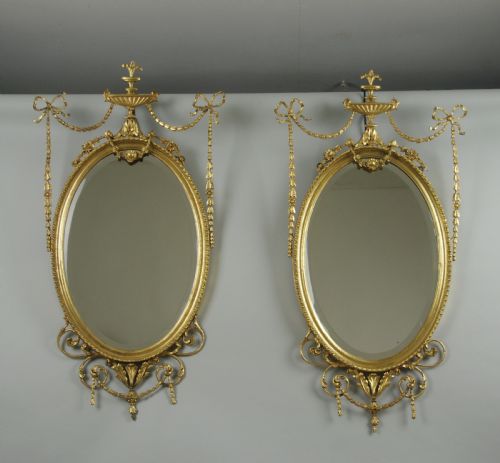
Origins vary across English and French workshops, encompassing distinct stylistic revivals such as French Rococo, Neoclassical, and George I revival designs. Buyers frequently select these pieces to anchor a mantelpiece or to provide a striking focal point on a plain wall.
How they were made
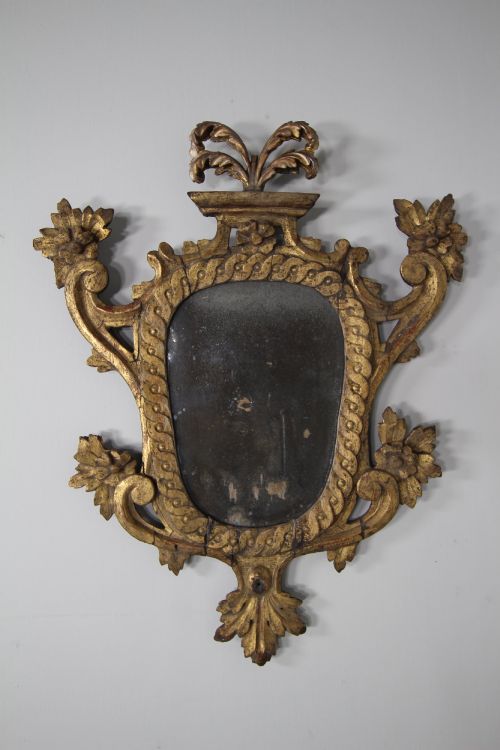
Construction relies heavily on traditional timber frames enriched with gesso and giltwood applications. Carved wood provides the structural foundation for many pieces, allowing intricate surface ornamentation that takes gold leaf or gilt finishes.
Composition material appears frequently in moulded decorative elements, capturing the crisp relief of Neoclassical and Victorian ornamentation. Lacquer finishes also feature in specific regional interpretations, notably in Chinoiserie designs requiring layered surface preparation.
Period Accent Mirror Retail Price Guide 2026
Typical asking prices for period accent mirror among the pieces listed under this phrase on Sellingantiques today, from the lower quarter to the upper quarter. They describe what is for sale here now, not the wider market.
Materials recorded across these wall mirrors include traditional giltwood, gesso, composition, and lacquer.
What varies in quality
The refinement of the carved detail distinguishes standard items from superior examples. Crisp execution in gesso and wood carving indicates a higher tier of craftsmanship during the manufacturing process.
Originality of the silvered glass and the depth of the gilding further determine the merit of an individual piece. Surface preservation and the integrity of the original frame construction guide a discerning eye.
John Belchier
The Period Accent Mirror Glossary
- Giltwood
- Wood that has been prepared and coated with a thin layer of gold leaf. This finish defines the reflective warmth of many traditional frames.
- Gesso
- A plaster-like mixture applied to wood frames and carved or moulded into intricate decorative patterns before gilding. It provides the smooth base required for fine metallic leaf.
- Pier mirror
- A tall wall mirror designed specifically to hang on the narrow section of wall between two windows. These pieces often feature proportions that draw vertical attention.
- Convex mirror
- A round mirror featuring a curved, outward-bulging glass surface that yields a wide-angled panoramic reflection of the interior. Regency examples frequently utilise this optical form.
- Chinoiserie
- A European decorative style reflecting Chinese artistic influences, often characterised by lacquered surfaces and painted motifs. Georgian interpretations showcase this distinct aesthetic.
Period Accent Mirror: Frequently Asked Questions
Where should I hang a period accent mirror?
These mirrors suit placement above a fireplace mantelpiece, in a hallway, or between windows to maximise natural light.
Ensure the wall structure can support the weight of traditional timber and gesso frames before hanging.
How do I identify a Regency convex mirror?
Regency convex mirrors typically feature a circular format with a rounded, protruding glass surface that captures a wide field of view. They often incorporate gilt frames adorned with ball details or eagle crests.
Their optical properties make them distinct from standard flat wall mirrors of the same era.
What defines an Edwardian gilt mirror?
Edwardian gilt mirrors often present lighter, refined interpretations of earlier Georgian or Adam styles. They frequently utilise oval formats with delicate moulded frames.
These pieces bring a subtle decorative brightness without overwhelming smaller interior spaces.
How do I care for antique giltwood frames?
Dust giltwood and gesso surfaces gently with a soft, dry brush to prevent accumulation without disturbing the delicate metallic leaf. Avoid liquid cleaners and moisture entirely.
Stable indoor humidity preserves the structural integrity of the underlying wood and composition ornaments.