



Pedestal Plant Pots
Pedestal plant pots bring architectural lift and sculptural weight to interior rooms and garden terraces alike.
Pedestal Plant Pots
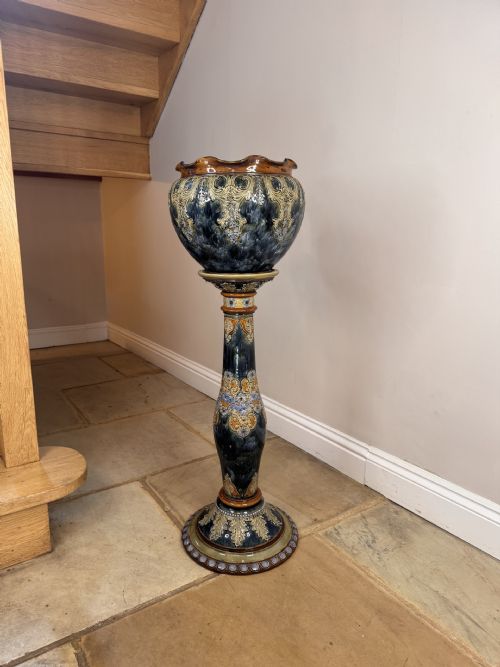
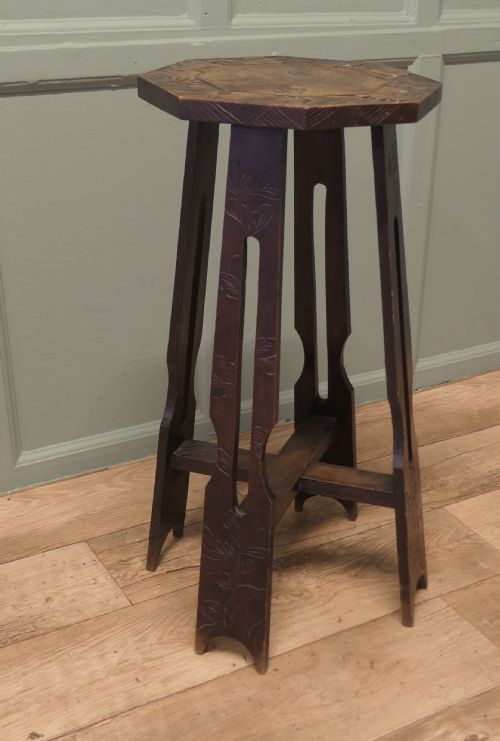
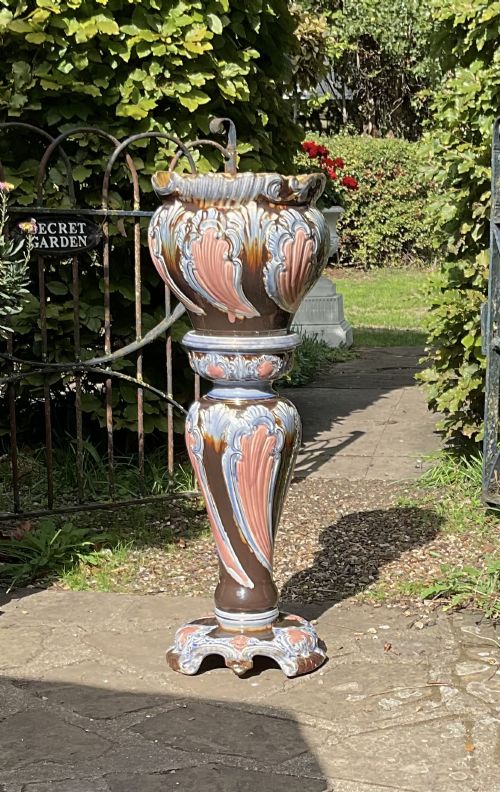
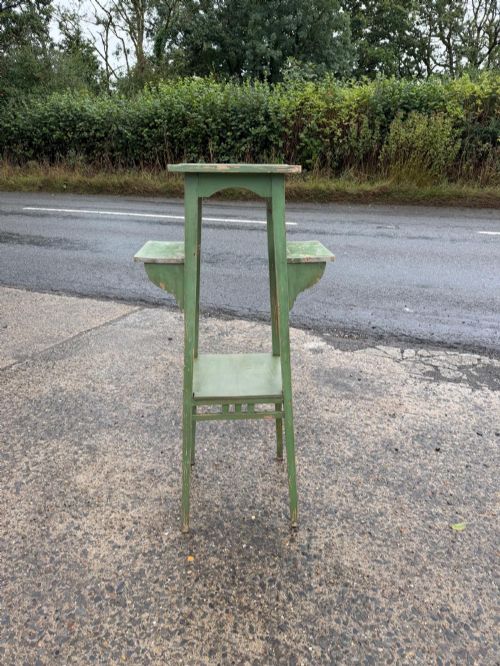
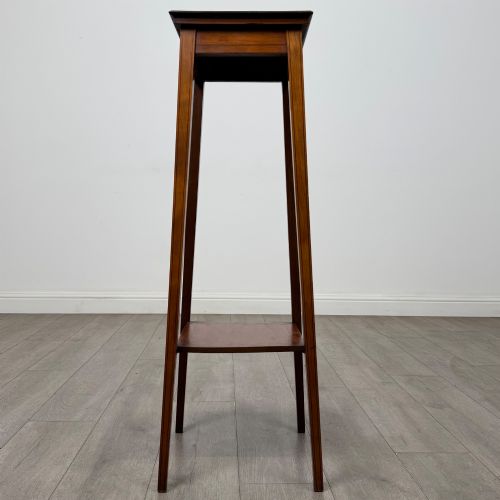
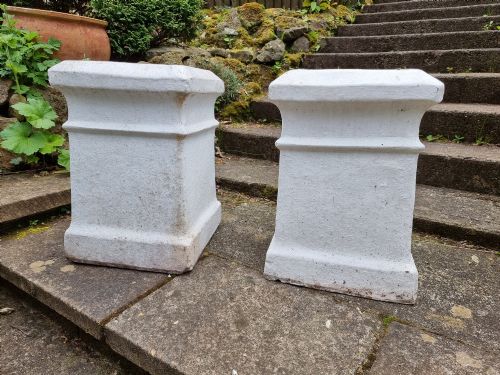
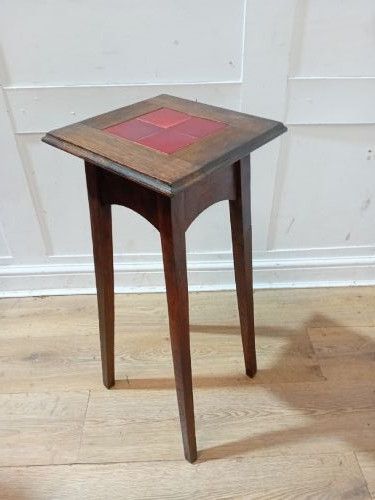
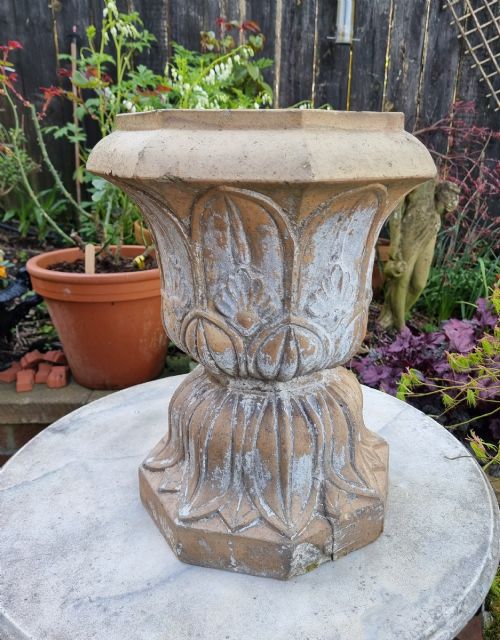
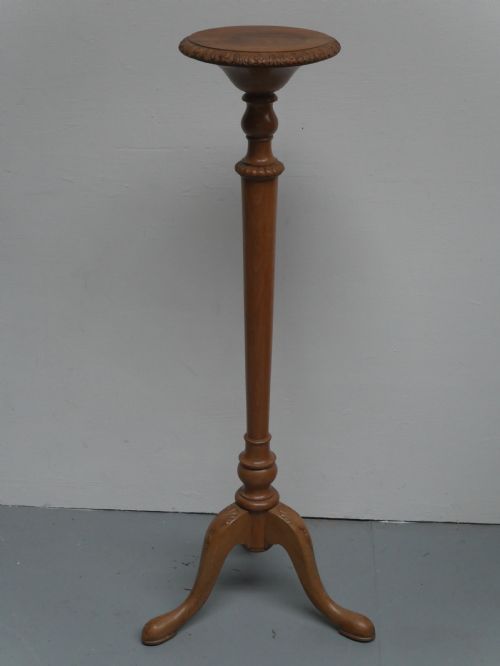
Pedestal plant pots combine a raised column or base with an upper vessel for displaying botanical specimens indoors and out. The pieces on this page span the Victorian and Edwardian eras, taking the form of tall plant stands, garden urns on plinths, and matched pairs of jardinieres.
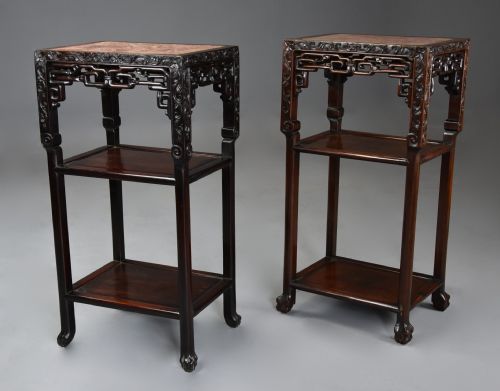
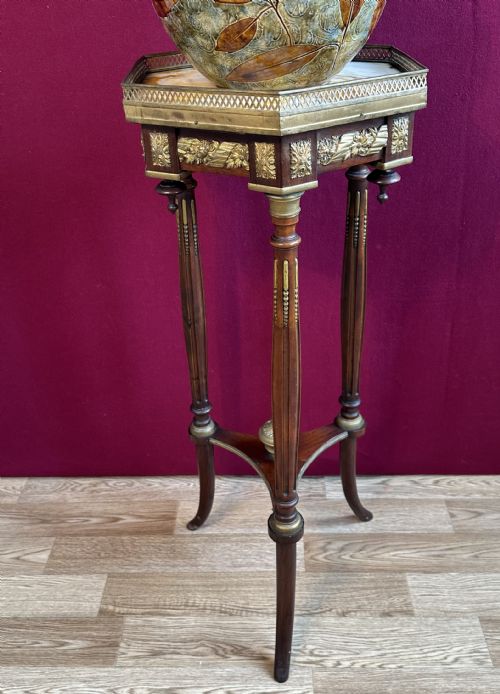
Origin and stylistic influences stretch from traditional British domestic cabinetmaking to Chinese export pieces in carved hardwood and intricate Dutch brass work. Forms range from simple octagonal and cylindrical shapes to classical campana garden urns and neoclassical revival designs.
Materials and construction
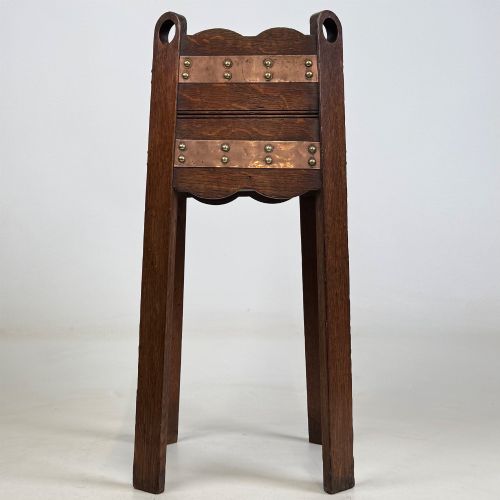
Woodworking traditions utilise dense timbers like mahogany, walnut, oak, and satinwood, frequently enhanced by fine inlay work, ebonised finishes, or original paint. Cabinetmakers constructed these stands with sturdy joints and turned shafts to support the considerable weight of damp soil and mature plants.
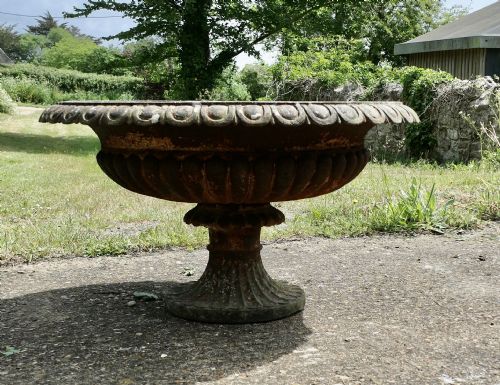
Metalworking techniques bring durability to outdoor garden urns through heavy cast iron, while indoor stands employ polished brass and copper details. Ceramic vessels rely on earthenware and majolica bodies finished with rich coloured glazes, salt glazing, or decorative Slaterware texturing.
Natural stone and marble feature prominently as inset tops for Chinese hardwood stands and solid surfaces for architectural plant tables. Coopered barrel construction appears in wooden indoor planters, binding staves together with brass bands for strength.
Pedestal Plant Pots Retail Price Guide 2026
Typical asking prices for pedestal plant pots among the pieces listed under this phrase on Sellingantiques today, from the lower quarter to the upper quarter. They describe what is for sale here now, not the wider market.
A few defiant plants have survived decades on these very stands without ever learning the botanical names of their pots.
Assessing quality
Quality in these stands rests on the integrity of the materials and the crispness of the carving or casting. Pieces featuring solid hardwoods, substantial cast iron, or thick marble insets demonstrate superior substance compared to lighter, veneered alternatives.
The presence of matching original components, such as a jardiniere resting on its designated pedestal or a brass bowl paired with its specific stand, elevates a piece. Evidence of thoughtful detailing like hand-carved ornamentation, original paint schemes, and durable coopered joinery distinguishes finer workshops from standard production.
Liberty And Co·Burmantofts·Royal Doulton
The Pedestal Plant Pots Glossary
- Campana urn
- A bell-shaped garden vessel with an everted rim and a footed base, frequently mounted upon a square plinth.
- Jardiniere
- An ornamental pot or stand designed to hold a plant or flower arrangement, typically manufactured from ceramic, brass, or carved wood.
- Slaterware
- A distinctive late nineteenth century ceramic technique involving lace pressed into clay surfaces to create textured, patterned finishes.
- Majolica
- A heavy earthenware pottery covered with an opaque tin-glazed enamel, known for bright coloured decoration.
Pedestal Plant Pots: Frequently Asked Questions
What is a pedestal plant pot?
A pedestal plant pot is a raised container or a separate combination of a columnar stand and an upper bowl used for elevating foliage.
These structures elevate greenery to eye level, protecting interior floors and drawing the eye upward in interior design schemes.
Where should cast iron urns go?
Cast iron urns suit outdoor garden settings, courtyards, and patio spaces due to their weather-resistant metal construction.
Their heavy weight keeps them stable against wind and the elements, making them ideal anchor points for garden paths.
How do I care for wooden stands?
Wooden plant stands require protection from standing water and damp soil to prevent timber warping and finish damage.
Using a waterproof liner inside the pot preserves the antique wood underneath while allowing regular plant maintenance.