




Pearl Gemstone Ring
A pearl gemstone ring brings together organic lustre and coloured stones, offering a timeless choice for everyday wear or special occasions.
Pearl Gemstone Ring
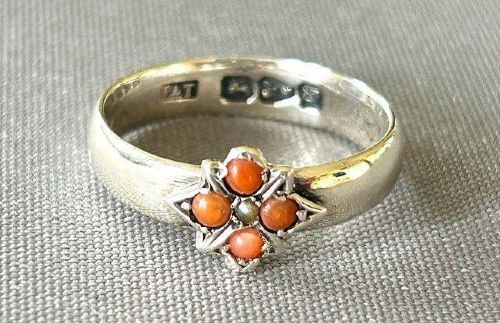
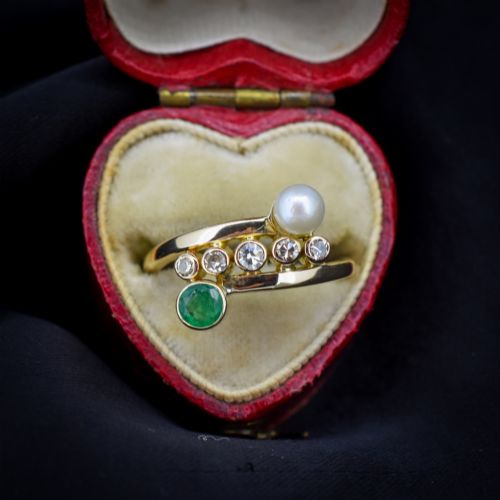
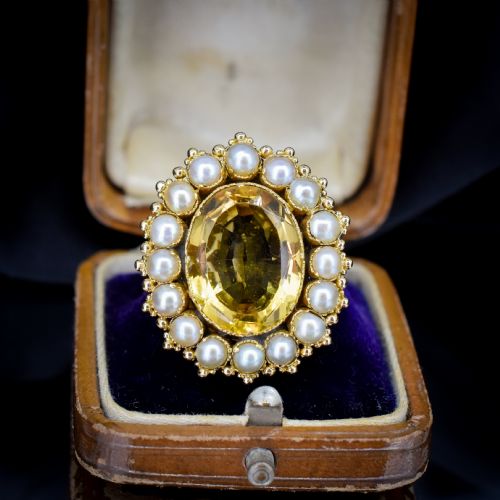
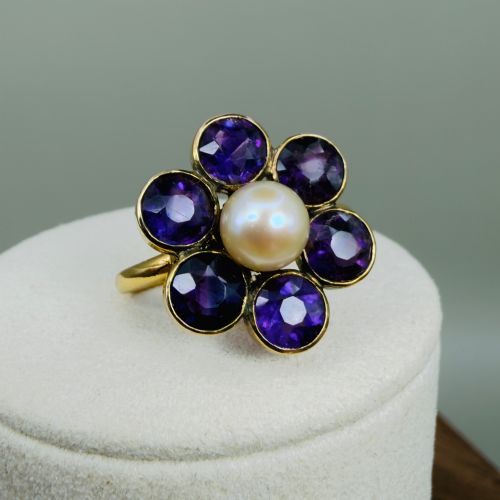
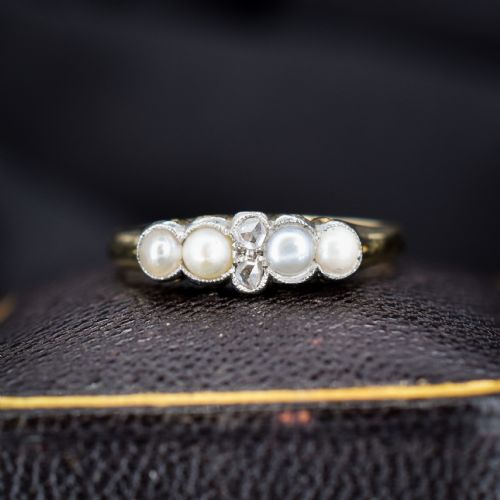
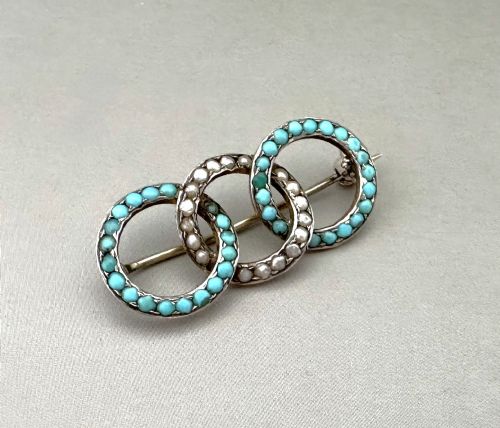
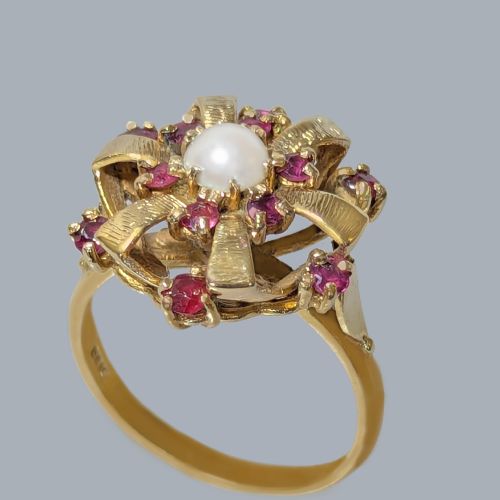
A pearl gemstone ring combines natural pearls with accent stones such as diamond, ruby, turquoise, and amethyst set into precious metal bands. These pieces span historical periods from the Georgian era through the Victorian and Edwardian periods into the mid-century.
Materials and construction
Goldsmiths worked primarily in 15ct and 18ct yellow or rose gold, alongside silver gilt and lower carat options, to build secure settings for delicate pearls. Stones were secured using traditional claw settings, bezels, and flush mounts tailored to the organic shape of the gems.
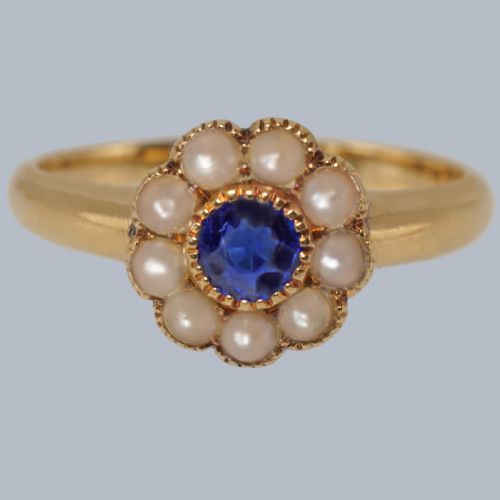
Cluster and halo designs dominated production, often incorporating seed pearls or split pearls alongside rose-cut and old-cut diamonds. Metalwork frequently featured delicate bypass twists, navette shapes, and engraved band details executed by hand.
Pearl Gemstone Ring Retail Price Guide 2026
Typical asking prices for pearl gemstone ring among the pieces listed under this phrase on Sellingantiques today, from the lower quarter to the upper quarter. They describe what is for sale here now, not the wider market.
Listings feature 18ct gold, 15ct gold, and 9ct gold alongside silver gilt, paired with pearls, diamonds, rubies, turquoise, and amethysts.
What sets individual pieces apart
Quality rests on the integrity of the pearl surface, the matching of secondary gemstones, and the preservation of the original metal setting. Lustre and uniform matching in multi-stone clusters distinguish higher grade examples from simpler work.
The precision of the mounting and the survival of original components without modern replacement parts dictate the standing of a piece. Heavier gold weights and hallmarked provenance provide additional distinction among similar period items.
The Pearl Gemstone Ring Glossary
- Seed pearl
- A very small, naturally occurring pearl, often drilled and threaded or set closely together in Victorian and Edwardian clusters.
- Split pearl
- A whole pearl cut or sawn in half, usually glued to a backing plate to sit flush within a shallow gold mount.
- Navette
- A boat-shaped ring design that tapers to sharp points at either end, also known as a marquise cluster.
- Trilogy ring
- A ring featuring three primary stones set in a row, frequently combining pearls with diamonds or rubies.
Pearl Gemstone Ring: Frequently Asked Questions
How do I clean an antique pearl ring?
Pearls are organic gems that require gentle care, avoiding harsh chemicals, ultrasonic cleaners, and abrasive cloths that can strip their natural lustre. Wipe them softly with a damp cloth after wearing and store them away from harder jewellery pieces.
Gold bands can be polished carefully with a specialist cloth while taking care to avoid direct contact with the pearls. Professional inspection of the settings ensures the pearls remain secure in their original mounts.
Are these pearls natural or cultured?
The listings span historical eras where natural pearls were standard, alongside mid-century pieces that incorporate cultured pearls. Period context from Victorian and Edwardian examples points towards natural saltwater or freshwater origins.
Examining the drill holes and surface texture under magnification helps determine the origin. Expert appraisal can confirm whether pearls are natural or cultured based on internal structure.
What metals were used in these rings?
Goldsmiths utilised 15ct and 18ct yellow and rose gold extensively throughout the Victorian and Edwardian periods. Lower carat gold and silver gilt also appear across specific regional or stylistic pieces.
Hallmarks stamped inside the shank often indicate the precise metal purity and the assay office of origin. Testing confirms the gold content when stamps have worn away over decades of careful wear.
How can I tell a Victorian ring from an Edwardian one?
Victorian pieces often feature robust 15ct gold settings, rich turquoise and garnet clusters, and heavier yellow or rose gold bands. The aesthetic leans towards sentimental and romantic motifs with substantial metal presence.
Edwardian rings frequently utilise lighter 18ct gold or platinum-topped mountings, incorporating diamonds and emeralds in airy, lace-like Belle Époque designs. The focus shifts towards bright, refined contrast and delicate openwork.