


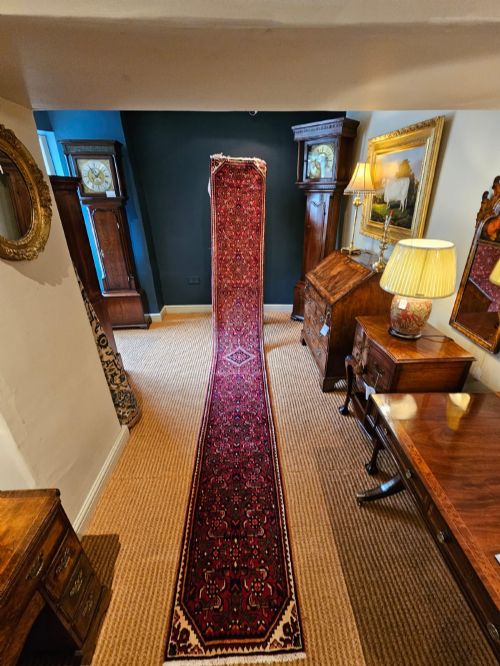
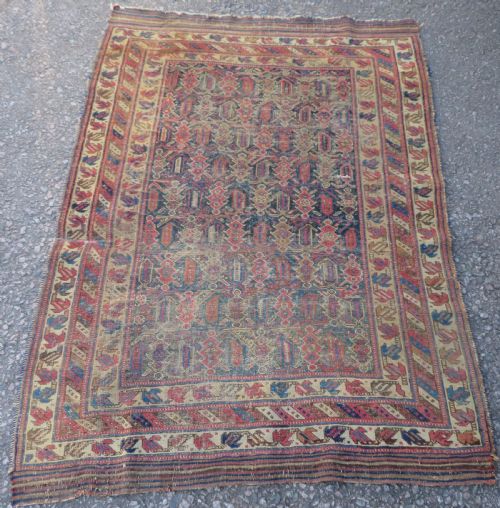
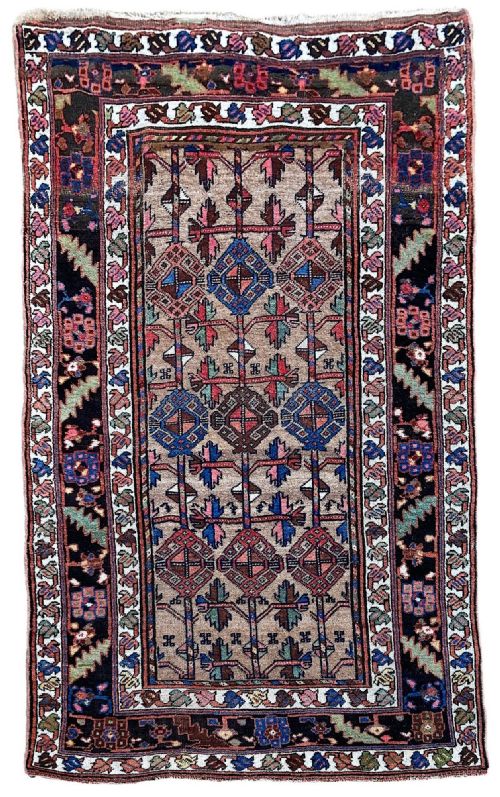
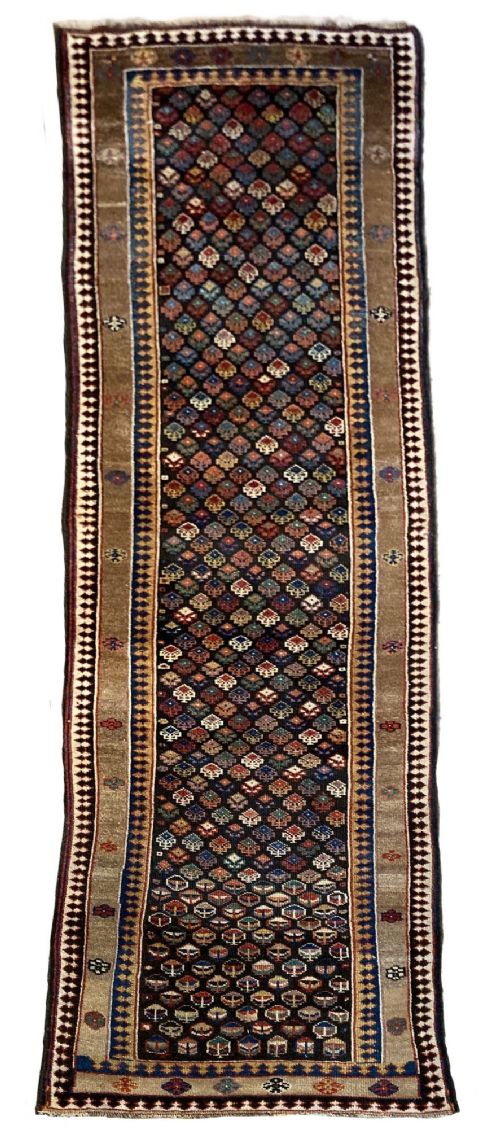
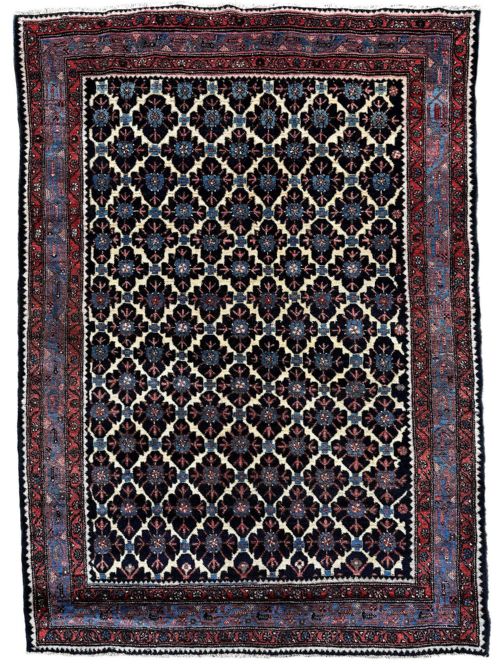
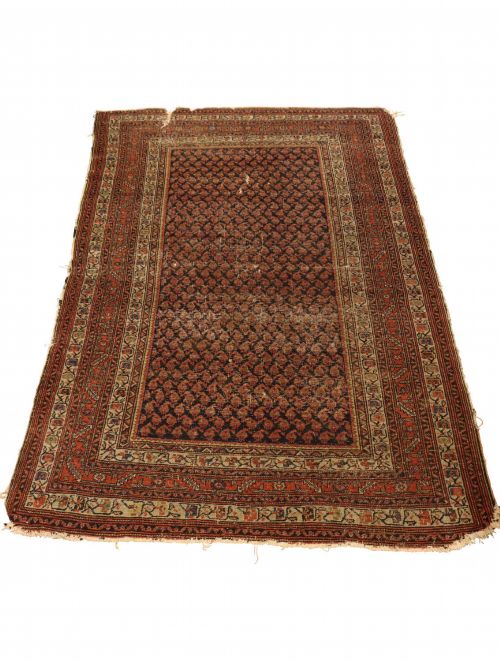


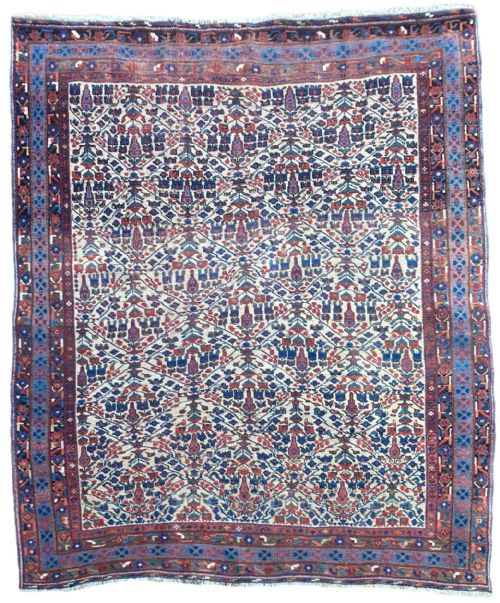

Patterned Persian Wool Runner
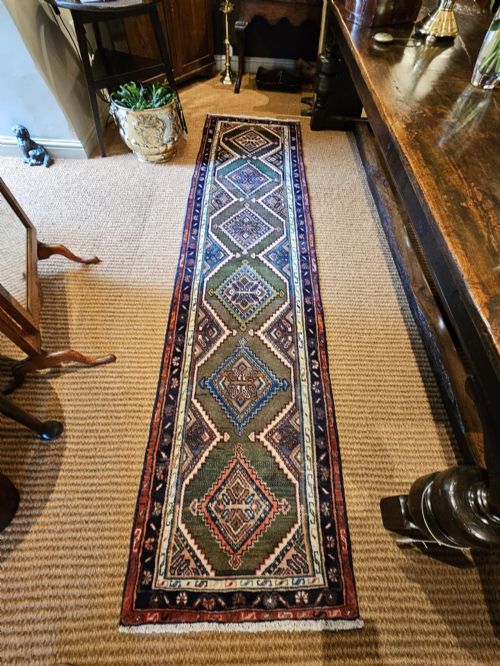
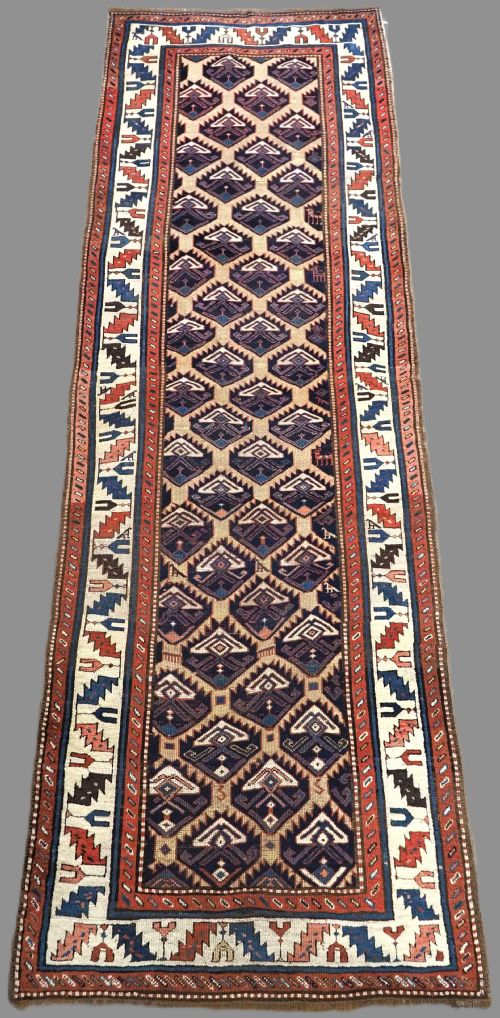
When you search for a patterned persian wool runner, you are looking for a long, narrow carpet woven by traditional makers in regional styles.
Patterned Persian Wool Runner
A patterned persian wool runner serves narrow spaces like hallways and corridors with elongated formats designed to handle foot traffic. These long floor coverings emerge from regional weaving traditions across Persia, the Caucasus, and surrounding tribal territories.
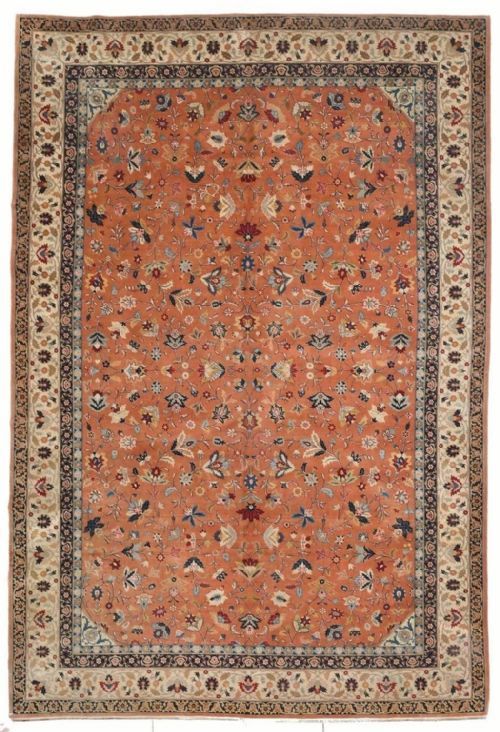
The selections span from the late nineteenth century through the early decades of the twentieth century, capturing periods of distinct village and nomadic production. Buyers encounter formats ranging from compact hallway runners to longer gallery lengths incorporating geometric lattices and floral motifs.
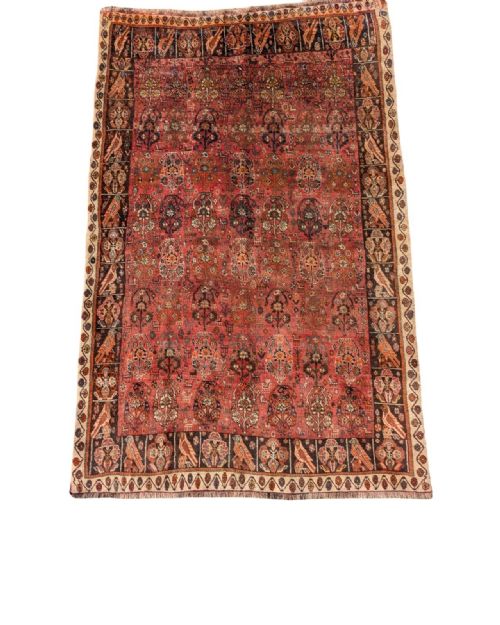
Tribal and village pieces dominate the selection, including Kurdish, Afshar, Malayer, and Heriz examples alongside Caucasian varieties. Each piece reflects the specific weaving vocabulary of its district, from repeat shrub designs to boteh patterns.
What varies in quality
The refinement of the knotting and the density of the weave dictate the crispness of the geometric and floral patterns. Tighter foundations support more intricate drawing in runners from centres like Seneh or Heriz.
The quality of the wool impacts the handle and the longevity of the pile, with hand-spun wool offering greater depth and variation in texture. The integrity of the original edges and ends also separates well-preserved examples from those requiring substantial conservation.
Listings feature pieces spanning the nineteenth century and the decades up to 1930, utilising wool and hand-spun wool materials.
The Patterned Persian Wool Runner Glossary
- Boteh
- A traditional teardrop or almond-shaped motif representing a floral spray, cypress tree, or flame. This ancient symbol appears frequently in tribal and village weaving.
- Runner
- A long, narrow carpet format specifically proportioned for hallways, corridors, and stairs. These pieces guide movement through domestic architectural spaces.
- Hand-Knotted
- A construction method where individual lengths of yarn are tied by hand to the warp threads of the foundation. This intensive process creates a durable pile.
- Warp
- The vertical foundation threads stretched tightly on the loom before weaving begins. The fringe of the rug forms from the exposed ends of these threads.
- Tribal
- Describing textiles produced by nomadic or semi-nomadic groups working within family or clan traditions. These designs rely on memory and tribal iconography rather than urban workshops.
Patterned Persian Wool Runner: Frequently Asked Questions
Where should I place a runner?
These narrow formats suit hallways, corridors, entryways, and narrow gallery spaces where a full-sized carpet will not fit. Their elongated proportions guide the eye and direct foot traffic along architectural paths.
Ensure the space allows for doors to swing clear of the pile thickness. Underlays help keep long runners secure on smooth flooring surfaces.
How do I care for wool rugs?
Vacuum gently across the surface using suction rather than a rotating brush roll that can catch the pile or fringe. Address spills promptly by blotting with a clean, dry cloth rather than rubbing the fibres.
Rotate the runner periodically to ensure even wear across the length from foot traffic and exposure to light. Professional cleaning by specialists in antique textiles preserves the natural lanolin in the wool.
What is the difference between village and tribal pieces?
Tribal runners originate from nomadic or semi-nomadic groups weaving on portable looms with memory-based designs. Village pieces come from settled communities operating within established regional workshops and local market towns.
Both categories share a direct connection to traditional handcraft methods, differing primarily in the structure of the community that produced them.
How do I identify the age of a runner?
Age assessment relies on examining the materials, dye palette, weave structure, and wear patterns across the piece. Nineteenth-century examples often feature hand-spun wool and specific natural dye combinations distinct from later twentieth-century production.
Structural traits such as selvedge construction and foundation materials provide further clues to the period of origin.