




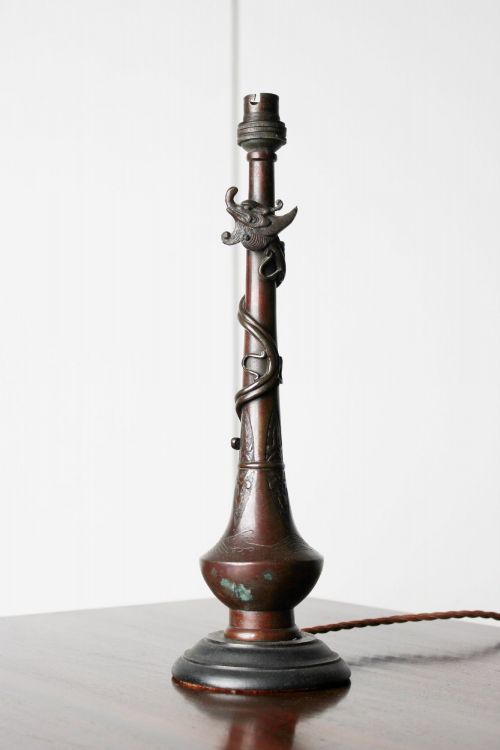


Patinated Metal Table
A patinated metal table brings depth and texture to a room, offering robust surfaces shaped from bronze, brass, iron, and copper across various historic periods.
Patinated Metal Table
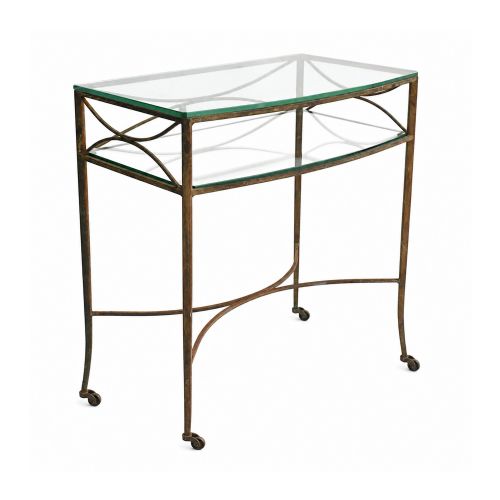
A patinated metal table encompasses occasional furniture, console tables, and coffee tables built from durable materials like iron, brass, and copper that have developed rich surface patinas over time. You will encounter pieces ranging from early twentieth-century cast-iron console tables to Art Deco coffee tables and French iron, brass, and copper designs.
The form spans functional surfaces designed for daily use alongside decorative occasional pieces originating from the nineteenth century through the 1930s. Makers and manufacturers utilised industrial metals and mixed media, often pairing metal bases with marble or glass tops to create utilitarian yet ornate furnishings.
How they were made
Construction relies heavily on casting, hammering, and forging techniques applied to metals such as bronze, brass, copper, and cast iron. Artisans shaped these materials into structural frames, console supports, and table bases, frequently incorporating mixed metal elements or combining metal with glass and marble.
Surface finishes were achieved through natural oxidation, chemical treatments, or applied patination to create distinct tonal variations on the metal. Skilled metalworkers utilised riveting, welding, and joinery to assemble frames, ensuring the structural integrity of tables intended for domestic settings.
Patinated Metal Table Retail Price Guide 2026
Typical asking prices for patinated metal table among the pieces listed under this phrase on Sellingantiques today, from the lower quarter to the upper quarter. They describe what is for sale here now, not the wider market.
Listings feature iron, brass, and bronze forms spanning the 19th century, Victorian era, and Art Deco period.
What varies in quality
Quality reveals itself in the precision of the casting and the depth of the metalworking, where crisp details and deliberate hammering distinguish superior examples from standard production. The integrity of the structural joints and the stable integration of secondary materials like marble or glass tops indicate the maker's level of skill.
The character of the patination significantly influences a piece's visual appeal, with organic, undisturbed surface wear holding greater aesthetic merit than heavy-handed cleaning or artificial re-coloring. Heavier gauge metals and thoughtful proportioning in console and coffee table designs separate finer workshop output from simpler utilitarian items.
R Varnier·Claude Michel Clodian·Frederic Remington·Wilhelm Wagenfeld·Gregoire
The Patinated Metal Table Glossary
- Patination
- The natural or induced coloration on the surface of metal resulting from age, wear, or chemical treatment. This process creates distinct hues and depth that bare metal lacks.
- Cast Iron
- An iron-carbon alloy poured into a mould to create complex shapes and sturdy furniture frames. It provides exceptional weight and rigidity for early twentieth-century console tables.
- Console Table
- A side table designed to stand against a wall, frequently featuring ornamental legs or brackets. These pieces often incorporate metal frames paired with stone or glass surfaces.
- Amsterdam School
- An early twentieth-century architectural and design movement known for expressive brickwork, organic forms, and rich metal detailing. Pieces from this style often feature hammered brass and copper components.
Patinated Metal Table: Frequently Asked Questions
What metals are used in these tables?
These tables incorporate a variety of metals, most notably bronze, brass, copper, cast iron, and wrought iron. Makers frequently selected these materials for their durability and capacity to hold rich surface patinas.
Secondary elements such as gilt bronze or mixed metal plating also appear on specific examples, contributing to the decorative surface texture.
How do I care for patinated metal surfaces?
Maintaining a patinated metal surface requires gentle dusting with a dry, soft cloth to prevent the accumulation of abrasive particles. Avoid harsh chemical cleaners or abrasive polishes that can strip away the historical oxidation layer.
Applying a microcrystalline wax can protect vulnerable metal surfaces from moisture while preserving the existing tone and finish.
How do I identify an Art Deco metal table?
Art Deco metal tables typically feature geometric lines, stylised motifs, and streamlined forms that reflect the design ethos of the 1920s and 1930s. They often showcase a combination of industrial metals with contrasting top surfaces.
Design influences from this period lean towards functional elegance, clean silhouettes, and sophisticated surface patination.
Where were these metal tables used historically?
Historically, metal tables served functional and decorative roles in drawing rooms, hallways, and garden spaces depending on their construction. Iron and copper variations were frequently suited for transitional spaces or conservatory settings.
Console tables and coffee tables provided sturdy surfaces for display, anchoring domestic interiors with solid metal frames and contrasting tops.