



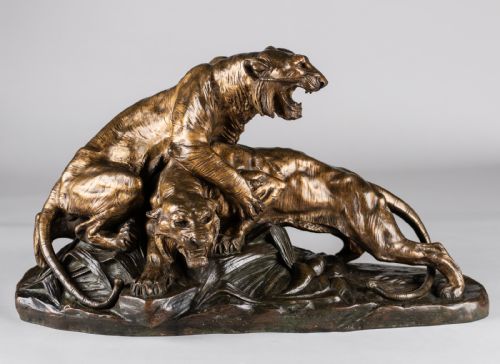


Patinated Bronze Cat Figurine
A patinated bronze cat figurine brings fierce feline presence into a room, cast in solid metal and darkened by age.
Patinated Bronze Cat Figurine
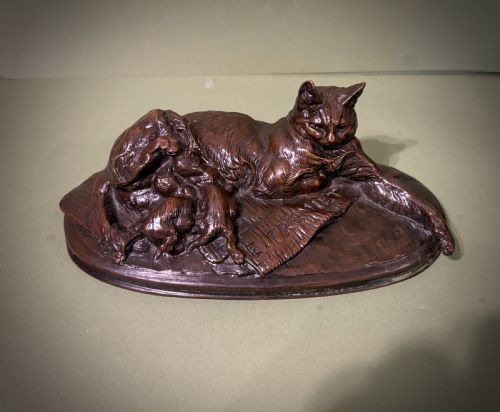
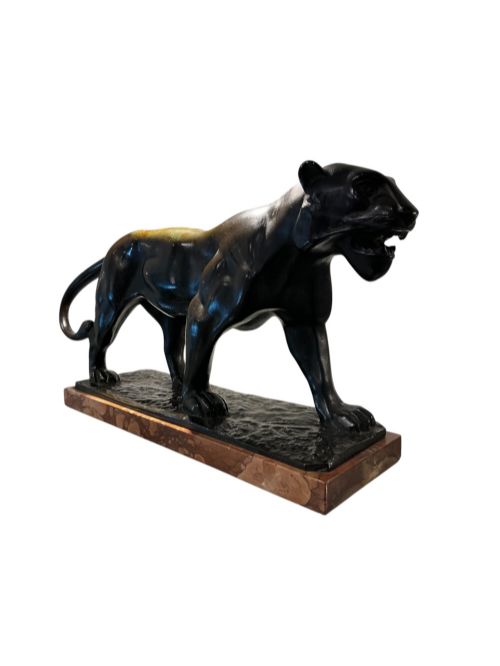
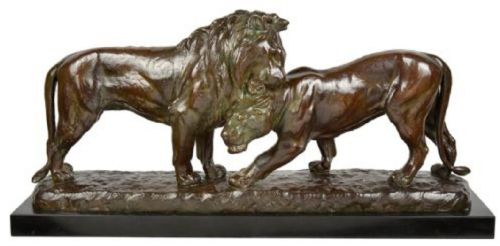
When you search for a patinated bronze cat figurine, you are looking at small and large sculptures depicting wild felines such as panthers, lions, tigers, and domestic cats. These pieces capture the muscular forms and predatory grace of big cats through metal casting.
The versions you are most likely to meet on this page span the nineteenth century up to the mid-twentieth century, with strong representation from the Art Deco period and French Animalier schools. They frequently incorporate integrated bases of marble to support the heavy metal weight.
Makers rendered these animals in moments of quiet repose, drinking, or locked in combat with pythons. Each sculpture translates fur, muscle, and tension into a durable medium designed for display on desks, tables, and cabinets.
How they were made
Foundries produced these sculptures primarily using bronze, shaped through traditional casting methods and finished with applied chemical patination to darken or colour the metal surfaces. This patinated skin protects the bronze while creating rich tonal variations across the animal's coat.
Many of these bronzes were mounted onto solid marble bases to anchor the heavy compositions securely. Founders and sculptors worked collaboratively, with workshops like Siot Foundry translating intricate clay or wax models into enduring metal editions.
Patinated Bronze Cat Figurine Retail Price Guide 2026
Typical asking prices for patinated bronze cat figurine among the pieces listed under this phrase on Sellingantiques today, from the lower quarter to the upper quarter. They describe what is for sale here now, not the wider market.
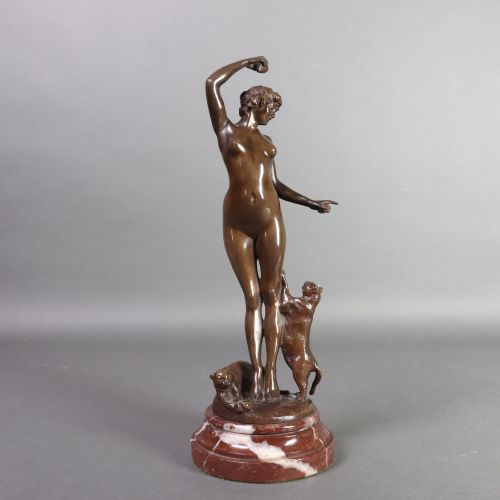
Several cats share their bronze domains with pythons and dogs, ensuring perpetual tension on the mantelpiece.
What varies in quality
The depth and subtlety of the patination heavily influence the visual success of the piece, with superior patinas showing complex tonal shifts instead of flat, uniform black paint. The integration between the bronze figure and its marble base also dictates the overall cohesion of the object.
G.Gardet·Dumond·A Vannetti·Clovis Masson·Georges Gardet·Siot Foundry·Louis Riche·E.Drouot
The Patinated Bronze Cat Figurine Glossary
- Patinated bronze
- Bronze that has been treated with chemical solutions to produce a specific surface colour or dark finish. This layer protects the underlying metal and defines the shadows of the sculpture.
- Animalier
- A nineteenth-century artistic movement dedicated to the realistic portrayal of animals. Sculptors in this tradition focused closely on anatomical precision and natural behaviour.
- Art Deco
- A design style prevalent in the early twentieth century characterised by streamlined shapes and stylised geometry. In cat sculptures, this manifests in sleek, elongated feline forms.
- Foundry
- A workshop where metal is melted and poured into moulds to create sculptures. Famous foundries employed skilled artisans to chase and patinate each cast.
Patinated Bronze Cat Figurine: Frequently Asked Questions
What is an animalier bronze?
An animalier bronze is a nineteenth-century sculpture focused specifically on the realistic representation of animals. These works capture creatures in motion or repose with careful attention to anatomy.
The style emerged strongly in France, where sculptors studied live animals in menageries to ensure absolute fidelity in their cast metal figures.
Why are marble bases used?
Marble bases provide a heavy, stable foundation to support the considerable weight of solid bronze sculptures. They also frame the artwork neatly, lifting the metal paws off wooden furniture surfaces.
Many period pieces utilised coloured or veined marble to complement the dark tones of the patinated metal above.
How do I spot Art Deco cats?
Art Deco cat sculptures typically feature stylised, streamlined anatomy with an emphasis on clean lines and smooth surfaces. They often depict panthers or tigers in sleek, modern poses.
These pieces usually date from the 1920s and 1940s, reflecting the modernist aesthetic of the interwar period through simplified yet powerful forms.