





Patinated Brass Sconces
Patinated brass sconces bring warmth and character to walls, offering practical illumination through historic metalwork.
Patinated Brass Sconces
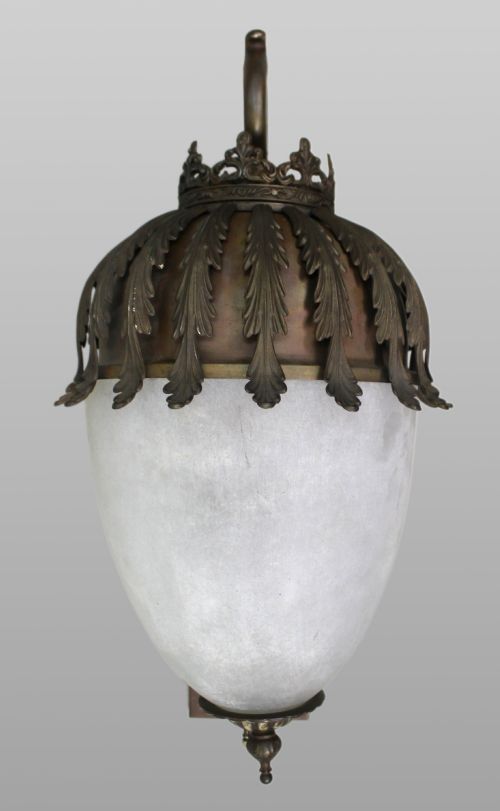
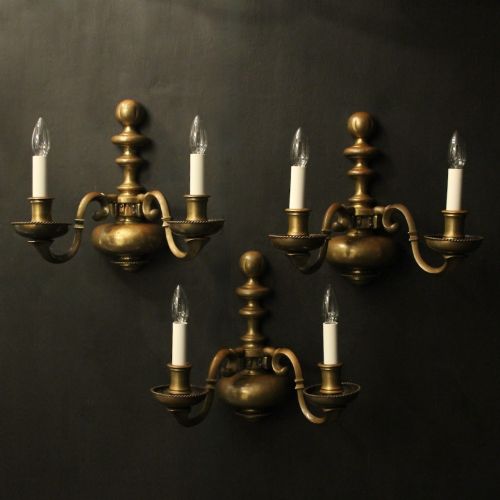
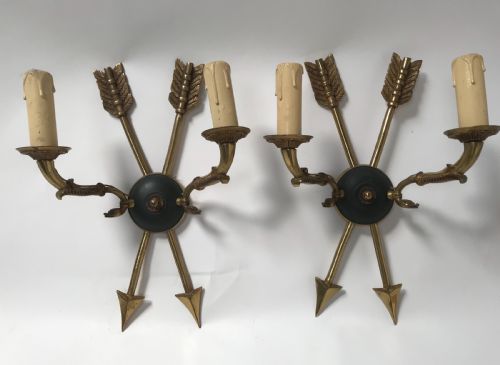
Buyers encounter numerous French designs, such as French Empire style, French Neoclassical, and French Art Nouveau pieces, alongside English traditional and Edwardian lighting. Forms range from simple wall brackets to elaborate carriage lamps and multi-branch sconces featuring cherubs or putti.
How they were made
Maker construction relies heavily on cast brass, bronze, and ormolu, frequently combined with glass elements. Metalworkers utilise patination techniques to darken and age the surface, creating deep bronze and faded bronze finishes.
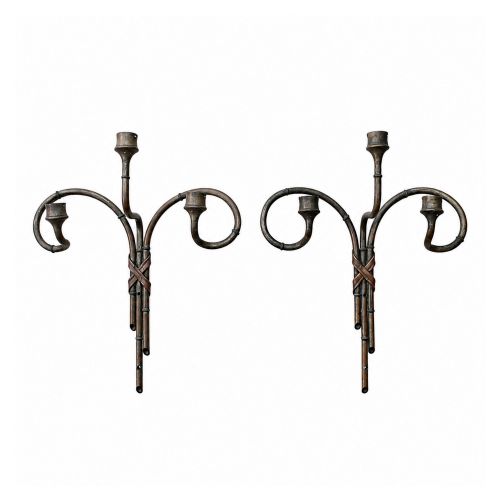
Gilt bronze and gilt metal highlights appear alongside natural brass, while specialised designs incorporate organic materials like bamboo. Craftsmanship varies from robust carriage lanterns to finely detailed cast figures supporting candle arms.
Patinated Brass Sconces Retail Price Guide 2026
Typical asking prices for patinated brass sconces among the pieces listed under this phrase on Sellingantiques today, from the lower quarter to the upper quarter. They describe what is for sale here now, not the wider market.
Listings feature items spanning the Georgian, Regency, Victorian, and Edwardian periods, alongside early twentieth-century designs.
What varies in quality
Quality differences stem from the precision of the casting and the depth of the metal finish. Finer pieces display crisp definition in decorative motifs like cherubs, putti, and neoclassical details, while simpler items feature softer cast lines.
The choice of materials also dictates the standard of the piece, with combinations of bronze, ormolu, and fire gilding commanding greater craftsmanship than plain brass or mixed metal alternatives.
The Patinated Brass Sconces Glossary
- Patinated metal
- Metal treated with chemical solutions or heat to produce a rich, darkened surface finish. This process highlights relief details and protects the underlying material.
- Ormolu
- Finely ground high-carat gold applied to a bronze base using a mercury amalgamation technique. This historic process yields a durable, bright golden finish.
- French Empire
- A neoclassical design style spanning the early nineteenth century, characterised by military motifs, classical figures, and symmetrical arrangements.
- Carriage lamp
- A sturdy wall lantern adapted from exterior transport lighting designed to withstand weather while sheltering a flame behind glass panels.
- Wall sconce
- A decorative lighting fixture fixed directly to a wall surface to hold candles or electric lamps.
Patinated Brass Sconces: Frequently Asked Questions
How do I clean patinated brass sconces?
Dust the metal gently with a soft, dry cloth to preserve the aged surface. Avoid harsh chemical polishes that strip away the historic patina.
Keep moisture away from the joints and wiring if the sconce has been converted for electricity. Proper maintenance protects the integrity of the bronze and brass finishes.
Are these sconces wired for electricity?
Many historic wall lights arrive adapted for modern electrical wiring while retaining their original aesthetic. Some examples remain in their original candle-holding configuration.
Buyers should inspect the internal wiring upon arrival and consult a qualified electrician for safe installation. Historical conversions vary depending on the age of the fixture.
How do I identify French Empire sconces?
French Empire pieces typically feature classical motifs such as laurel wreaths, urns, and mythological figures. The metalwork often combines dark patinated bronze with bright ormolu highlights.
Proportions remain formal and balanced, reflecting the neoclassical design influences of the early nineteenth century. These fixtures frequently incorporate detailed castings of cherubs or putti.
Can I hang these sconces outdoors?
Most antique wall lanterns and sconces were designed for interior use in hallways, reception rooms, and dining spaces. Placing them outside exposes delicate gilding and historic metal to weathering.
Review the construction of the specific piece before considering exterior placement. Protected porches are generally safer than open garden walls.