


Paste Stone Necklace
A paste stone necklace brings genuine period sparkle to the throat, offering centuries of brilliant glass craft in silver and gold.
Paste Stone Necklace
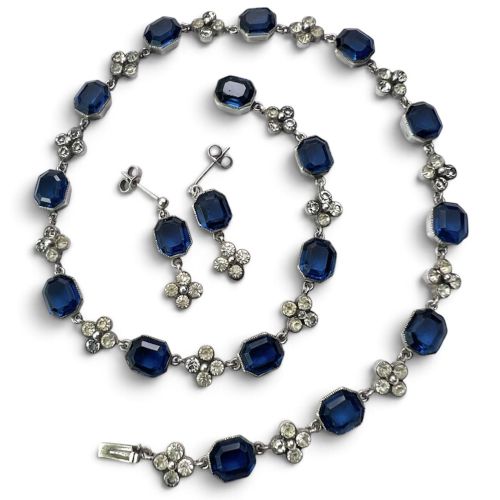
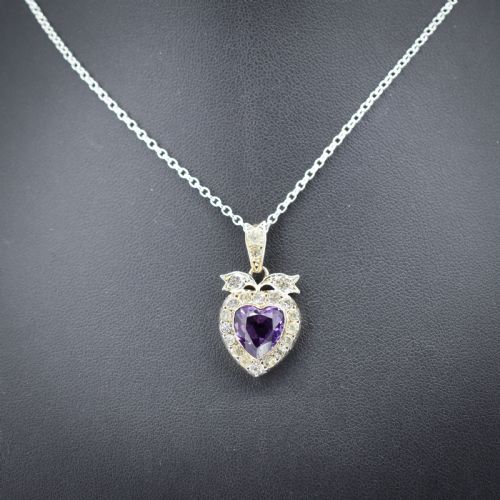
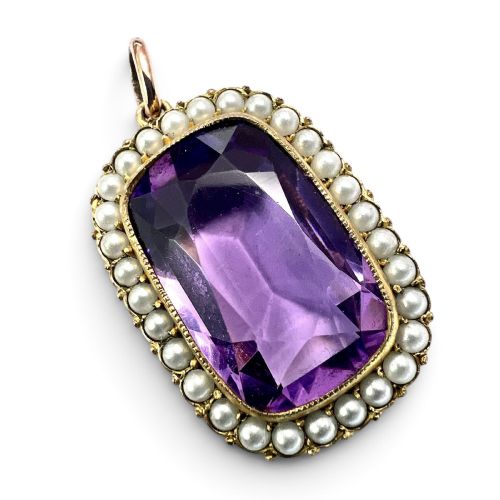
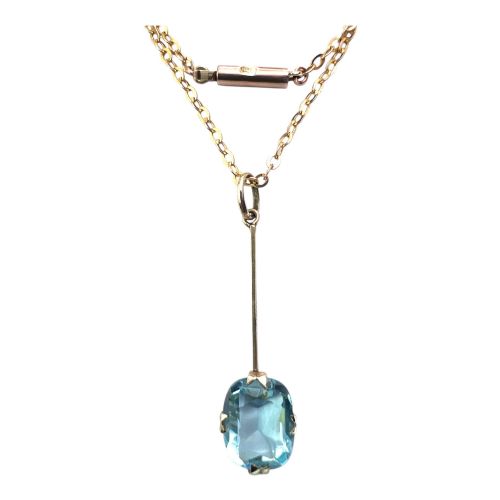
A paste stone necklace comprises historical neckpieces set with faceted glass designed to imitate precious gems like diamond, amethyst, emerald, and sapphire. These pieces appear across Victorian, Edwardian, and Art Deco periods, shifting from romantic pearl-halo drops to geometric sapphire sets.
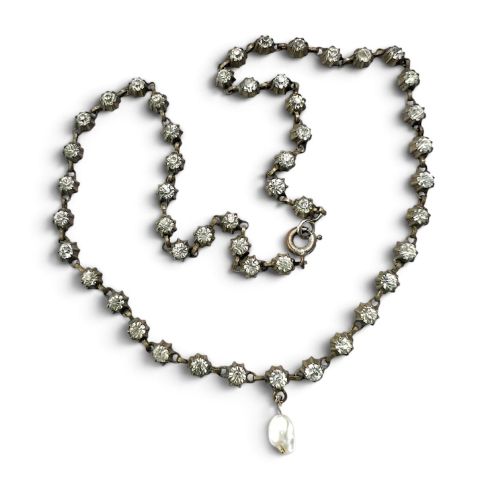
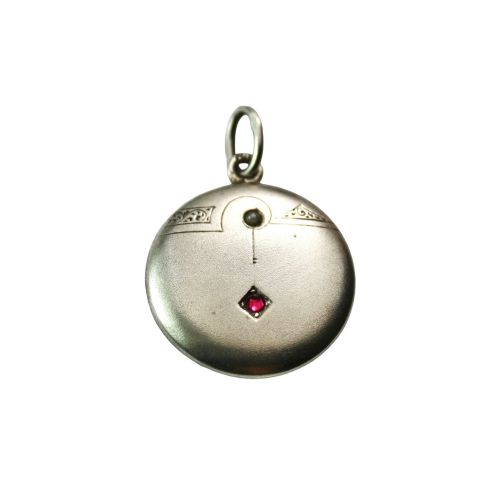
The most common versions met here combine silver settings with foiled or unfoiled paste glass, frequently accompanied by seed pearls or genuine cultured pearls. Surviving examples span simple heart pendants and elaborate rivière lines to complete jewellery sets with matching earrings.
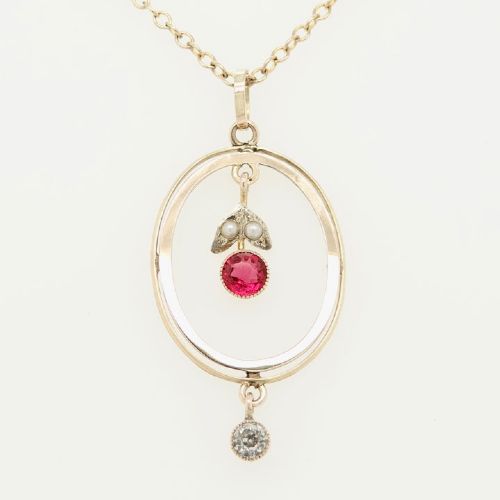
Makers produced these jewels throughout the nineteenth and twentieth centuries, spanning Georgian origins through to 1940s Retro Modern designs. Buyers encounter everything from delicate 9ct gold drop pendants to substantial silver teardrop configurations.
Materials and construction
Craftsmen shaped these paste stones from heavy lead glass, hand-cutting each facet to catch candlelight or daylight in imitation of mined gemstones. Settings utilise sterling silver, 9ct gold, 14ct gold, or gold gilt, holding the glass securely within claw or collet mounts.
Many historical paste stones incorporate metal foils placed beneath the glass to intensify colour and reflection, a technique central to Georgian and Victorian production. Seed pearls and cultured pearls frequently accent the central paste elements, threaded or wired onto fine precious metal chains.
The listings span Victorian, Edwardian, Art Deco, and 1940s periods, executed in silver, 9ct gold, 14ct gold, and gold gilt.
Distinctions in quality
Quality in a paste stone necklace rests upon the crispness of the hand-cut facets and the clarity of the glass itself, distinguishing superior workshop output from simpler production. Better pieces maintain tight, secure metal settings where each stone sits flush and level without excessive adhesive.
The sophistication of the underlying metalwork, whether pierced silver or solid 9ct and 14ct gold, separates standard decorative pieces from finer jewellery creations. Preservation of the original foiling behind the glass also dictates the optical depth and vibrancy of the stones.
The Paste Stone Necklace Glossary
- Paste
- Highly refractive lead glass hand-cut and polished to imitate gemstones in antique jewellery. It was prized for its brilliance rather than used as a mere deception.
- Rivière necklace
- A continuous line of graduated or identical gemstones or paste stones linked closely together. This style sits directly and smoothly against the collarbone.
- Collet setting
- A flat collar of metal that encircles the edge of a stone to hold it in place. It represents a traditional technique common in Georgian and Victorian work.
- Seed pearl
- Very small natural saltwater pearls drilled and threaded into clusters or strands. They frequently complement paste stones in Edwardian and Victorian pendants.
- Foiled stones
- Gemstones or paste glass backed with a thin sheet of coloured metal foil inside a closed setting. This practice enhances the brilliance and hue of the material.
Paste Stone Necklace: Frequently Asked Questions
Can I wear a paste stone necklace every day?
These historical necklaces tolerate occasional evening wear and careful daytime use when handled with proper gentleness.
Glass paste is softer than mined diamond or sapphire and susceptible to scratching, so store the piece separately from harder jewels.
How can I tell a Victorian paste necklace from a later one?
Victorian examples often feature closed-back metal settings, hand-cut stones, and natural seed pearls paired with heavy sterling silver or gold gilt.
Later Edwardian and Art Deco designs introduce open-backed settings, brighter white metals like platinum or silver, and sharper geometric arrangements.
What is a rivière paste necklace?
A rivière is an unbroken line of graduated paste stones designed to drape gracefully around the base of the neck.
This classic configuration was immensely popular during the Georgian and Edwardian eras, valued for its continuous stream of uninterrupted sparkle.