



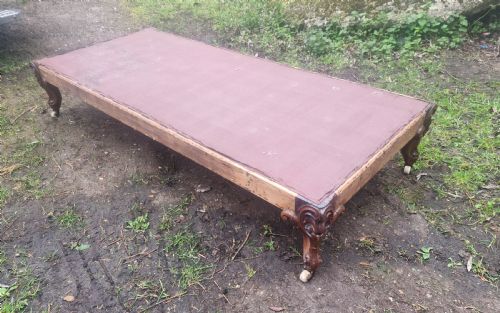


Parlour Bench Upholstered
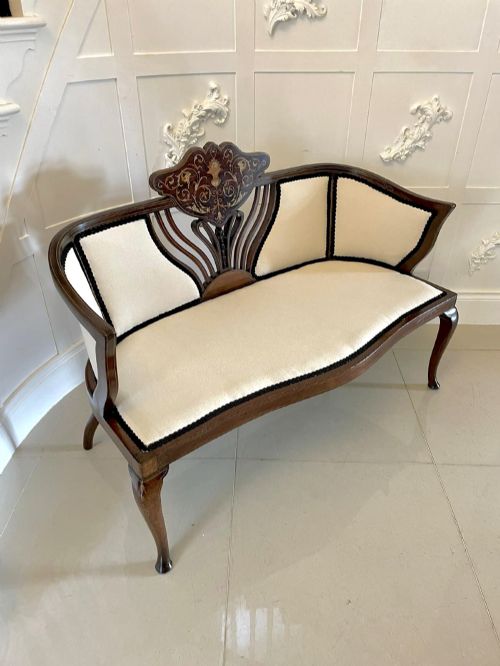
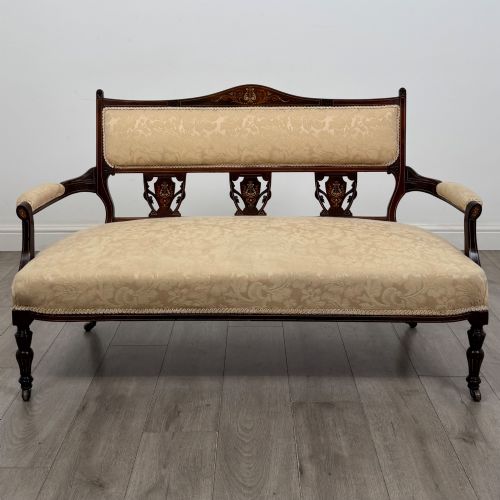
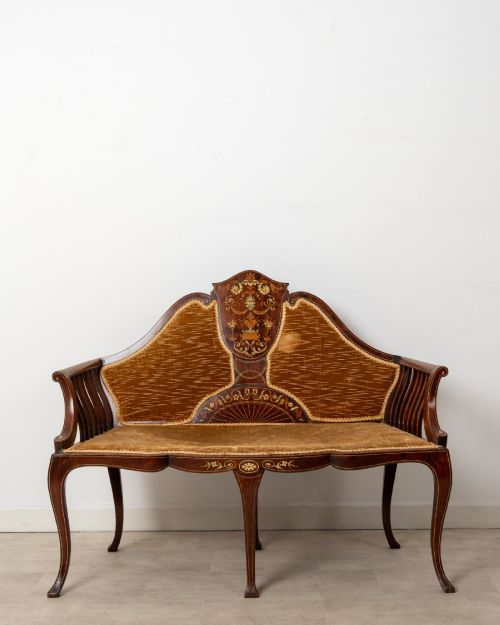
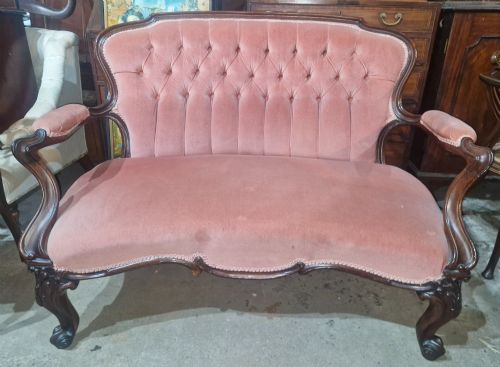
These parlour bench upholstered pieces combine timber frames with textile seating to anchor a reception room.
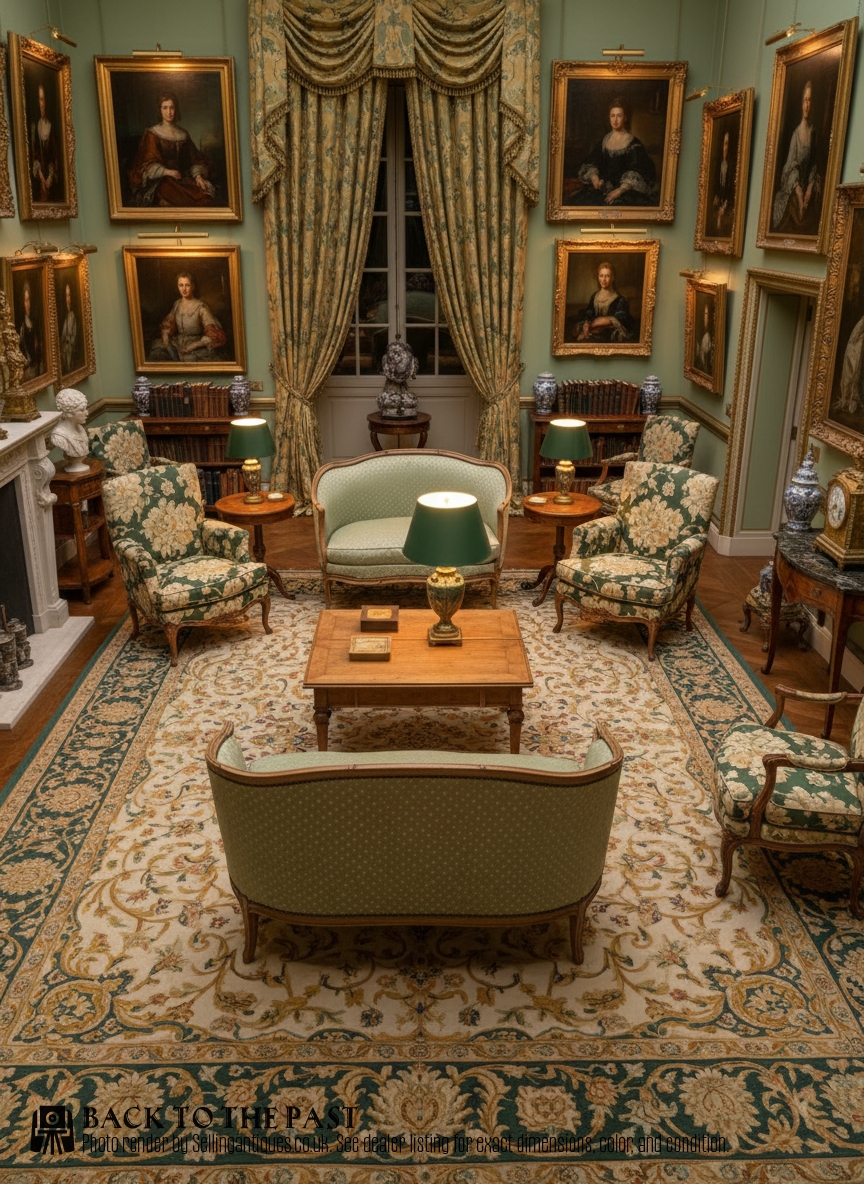
Parlour Bench Upholstered
When you search for parlour bench upholstered options, you encounter a selection of settees, sofas, and window seats originating from the nineteenth and early twentieth centuries. The pieces on this page span the Victorian, Edwardian, and later periods, reflecting changing domestic fashions in formal reception rooms.
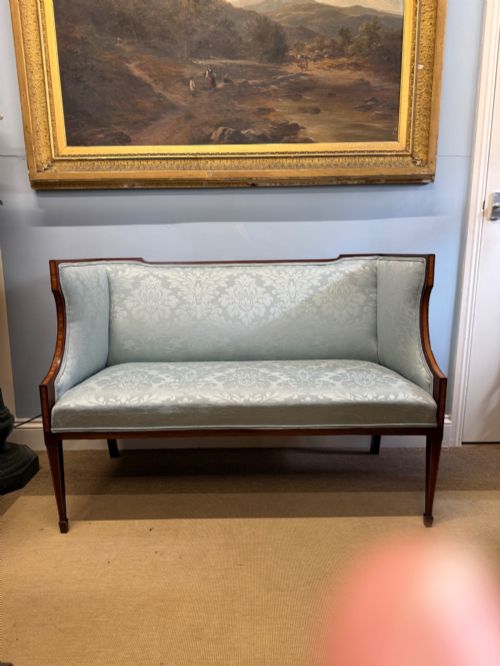
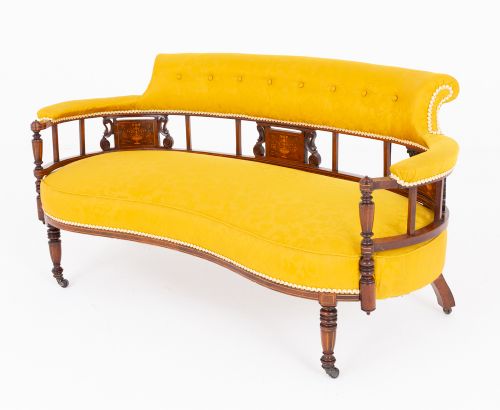
You are most likely to meet mahogany or rosewood frames inlaid with satinwood or bone, carrying various textiles including damask upholstery. The forms range from compact two-seater salon settees to larger multi-piece parlour suites and window seats designed for specific domestic spaces.
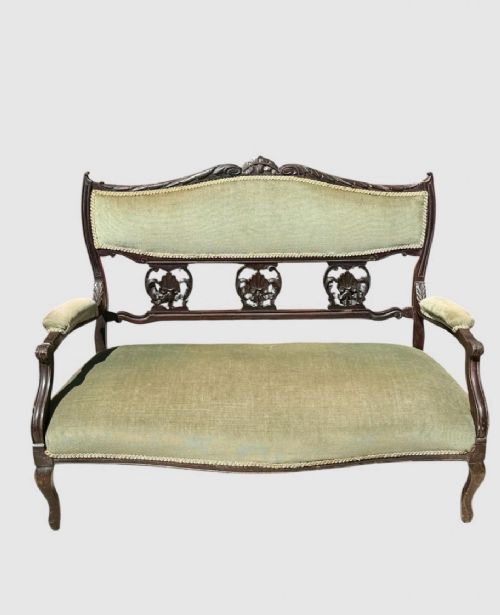
The selection includes distinct stylistic revivals, notably Louis XVI style and Rococo Revival influences sitting alongside simpler Edwardian and mid-Victorian designs. These seating items served as principal social furniture in period homes, combining structural timber work with soft upholstery.
Materials and construction methods
Cabinet makers utilised dense hardwoods such as mahogany, walnut, and rosewood for the structural frames, often incorporating satinwood or bone stringing and inlay. Timber components were carved, turned, or painted depending on the prevailing style of the period.
Frames received textile coverings including damask upholstery, fabric, and tapestry or Aubusson weaves secured over stuffing and springs. Brass elements occasionally appeared in castors or decorative mounts on French and English models.
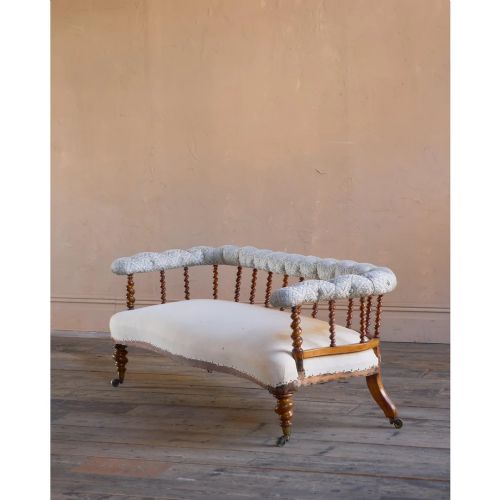
Several listings specifically note items awaiting re-upholstering, offering a blank canvas for modern textile choices on historic frames.
Distinctions in quality and execution
The standard of a parlour bench upholstered piece rests upon the crispness of the timber carving and the precision of the contrasting wood inlays. Finer examples display meticulous attention to joinery in the frame and sophisticated selection of veneer timbers.
Upholstery execution and the retention of original or sympathetic textile coverings distinguish superior pieces from standard production. The harmony between the timber frame's stylistic flourishes and the proportions of the upholstered body governs the overall success of the design.
C. Hindley & Sons·Baumann
The Parlour Bench Upholstered Glossary
- Settee
- A long upholstered seat with a back and arms, designed for multiple persons. This form dominates the seating arrangements found in Victorian and Edwardian parlours.
- Damask
- A reversible figured fabric traditionally woven on a jacquard loom with patterns formed by contrasting warps and wefts. It frequently appears as the primary textile covering on period salon furniture.
- Canapé
- A French term for an upholstered sofa, often featuring an exposed carved or painted wooden frame. These pieces typically reflect Louis XVI or related classical revival aesthetics.
- Inlay
- A decorative technique where pieces of contrasting material such as satinwood, bone, or lighter timbers are inserted into recessed portions of the primary wood base.
- Salon suite
- A matching set of seating furniture, which may include a settee and matching armchairs or chairs intended for a formal reception room.
Parlour Bench Upholstered: Frequently Asked Questions
Where did these seats go in the house?
These pieces sat principally in formal reception spaces such as parlours, drawing rooms, and salons where residents received guests and hosted social gatherings.
Smaller window seats and end-of-bed settees also appeared in private chambers and dressing rooms to provide convenient resting places.
How do I distinguish Victorian from Edwardian pieces?
Victorian examples generally feature heavier carved mahogany or rosewood frames, darker tones, and deep buttoned or elaborate upholstery styles.
Edwardian pieces tend to display lighter satinwood inlay, tapered legs, and brighter mahogany or painted finishes reflecting a shift toward airier interiors.
Can I use these settees daily?
Period frames remain sturdy when constructed from dense hardwoods like mahogany or walnut, though historic joints may require professional reinforcement before heavy daily use.
Many pieces sold today feature older upholstery that benefits from traditional re-webbing and springing to restore comfortable support for regular sitting.
What is a Louis XVI style settee?
This style draws inspiration from eighteenth-century French neoclassical design, characterised by straight fluted legs, carved ribbon motifs, and often gilt or painted wooden frames.
English and French makers revived these classical proportions during the nineteenth century for formal drawing rooms.