



Park Landscape Art
Park landscape art captures open green spaces and urban sanctuaries, offering a breath of fresh air and historical perspective for any room.
Park Landscape Art
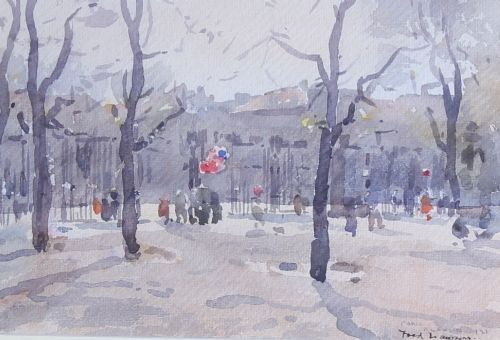
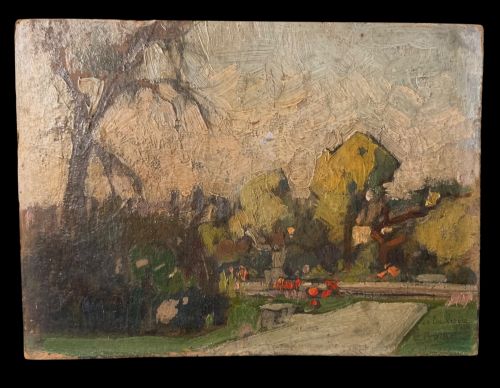
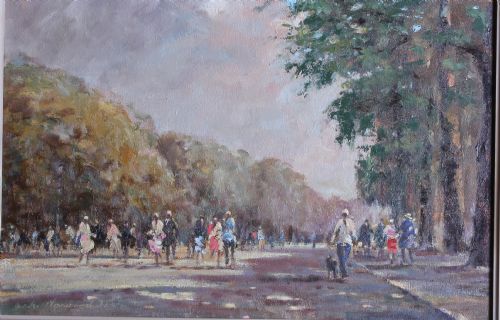
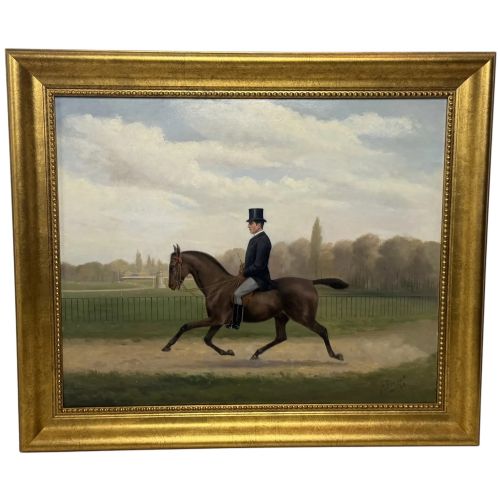
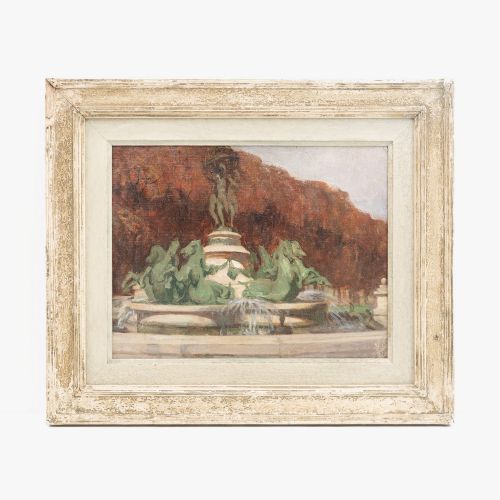
Park landscape art encompasses oil paintings, watercolours, and needlework pictures depicting urban parks, historic estates, and racecourses. These works range from Victorian watercolours to post-war impressionist boards, recording recreational scenes and civic grounds across Britain and France.
The versions most frequently met on this page include mid-twentieth-century oil paintings and nineteenth-century watercolours. Subjects stretch from London landmarks like Hyde Park and St James's Park to provincial retreats such as Sutton Park and Newstead Abbey.
Materials and Techniques
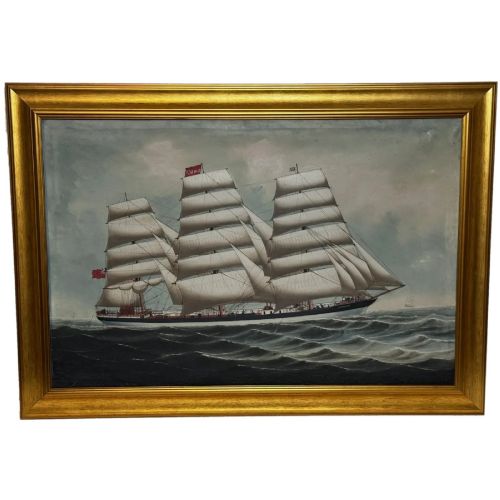
Artists rendering park landscape art typically employed oil paint on canvas or board, watercolour on paper, and occasionally silk needlework. Canvas supports allow for heavier impasto and luminous oil glazes, while watercolour on paper yields lighter, translucent atmospheric effects.
Framed works frequently incorporate gilt frames to complement the painted surfaces, while etchings utilise hand-colouring techniques over inked paper lines. Needlework pictures depend on precise silk threads stitched to form pictorial representations of historic tracks and grounds.
Park Landscape Art Retail Price Guide 2026
Typical asking prices for park landscape art among the pieces listed under this phrase on Sellingantiques today, from the lower quarter to the upper quarter. They describe what is for sale here now, not the wider market.
Listings feature works spanning from the Victorian era through to the nineteen-sixties, utilising canvas, paper, wood, glass, and silk.
Factors That Determine Quality
Quality in park landscape art rests upon the artist's handling of light, brushwork confidence, and compositional depth. Superior examples demonstrate deft impressionistic strokes that evoke atmosphere and movement rather than stiff topographical recording.
The integrity of the primary medium and period framing also influence overall calibre. Works retaining original backing, clear signatures, and undamaged canvas or paper supports present greater visual harmony.
John Horwood·Reginald Arthur Borstel·Alexander Jamieson·Thomas Cooper Moore·Charles E Cundall·Henry Sanders·Beatrice Parsons·Hermoine Hammond·William E Harris·Robert Thomas Buttery
The Park Landscape Art Glossary
- Plein air
- Painting outdoors to capture natural light and transient atmospheric conditions directly. This method was widely utilised by impressionist and post-impressionist artists.
- Impasto
- Paint applied thickly to a canvas, standing out in relief from the surface. This technique adds tactile dimension to foliage, paths, and figures.
- Etching
- A printmaking process where lines are incised into a metal plate with acid before being inked and pressed onto paper. Hand-coloured examples receive pigment washes after printing.
Park Landscape Art: Frequently Asked Questions
What periods do these park scenes date from?
The works span from the Victorian era through the Edwardian period and into the mid-twentieth century. Styles shift from detailed nineteenth-century topography to impressionistic and post-impressionist interpretations.
This chronological range reflects changing artistic approaches to urban green spaces over roughly a century.
How were these artworks originally displayed?
Many of these pieces were framed for domestic interiors in period wooden or gilt frames. Watercolours were glazed behind glass to protect the paper from dust and light.
Oil paintings on canvas or board were typically hung unglazed to showcase the texture of the paint.
Are all these pieces oil paintings?
No, while oil paint on canvas or board forms a substantial portion of the selection, watercolours and silk needlework pictures also appear. Each medium offers a distinct visual texture and method of execution.
Etchings with hand-colouring further expand the variety of techniques represented.
Which locations are most commonly depicted?
London parks such as Hyde Park, St James's Park, and the Tuileries feature prominently alongside provincial locations like Nottingham Castle park, Epsom, and Windermere. These sites capture both famous urban escapes and regional English landscapes.
Specific landmarks help anchor the geographical context of each composition.