





Paris Furniture
Paris furniture brings French craftsmanship straight to your rooms through desks, commodes and tables made in the capital.
Paris Furniture
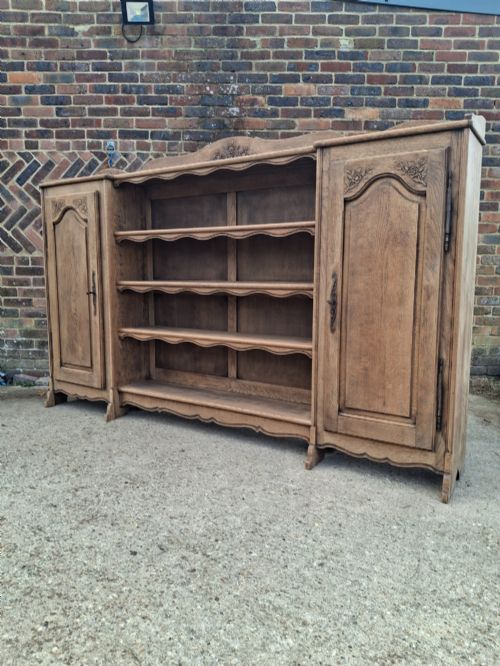
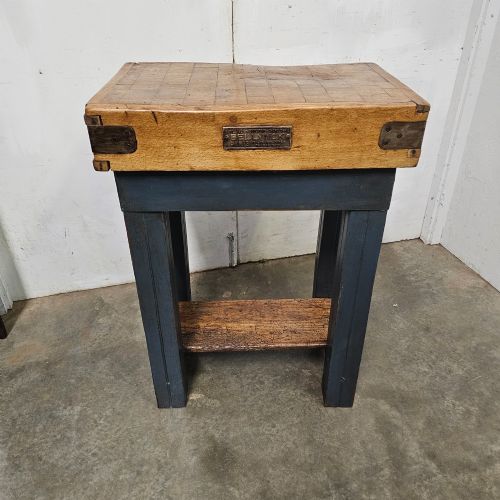
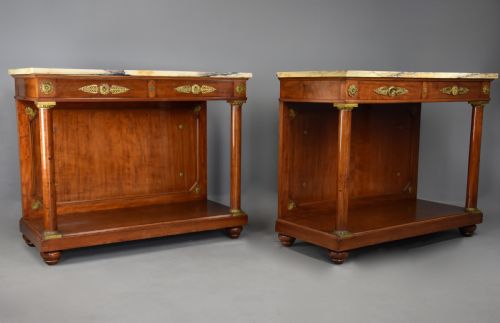
When you search for paris furniture, you are looking at items produced in the French capital across the nineteenth and early twentieth centuries, spanning periods from Georgian to Edwardian times. These pieces range from grand commodes and console tables to practical desks, wine tables, and butchers blocks.
The styles you will most frequently encounter on this page include Louis XV and Louis XVI revivals, alongside French Empire, Louis Philippe, and occasional industrial or chateau designs. Makers working in Paris utilised rich timbers and decorative mounts to supply both local and international clientele.
Materials and construction
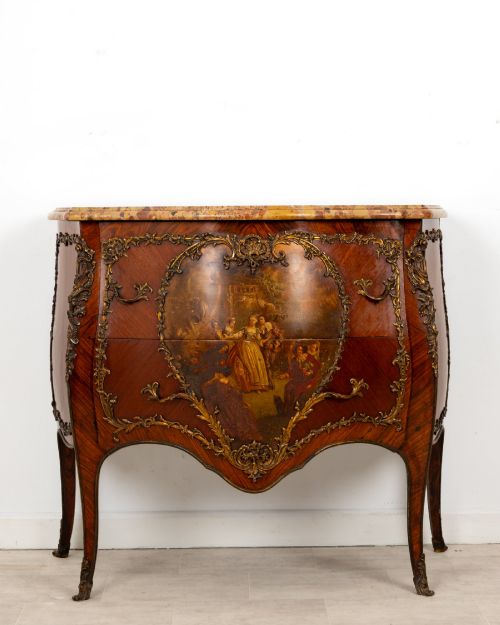
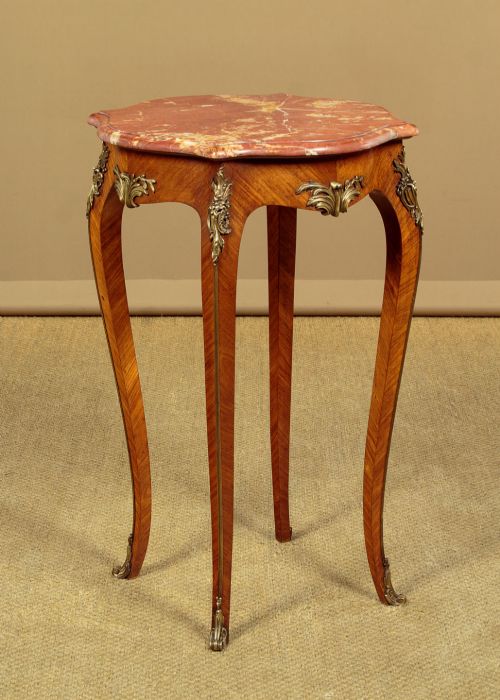
Cabinetmakers in Paris built their pieces using robust carcases of oak, beech, or mahogany, often veneered in choice hardwoods such as kingwood, tulipwood, and rosewood. Intricate marquetry inlay and painted panels like Vernis Martin added significant visual depth to commodes, desks, and side cabinets.
Metalwork played a defining role, with ormolu and gilt-bronze mounts embellishing the corners, handles, and aprons of tables and chests. Many surfaces were finished with heavy marble tops, particularly on console tables, buffets, and butchers blocks, requiring precise stone-cutting and fitting.
Paris Furniture Retail Price Guide 2026
Typical asking prices for paris furniture among the pieces listed under this phrase on Sellingantiques today, from the lower quarter to the upper quarter. They describe what is for sale here now, not the wider market.
Listings feature pieces spanning the nineteenth century, 1900, 1910, 1920, and the Georgian period.
Factors that separate the grades
The standard of a Parisian piece rests heavily on the quality of its timber selection and the precision of its marquetry or ormolu mounts. Finer examples display crisply chased gilt-bronze work and seamlessly matched veneers, whereas simpler items rely on plain mahogany or beech without decorative metal mounts.
Maker attribution also shifts the standing of a piece, as stamped or labelled works from documented workshops command greater attention. The integration of functional elements, such as smooth-operating envelope card table mechanisms or well-fitted marble slabs, further distinguishes the top tier of production.
Antoine Lampre·Krieger·L.Martin·Maison Millet·Maison Pretot·Haentgos Freres·Maples·Gamichon
The Paris Furniture Glossary
- Ormolu
- Gilt bronze mounts applied to furniture for decoration. This technique involves gilding a metal object with a mercury and gold amalgam.
- Vernis Martin
- A type of simulated Japanese lacquer developed in France during the eighteenth century. It was widely used on revival commodes and decorative panels.
- Marquetry
- The art and craft of applying pieces of veneer to a structure to form decorative designs and pictures. Cabinetmakers used various tinted woods to create complex floral or geometric patterns.
- Bonheur du jour
- A small, light lady's writing desk with a tiered superstructure above the main writing surface. These desks became popular in the eighteenth century and continued through later revival periods.
Paris Furniture: Frequently Asked Questions
What is paris furniture?
Paris furniture encompasses desks, tables, commodes, and seating produced within workshops and factories located in the French capital. These objects span several decades of the nineteenth and early twentieth centuries.
Craftsmen in the city supplied diverse styles, ranging from ornate revival cabinets with marble tops to practical butchers blocks on painted stands.
How do I identify a stamped piece?
Many Parisian makers stamped their names directly into the solid wooden frame or drawer edges of their cabinets and tables. You may also find paper labels affixed to the interior surfaces or undersides of occasional furniture.
Checking these areas carefully helps reveal the identity of the workshop responsible for the piece.
How should I care for marble tops?
Marble surfaces on console tables and buffets require gentle cleaning with warm water and a soft cloth to avoid scratching the stone. Acidic substances like wine or lemon juice should be wiped away immediately to prevent staining.
Applying a specialist stone sealer can help protect the polished finish over time.