




Paperweight Decor
Paperweight decor comprises decorative desk accessories and small sculptures fulfilling utilitarian or ornamental roles in studies and libraries.
Paperweight Decor
Paperweight decor encompasses items intended for the desk or study, combining functional utility with decorative sculptural form. When exploring paperweight decor, buyers encounter diverse expressions ranging from Victorian metalwork to mid-century glass and animalier sculptures.
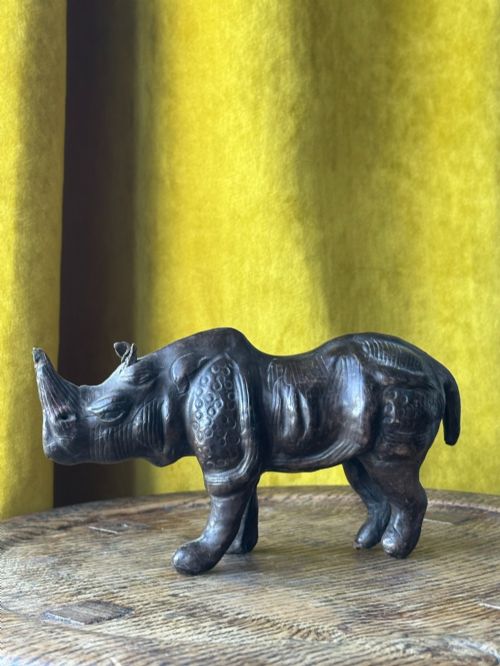
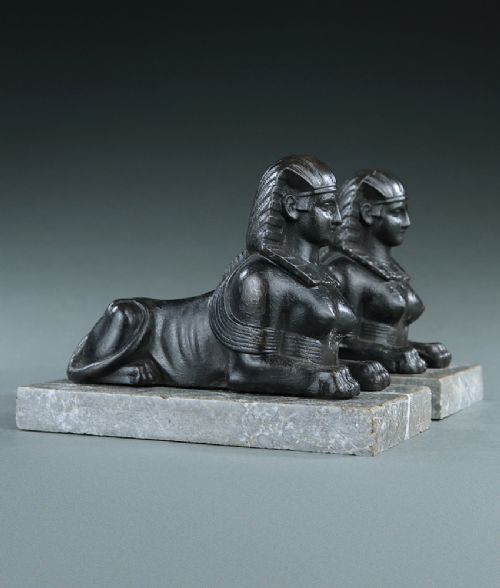
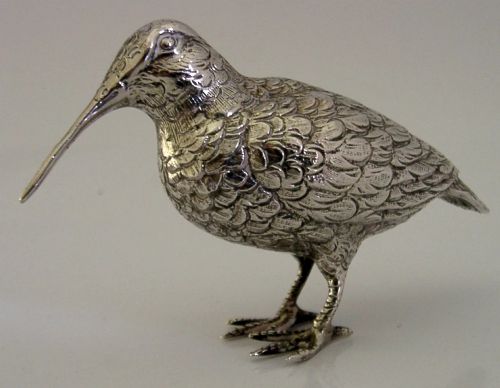
The objects serving as paperweight decor on this page span the nineteenth century through the mid-twentieth century, including pieces styled in Egyptian Revival and Art Deco aesthetics. Animal figures, architectural models, and mineral specimens frequently populate these listings.
Quality variations in the range
Distinctions in quality often rest upon the crispness of the casting and the precision of the finishing work on metal and stone figures. Superior examples exhibit finely rendered anatomical details on animal sculptures and sharp architectural lines on items like obelisks.
The integrity of secondary materials, such as the snugness of inlaid stone specimens or the patination developed on bronze and brass surfaces, distinguishes finer items. Maker attribution and the complexity of composite assemblies further separate standard desk objects from exceptional pieces.
Paperweight Decor Retail Price Guide 2026
Typical asking prices for paperweight decor among the pieces listed under this phrase on Sellingantiques today, from the lower quarter to the upper quarter. They describe what is for sale here now, not the wider market.
Current listings span the nineteenth century through the mid-twentieth century, featuring brass, bronze, marble, glass, and leather.
Hermes, Paris·Liberty & Co.
The Paperweight Decor Glossary
- Animalier
- A nineteenth-century artistic style focusing on the realistic depiction of animals, particularly predators and game. Sculptures in this manner frequently employ bronze.
- Pietra dura
- An inlay technique utilising cut and fitted polished coloured stones to create decorative designs. It appears commonly on Grand Tour specimen table articles.
- Egyptian Revival
- A style drawing inspiration from ancient Egyptian motifs and architecture, manifesting in objects like obelisks and sphinxes. This aesthetic recurred during the nineteenth and early twentieth centuries.
- Lignum vitae
- A dense, heavy tropical hardwood prized for durability and rich dark tones. Makers utilised it for turned and inlaid desk objects.
Paperweight Decor: Frequently Asked Questions
What materials are common in paperweight decor?
Listings feature various durable substances including cast bronze, brass, iron, sterling silver, and 830 silver. Natural materials such as marble, hardwoods, and glass also appear frequently.
Artisans combined these mediums to create heavy desk objects capable of securing loose papers while serving as sculptural ornaments.
How do I identify an Egyptian Revival desk piece?
Egyptian Revival items typically incorporate specific architectural motifs like obelisks or mythological figures such as sphinxes. These designs reflect the cultural fascination with ancient pharaonic aesthetics during the nineteenth and early twentieth centuries.
Such pieces are usually cast in brass or iron to provide substantial weight for desktop use.
Where were nineteenth-century desk sculptures placed?
These decorative objects sat atop partner desks, library tables, and bureau bookcases in nineteenth-century studies and offices. They functioned both as functional paperweights and as conversation pieces reflecting the owner's tastes.
Animal figures and architectural models were particularly popular for this dual purpose.
How should I care for bronze and brass desk accessories?
Bronze and brass items require gentle dusting with a soft, dry cloth to preserve their natural patination and surface finish. Avoid abrasive cleaning compounds that can strip away the historical oxidation accumulated over decades.
Maintaining stable indoor humidity levels protects any integrated wooden or leather components from warping.