
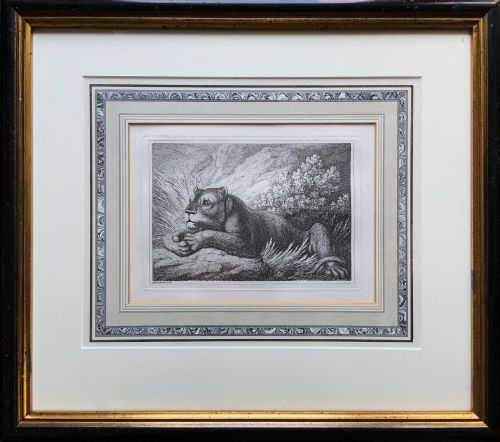
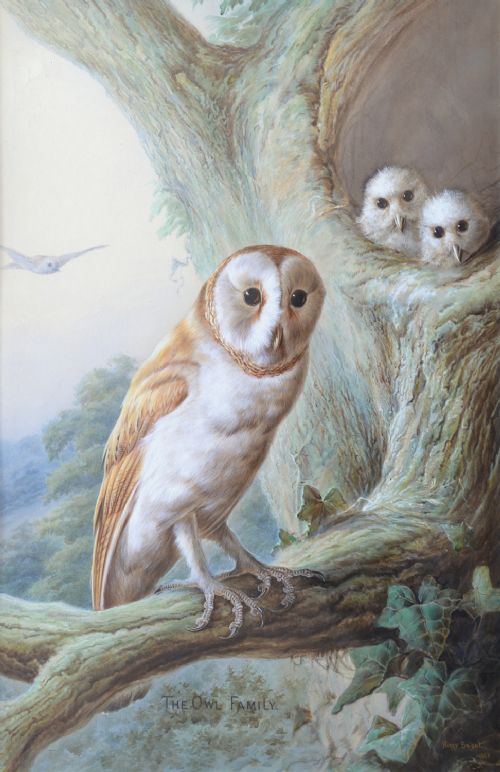
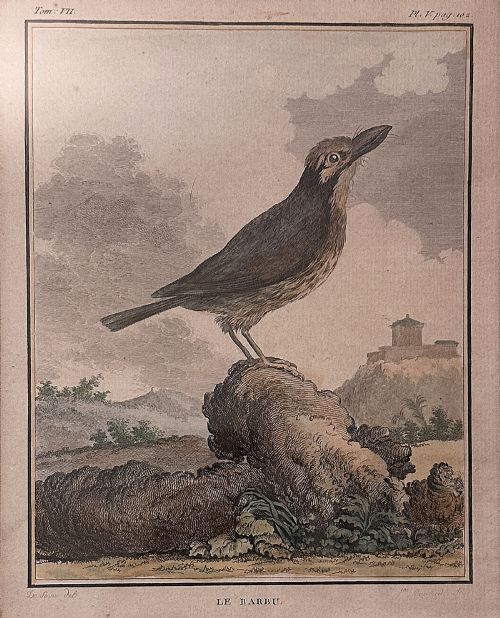
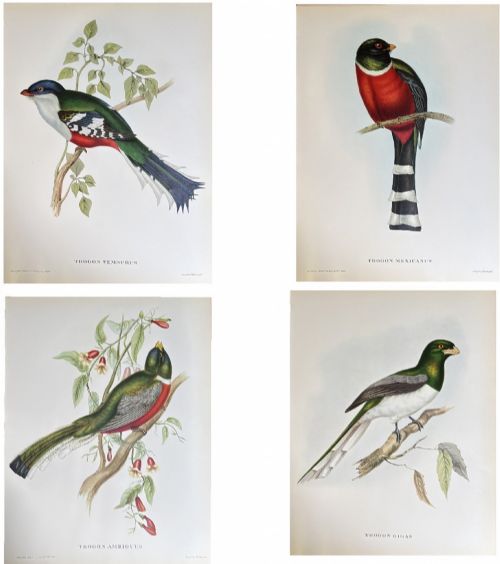
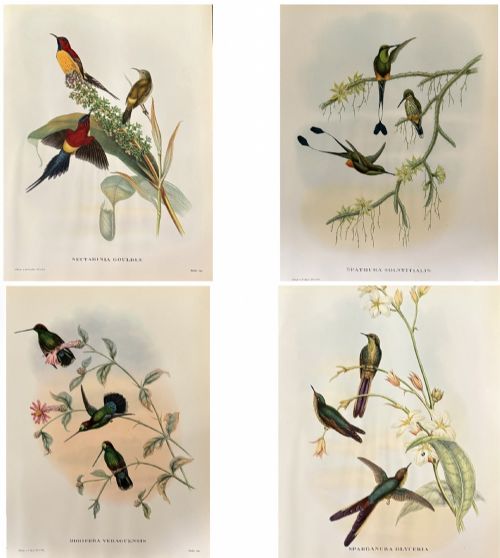
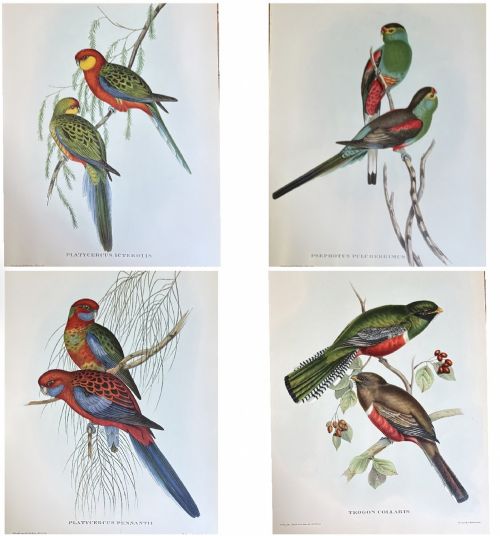
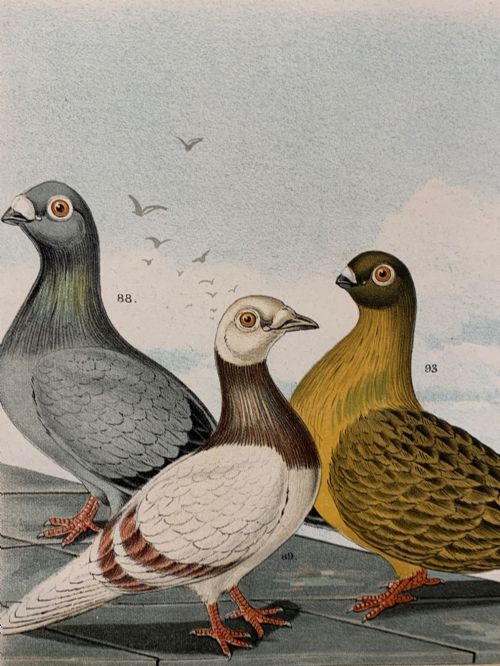
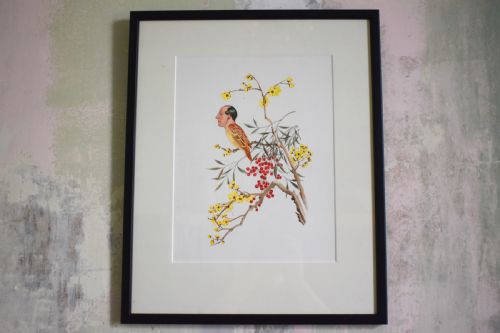
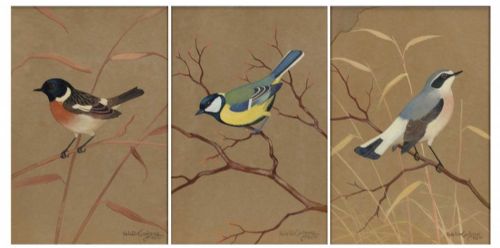
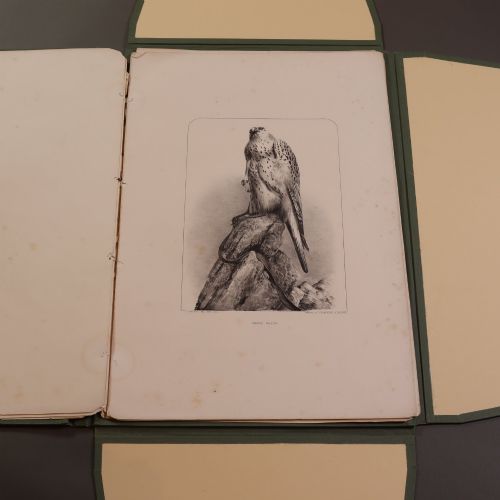


Paper Natural History Print
A paper natural history print brings the quiet observation of birds, botany and anatomy directly onto the wall.
Paper Natural History Print
A paper natural history print records flora and fauna through centuries of observation, moving from eighteenth-century folio plates to mid-century studies. These works encompass birds, fish, insects and botanical specimens produced for scientific study and domestic display alike.
The material encountered most frequently on this page is the antique print or watercolour on paper, often found framed with glass and wood. Sets of ornithological and botanical subjects appear regularly alongside individual sheets.
Origins span Georgian, Victorian and Edwardian periods, stretching into mid-century British art and twentieth-century print runs. Buyers often select matching sets for a study or corridor.
Subjects range from tropical birds and garden species to detailed anatomical studies of rhinoceroses and fish. Each piece reflects the naturalist's eye of its specific decade.
How these pieces were made
Makers utilised paper as the primary support, applying ink, watercolour, gouache and watercolour pigment by hand or through early printing techniques. Engravings and lithographs formed the foundational lines before colour was added.
Plates were pulled from engraved metal or stone blocks, sometimes receiving careful hand-colouring to enhance the botanical or ornithological details. Pith paper and specialised cloth also surface in specific regional examples.
Framing typically involves simple wood surrounds protected by glass to preserve the fragile paper beneath from moisture and light damage.
Listings span the eighteenth, nineteenth and twentieth centuries, employing paper, ink, watercolour, gouache and glass.
What varies in quality
Quality rests upon the precision of the initial engraving and the sensitivity of any subsequent hand-colouring. Early plates with crisp linework and vibrant pigment command greater attention.
The integrity of the paper itself dictates value, where clean margins and minimal foxing preserve the original visual balance of the study. Complete sets maintain a stronger narrative than scattered individual sheets.
The reputation of the original artist or naturalist whose work was transcribed elevates the standing of the piece significantly.
John Hancock·Jonathan Couch·John Curtis·Eleazor Albin·George Edwards
The Paper Natural History Print Glossary
- Engraving
- A printmaking technique where an artist carves an image into a metal plate with a burin. The resulting lines hold the ink for transfer under pressure.
- Lithography
- A planographic printing process based on the mutual repulsion of oil and water. It allowed for smooth tonal gradations in nineteenth-century illustration.
- Foxing
- Brown spots of chemical oxidation that appear on old paper over time. Mild instances are common in antique specimens.
- Hand-coloured
- A print finished with pigments applied by brush after the initial impression. This adds individual character to each sheet in a series.
Paper Natural History Print: Frequently Asked Questions
How should I hang them?
Keep these works away from direct sunlight to prevent the watercolour pigments and paper from fading over time.
Grouping matching sets together creates a balanced display along a hallway or study wall.
Are these original prints?
The selections include period engravings, lithographs and original watercolours created during the stated centuries.
Check individual titles to distinguish between period printed plates and unique painted studies.
Can I buy them framed?
Many examples arrive ready to hang with traditional wood frames and protective glass already fitted.
Unframed sets offer the opportunity to select custom mounts that suit a specific interior style.
How do I date a piece?
Dating relies on the printing technique, paper characteristics, and the recorded period of the naturalist or publisher.
Stylistic cues within the typography and clothing of accompanying figures also help narrow the decade.