



Paper Miniature Painting
These paper miniature painting works capture likenesses and scenes in delicate detail across centuries.
Paper Miniature Painting
A paper miniature painting represents a portable work of art executed on a small scale, frequently taking the form of a portrait or illustrative scene. These pieces span periods from the eighteenth century through to the twentieth century, encompassing British, French, Italian, Ottoman, Persian, Kashmiri and Mughal origins.
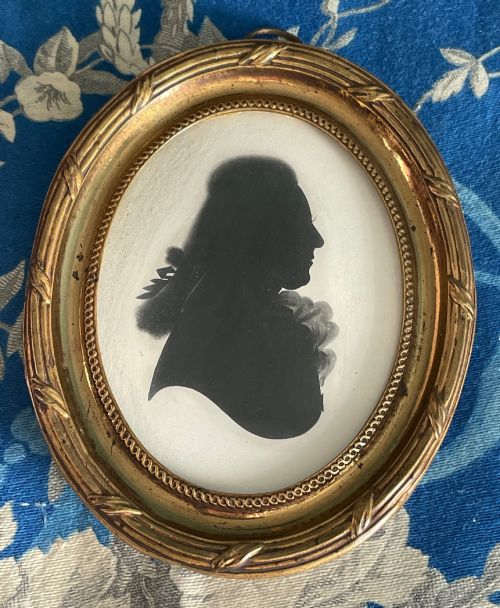
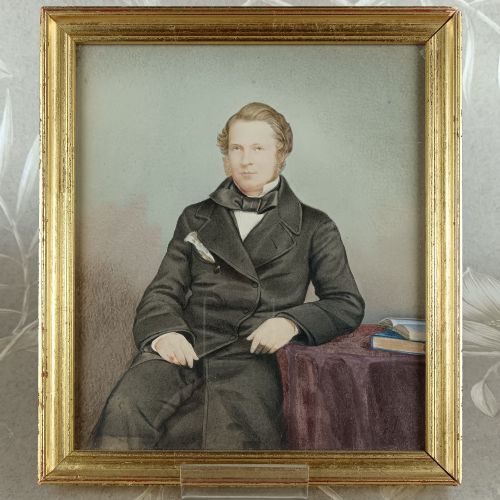
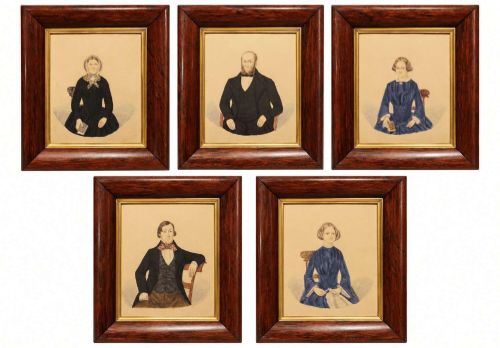
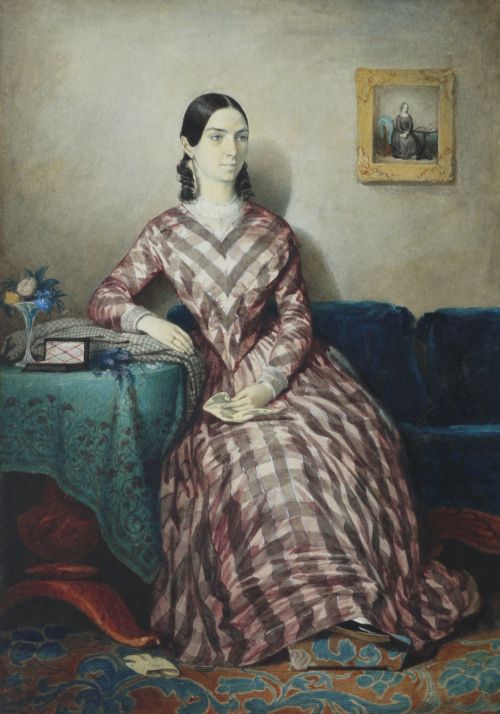
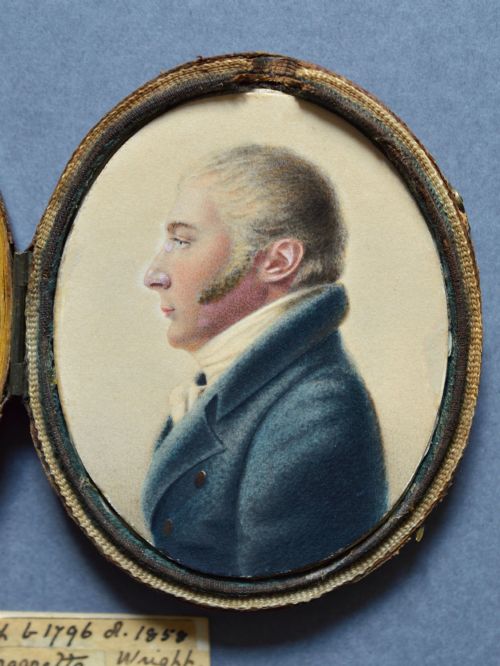
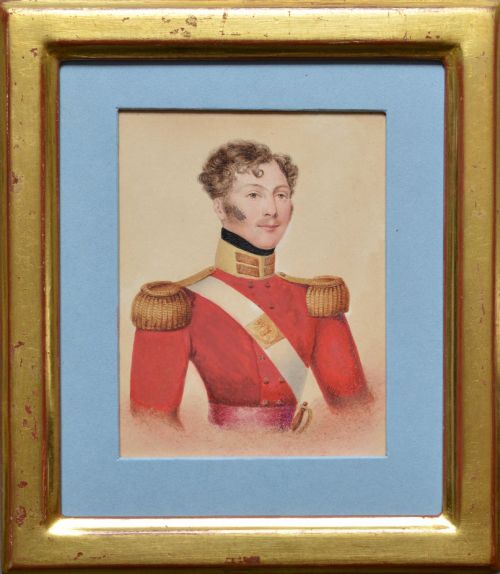
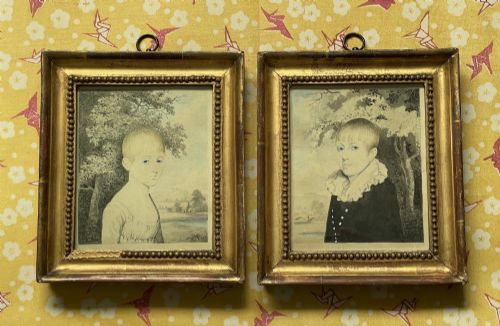
Buyers will most frequently encounter individual portrait watercolours and gouache works framed behind glass, alongside painted silhouettes and book leaves. Subjects range from officers and noble figures to mythological scenes and romantic landscapes.
Materials and technique
Artists executed these works primarily using watercolour, gouache and ink applied directly onto paper supports, occasionally incorporating gold leaf for illumination. Paper formed the lightweight base for detailed brushwork executed with fine sable brushes.
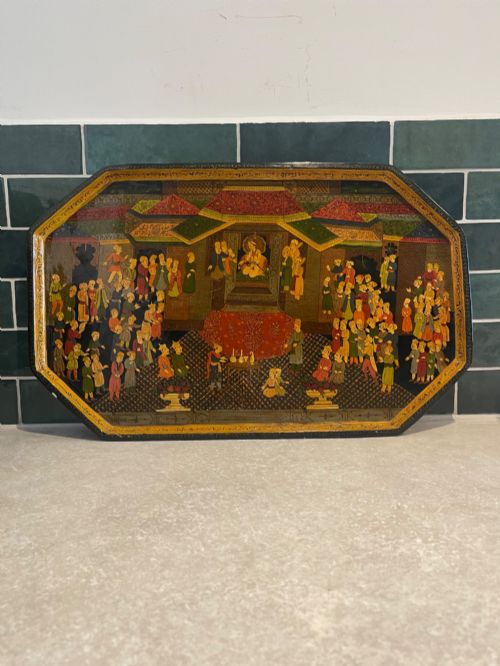
Many surviving examples retain their period settings, housed behind glass within wooden frames, maple surrounds or gilt wood mouldings. Kashmiri items utilise papier-mache trays as an alternative physical support for painted decoration.
Paper Miniature Painting Retail Price Guide 2026
Typical asking prices for paper miniature painting among the pieces listed under this phrase on Sellingantiques today, from the lower quarter to the upper quarter. They describe what is for sale here now, not the wider market.
One determined camel carries an entire landscape upon its back in a twentieth-century Indian miniature.
Judging quality
The preservation of the pigment and the original paper surface determines the integrity of the piece. Clean preservation of delicate watercolours and gouache without heavy fading elevates the standing of the work.
Alessandro Cittadini·Thomas John Horsley·Albin R Burt·J Bizo·George Atkinson·Thomas Woolnoth·John Smith of Edinburgh·George Perfect Harding·Henry Edridge·Alexander Melville
The Paper Miniature Painting Glossary
- Watercolour
- A paint consisting of a pigment suspended in a water-based solution. It provides transparent washes suited to delicate layering on paper.
- Gouache
- An opaque water-based paint that includes a white pigment binder. It yields solid, vibrant colour areas with a matte finish.
- Silhouette
- A portrait profile filled in with a solid colour, usually black. Artists created these painted or cut likenesses extensively during the Georgian and Regency eras.
- Miniature painting
- A work executed on a notably small scale demanding microscopic precision. These small portraits and scenes required specialised magnification and fine brushes.
Paper Miniature Painting: Frequently Asked Questions
How should I display paper miniature painting works?
Keep these artworks away from direct sunlight to prevent the watercolours and gouache pigments from fading over time. Maintaining stable indoor humidity protects both the fragile paper and the original wooden or gilt frames.
Ensure that the glass remains secure and clean without pressing directly against the painted surface. Proper hanging preserves the physical stability of these historical objects.
What periods do these paintings cover?
The selection spans from the eighteenth century through the Regency and Victorian eras up to the early twentieth century. Pieces reflect stylistic shifts from Georgian portraiture to Indian and Persian miniature traditions.
Earlier items often feature distinct costume details and specific sitter records that help anchor their date of creation. Later nineteenth-century examples display evolving techniques in portraiture and landscape depiction.
Are these paintings signed by artists?
Certain examples bear signatures or inscriptions left by the painter, while others remain attributed to specific regional schools. Documentary notes on the reverse of frames or paper supports sometimes reveal the identity of the sitter.
Unsigned works are judged by technique, palette and material consistency relative to known regional or period outputs. School attributions help contextualise pieces lacking an individual artist signature.
How do portrait miniatures differ from landscape scenes?
Portrait miniatures focus heavily on the precise likeness and social attire of individuals such as officers or nobles. Landscape and narrative scenes depict figures within settings like hunting grounds or romantic landscapes.
Both categories utilise similar water-based mediums on paper but serve different visual and historical functions. Portraits record specific identities whereas narrative works illustrate cultural traditions or stories.