
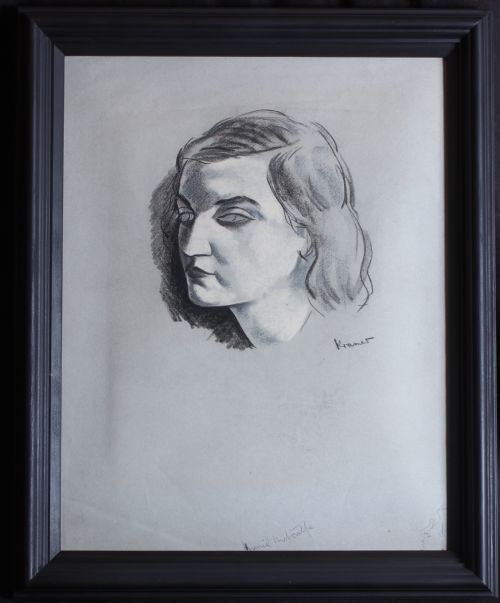
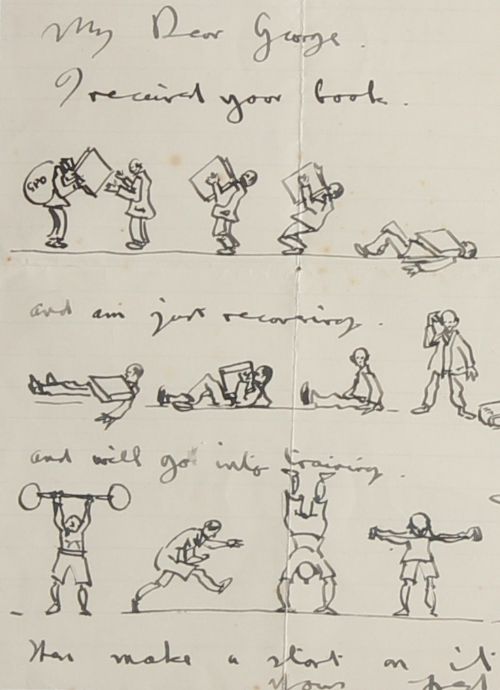
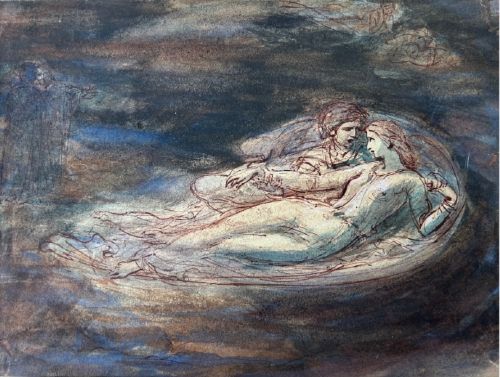
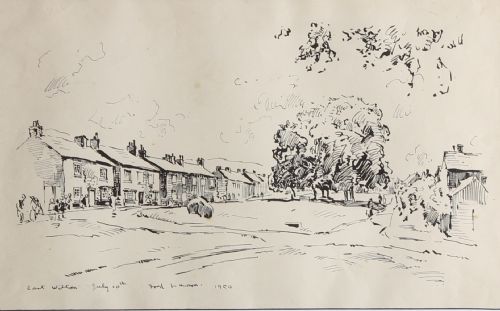
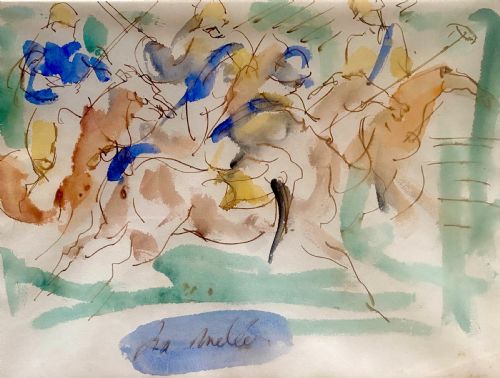


Paper Ink Watercolour Sketch
When you handle a paper ink watercolour sketch, you hold a direct record of an artist's hand.
Paper Ink Watercolour Sketch
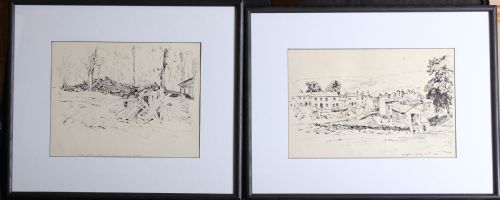
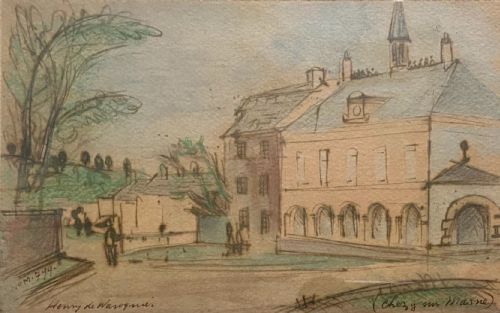
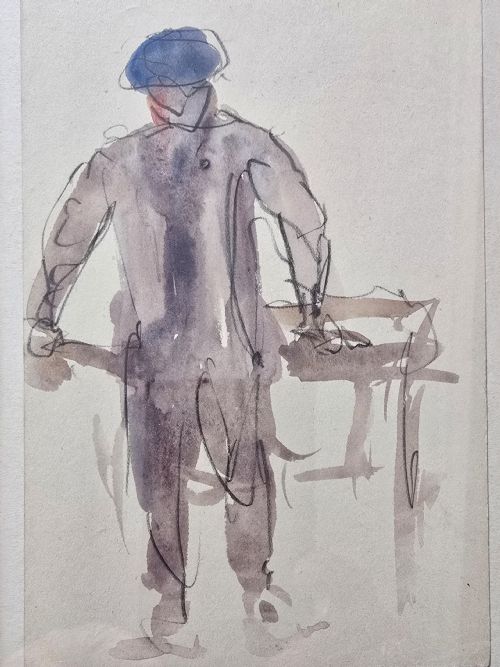
A paper ink watercolour sketch captures an immediate idea through layered media, combining line and wash on a fragile surface. These works range from rapid landscape studies to detailed figures, offering insight into the preparatory process of artists across centuries.
You are most likely to meet works originating from the eighteenth century through to the mid-twentieth century on this page. These include regional British views, French mixed media drawings, and framed original artwork preserved behind glass.
The selection encompasses diverse movements such as Georgian, Pre-Raphaelite, and Modern British styles. Works often appear singly or within albums complete with artist seals and annotations.
Materials and technique
Artists built these works on paper supports, laying down initial lines using pen and ink or pencil before applying fluid watercolour washes. Crayon and wash also appear in mixed media compositions, creating varied texture and depth across the sheet.
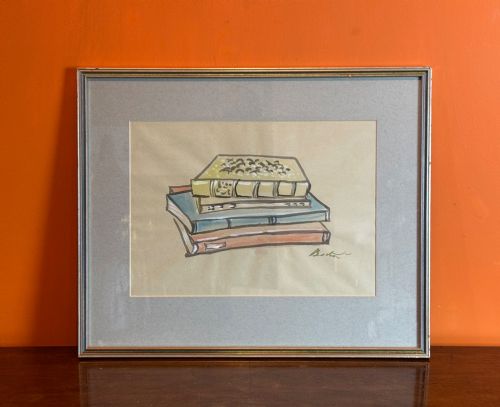
Finished pieces frequently feature wood frames and glass protection to preserve the delicate pigments and paper from environmental damage. The integration of ink lines defines the composition while watercolour provides tone and colour.
Materials recorded across the selection include ink, watercolour, pencil, crayon, wood frames, and glass.
Assessing quality and execution
Quality rests upon the confidence of the draughtsmanship and the preservation of the paper support. Bold, assured ink lines paired with well-controlled washes distinguish accomplished works from hesitant student exercises.
Condition plays a central role, where minimal fading, absence of severe foxing, and original framing elevate the piece. The directness of the touch reveals the maker's mastery over the medium.
Fred Lawson·Henry de Waroquier·Cecil Beaton·Michael Healy·Gen Paul·Edward Dayes·YA MING·Thomas Rowlandson·Johan Noah Bemmel·Kees van Dongen·Dame Laura Knight·Thomas Lound
The Paper Ink Watercolour Sketch Glossary
- Wash
- A thin, fluid layer of watercolour or diluted ink spread across paper to create transparent tones or background skies. It forms the atmospheric foundation of many sketches.
- Mixed media
- An artwork combining two or more distinct materials, such as ink, watercolour, and crayon on paper. This approach offers varied textural effects within a single composition.
- Album
- A bound book containing a collection of drawings, watercolours, or sketches preserved together. These often retain artist seals and provide a cohesive body of work.
- Draughtsmanship
- The skill an artist demonstrates in drawing lines and constructing forms. Confident draughtsmanship underpins the structural integrity of ink and watercolour studies.
- Sheet
- The individual piece of paper bearing the artwork. Its weight, texture, and watermark often assist in dating the piece.
Paper Ink Watercolour Sketch: Frequently Asked Questions
How should I display a watercolour sketch?
Keep works behind glass away from direct sunlight to prevent the watercolour pigments from fading. Acid-free mounts protect the paper from discolouration over time.
Ensure hanging locations maintain stable humidity levels to preserve both the paper support and the wood frame.
Are these works always unique?
Yes, these pieces represent original hand-drawn and painted works rather than mass-produced prints. Each sheet bears the unique marks and corrections of the artist.
Even within series or pairs, every individual drawing possesses distinct brushwork and composition.
What periods do these sketches cover?
The selection spans from the eighteenth century through the Georgian and Pre-Raphaelite eras into mid-twentieth century Modern British styles. Eighteenth-century examples sit alongside works from the nineteen-thirties and nineteen-fifties.
Stylistic shifts reflect the changing approaches to landscape and figurative art across these centuries.
How do I identify the media used?
Look closely at the surface for fine pen or ink lines underlying the translucent watercolour washes. Pencil or crayon traces often remain visible beneath the wet media.
Examining the work under magnification reveals how the ink resists or blends with the applied washes.