






Paper Coloured Etchings
Paper coloured etchings are framed prints and wall art that bring together hand-tinted ink work and antique periods, offering a direct window into past craftsmanship.
Paper Coloured Etchings
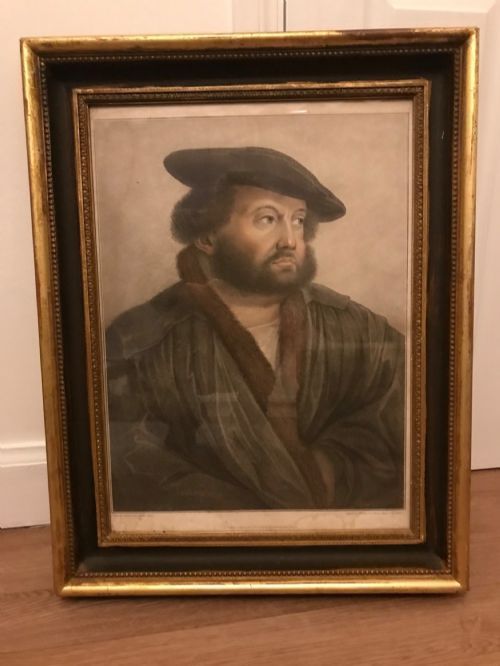
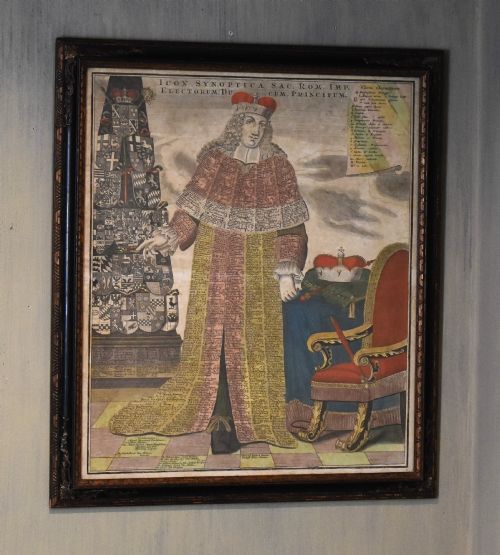
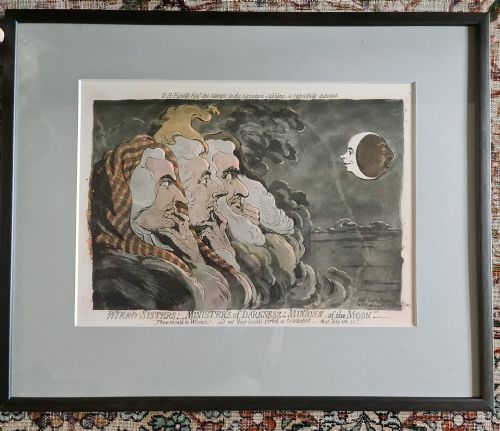
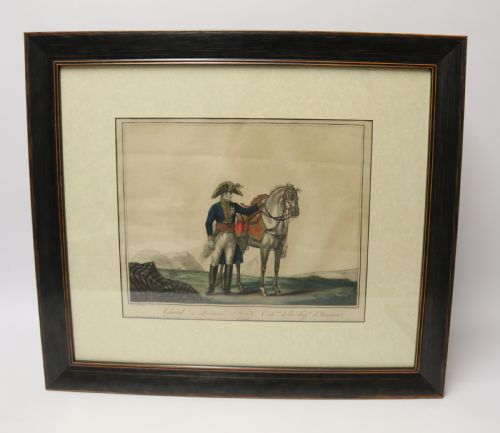
When you search for paper coloured etchings, you encounter framed prints, wall art, and engravings that span the eighteenth century, the regency era, and the Victorian period. These pieces frequently manifest as hand-coloured works depicting historical portraits, ornithological studies, and architectural subjects.
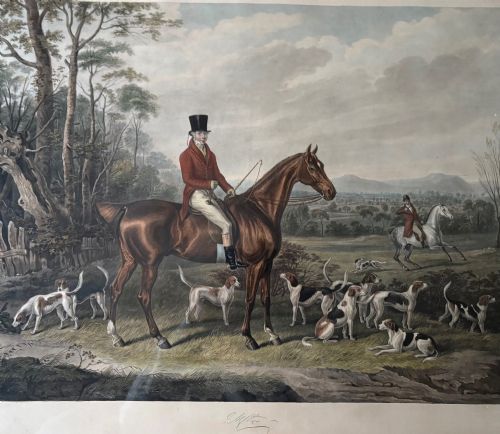
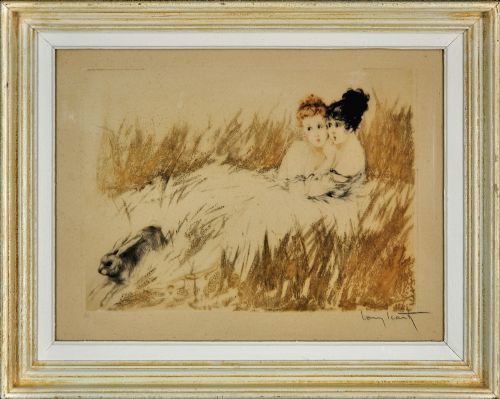
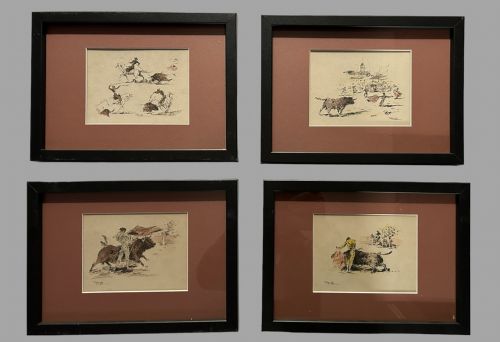
The items seen on this page range from single framed sheets to sets of four or twenty-seven prints. Subjects stretch from sporting scenes and military themes to Spanish impressionism and art deco compositions.
Originating across European workshops, these works combine printed lines with applied pigment. They serve primarily as decorative wall art preserved behind glass within wooden or gilt frames.
What varies in quality
The precision of the initial etching or stipple engraving separates standard decorative plates from superior examples. Sharpness of line and the subtlety of the subsequent hand-colouring define the visual merit of each piece.
The preservation of the paper support and the originality of the framing materials influence the overall character of the work. Period frames utilising gold leaf or Hogarth moulding hold greater contextual consistency with the prints they enclose.
Paper Coloured Etchings Retail Price Guide 2026
Typical asking prices for paper coloured etchings among the pieces listed under this phrase on Sellingantiques today, from the lower quarter to the upper quarter. They describe what is for sale here now, not the wider market.
Listings span the eighteenth century, the regency era, the Victorian period, and the nineteen-twenties, using paper, wood, glass, watercolour, and gold leaf.
Francesco Bartolozzi·Louis Icart·Gilray·T.A Prior·Joseph Constantime Stadler·George Edwards·Joaquim Terruella Matilla
The Paper Coloured Etchings Glossary
- Etching
- A printmaking technique where acid bites lines into a metal plate to hold ink. The resulting plate is then printed onto paper.
- Aquatint
- A printmaking method that produces tonal areas resembling watercolour washes. It is frequently combined with standard line etching.
- Stipple engraving
- A method of creating prints using a fine pattern of dots rather than continuous lines. This technique renders soft facial tones effectively.
- Hogarth frame
- A style of narrow wooden picture frame featuring a distinct rounded profile. It is commonly found on eighteenth and nineteenth-century prints.
- Hand-tinted
- A descriptive term for monochrome prints that have received colour by hand. Pigments are applied individually to each sheet after printing.
Paper Coloured Etchings: Frequently Asked Questions
How do I care for paper coloured etchings?
Keep framed prints away from direct sunlight to prevent the watercolour pigments and paper from fading over time. Maintain stable indoor humidity levels to protect the paper support and wooden frames.
Ensure the glazing remains intact and avoid hanging pieces in damp environments such as kitchens or unheated spaces.
Are these prints hand painted?
The linear base is printed from an engraved or etched metal plate onto paper. Colour is subsequently added by hand using watercolour or tinted ink.
This combination creates the specific appearance characteristic of the genre seen here.
What subjects are most common?
Subjects range widely across the listed periods, including ornithological studies of birds, military figures, and architectural details like Raphael's Loggia. Sporting art, portraiture, and bullfighting scenes also appear.
Botanical and topographical views form a significant portion of the available framed works.
How can I tell the period?
Examine the paper quality, the style of the engraving, and the framing materials to help determine the age. Eighteenth and nineteenth-century pieces often display specific plate marks and handwritten annotations.
Stylistic cues within the imagery, such as regency dress or art deco compositions, provide further chronological indicators.