
Paper Art Painting
Paper art painting spans delicate portrait miniatures and expansive watercolours from the 17th to the mid-20th century, offering collectors intimate views of past landscapes and figures.
Paper Art Painting
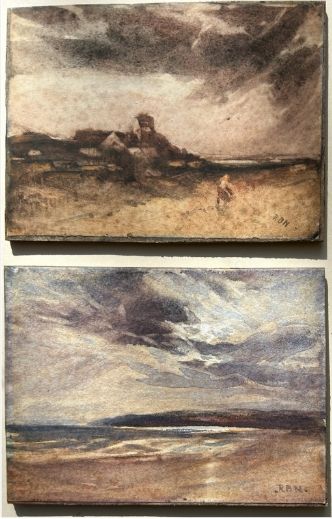
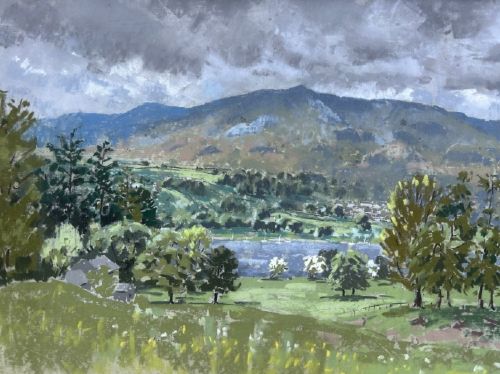
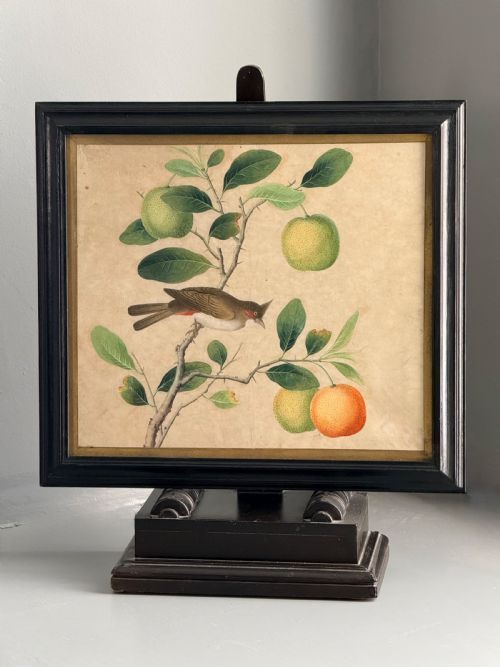
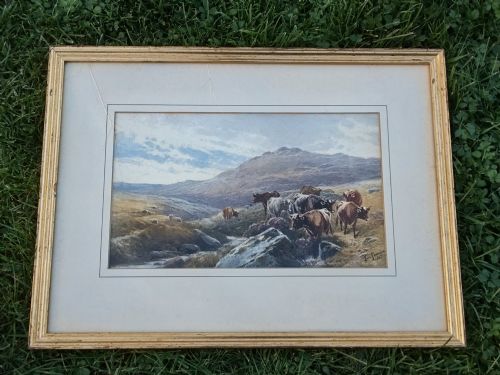
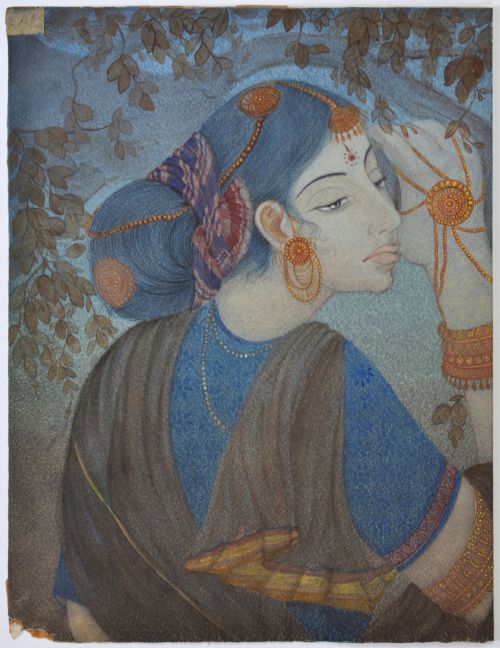
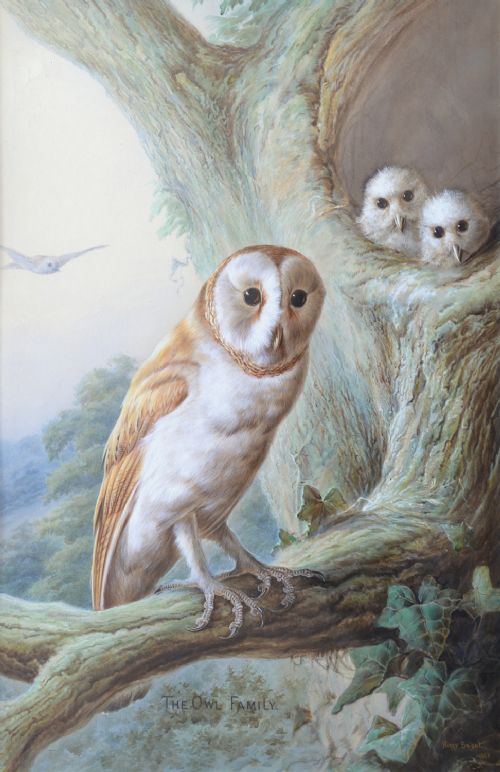
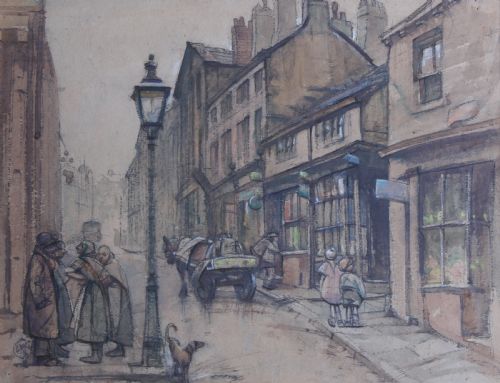
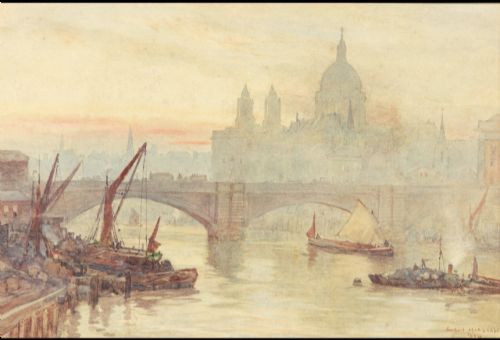
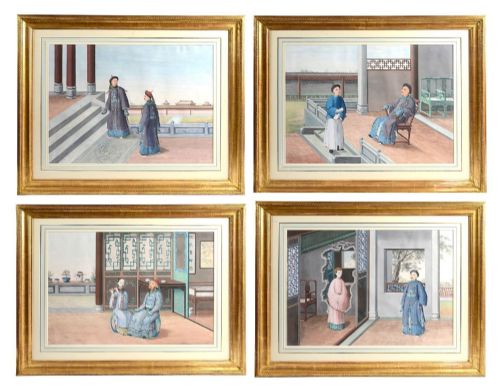
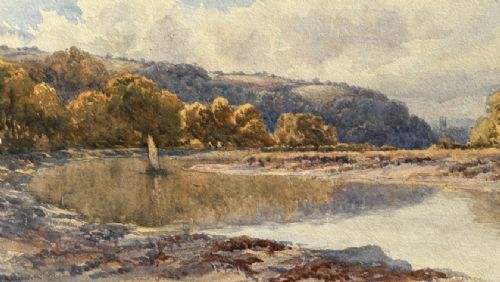
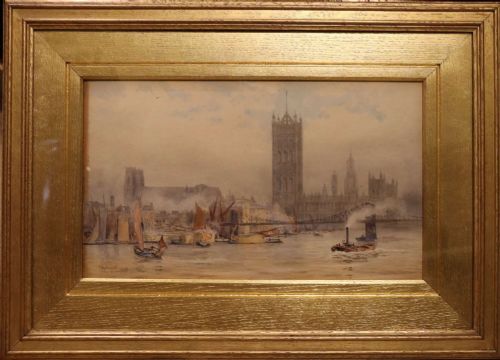
When searching for paper art painting, you encounter original watercolours, gouache works, pastels, and drawings executed directly on paper surfaces. The selection ranges from 17th-century interpretations and Regency Chinese export works to Victorian townscapes and mid-20th-century Cumbrian lake landscapes.
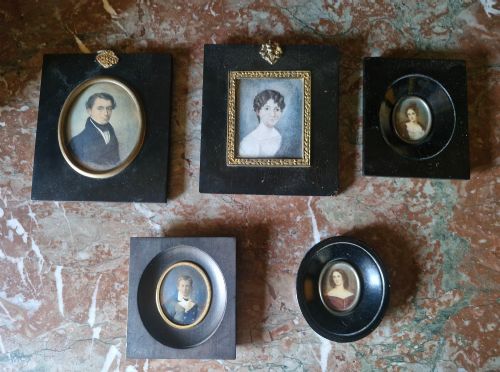
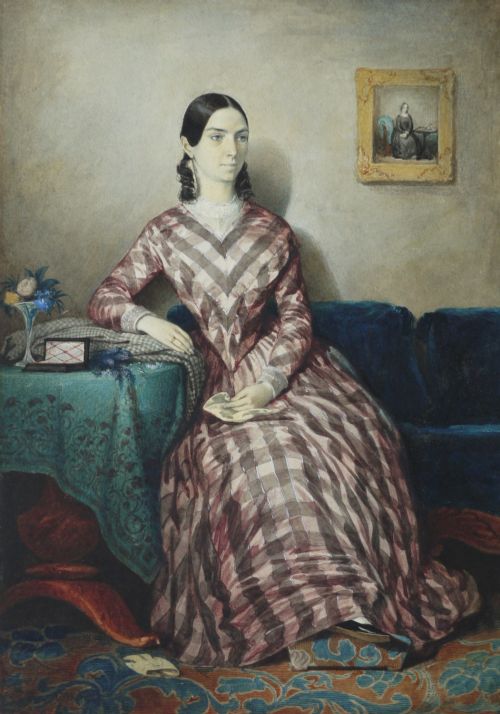
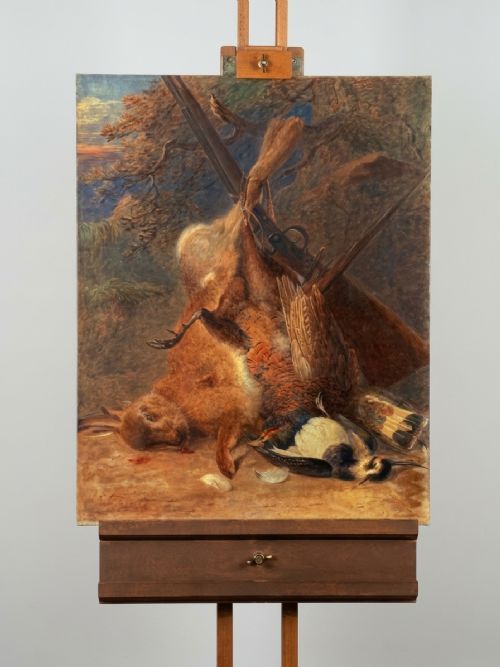
Most pieces meeting this description date from the 19th and early 20th centuries, reflecting traditional British Impressionism, English country pastorals, and topographical views. Forms vary widely from diminutive portrait miniatures and painted pith paper studies to exhibition-sized watercolours and charcoal drawings attached to canvas stretchers.
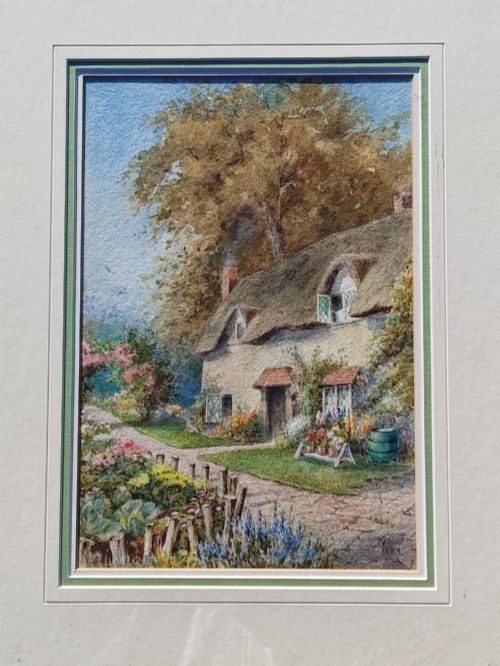
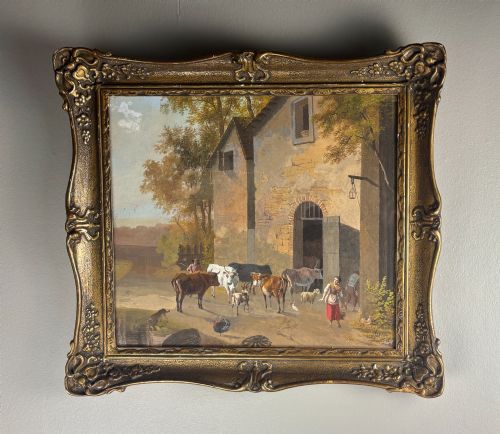
The category encompasses both signed works by known historical artists and anonymous regional sketches. Buyers encounter framed artwork and wall art that capture domestic scenes, maritime views, architectural studies, and rural landscapes with immediate pigment handling.
Materials and technique
Watercolour pigment, gouache, bodycolour, and pastel form the primary colouring agents applied across various paper supports, including traditional rag paper and delicate pith paper. Artists utilised fine ink and charcoal lines to establish composition before building washes and opaque highlights.
Framing often incorporates protective glass and wooden mounts to shield fragile paper fibres from environmental humidity and light degradation. Some works involve paper sheets attached securely to canvas stretchers for added structural support during display.
At least one royal heir caught the eye of pastel artists, preserving a princely gaze in chalk.
What distinguishes quality
Skill in pigment control and tonal gradation separates master draftsmen from provincial learners, particularly in the rendering of light on water, architecture, and human anatomy. The confidence of underlying brushstrokes and the preservation of paper integrity dictate the visual success of each composition.
The historical significance of the subject matter, presence of contemporary signatures, and documented provenance elevate certain pieces above standard decorative works. Condition issues such as foxing, fading, or heavy acidification reduce the desirability of otherwise capable watercolours.
Robert Buchan Nisbet·Angus Rands·Thomas Rowden·Harry Bright·Herbert Menzies Marshall·George Sydney Shepherd·H. Medlycott·Guido Bach·James Orrock·William Henry Earp·Richard Principal Leitch·Sir James Dromgole Linton·John R Prentice·Alfred Young Nutt·Percy Lancaster·James Smetham·John McDougal
The Paper Art Painting Glossary
- Gouache
- An opaque watercolour paint mixed with a binding agent such as gum, producing a heavier, flat finish than transparent washes. It allows artists to apply bright highlights over darker areas.
- Pith paper
- A delicate material cut from the pith of the Tetrapanax papyrifer plant, commonly used in 19th-century Chinese export painting. It accepts vibrant watercolours with a characteristic velvety texture.
- Bodycolour
- Watercolour paint rendered opaque by the addition of white pigment, frequently chalk or zinc white. Artists used this technique to add highlights and solid areas of light to traditional watercolours.
- Foxing
- Brown or reddish spots caused by chemical reactions in ageing paper, typically triggered by damp conditions and iron impurities in the manufacturing process. It appears frequently on 19th-century works.
- Pastel
- A dry painting medium consisting of powdered pigment combined with a binder, offering rich, velvety colour saturation. Works in this medium require glass protection to prevent smudging.
Paper Art Painting: Frequently Asked Questions
How should I display watercolour paintings safely?
Watercolours require framing behind glass with acid-free mounts to prevent direct contact between the fragile paper surface and the glazing. Keep these pieces away from direct sunlight to avoid fading delicate pigments.
Maintain stable indoor humidity levels to protect both the paper support and the wooden frame from warping or moisture damage over time.
What is the difference between watercolour and gouache?
Standard watercolour relies on transparent washes of pigment where the white of the paper shines through to create luminosity. Gouache includes added white filler, making the paint opaque and allowing for solid light application.
Many period artists combined both mediums within a single painting to achieve contrast between soft skies and solid architectural details.
How do I identify pith paper paintings?
Pith paper has a soft, slightly spongy texture and a delicate, fibrous appearance that reacts sensitively to moisture and pressure. It was utilised extensively for Chinese export painting during the 19th century.
These sheets are typically fragile and require secure framing to prevent cracking along the edges.
Why do some antique drawings feature canvas stretchers?
Larger works on paper were sometimes adhered to canvas stretchers to provide structural tension and prevent the lightweight paper from buckling or sagging within the frame. This technique was utilised for charcoal and pastel drawings.
It offers the visual presentation of an oil painting while retaining the delicate medium of paper art.