




Panelled Overmantel Mirror
A panelled overmantel mirror brings architectural weight and reflected light to a fireplace, grounding a room with historical presence.
Panelled Overmantel Mirror
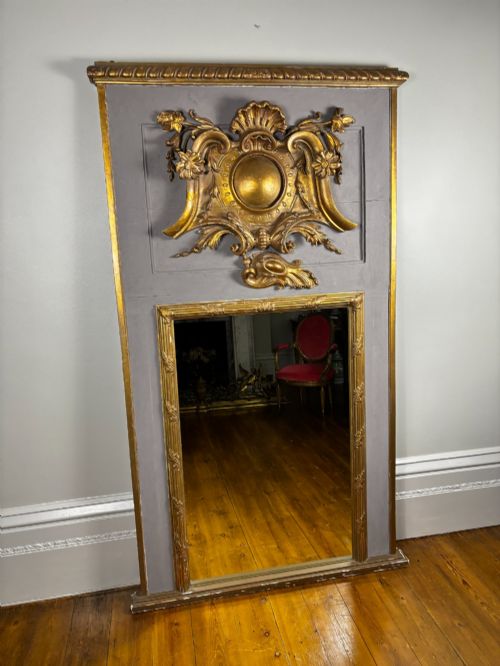
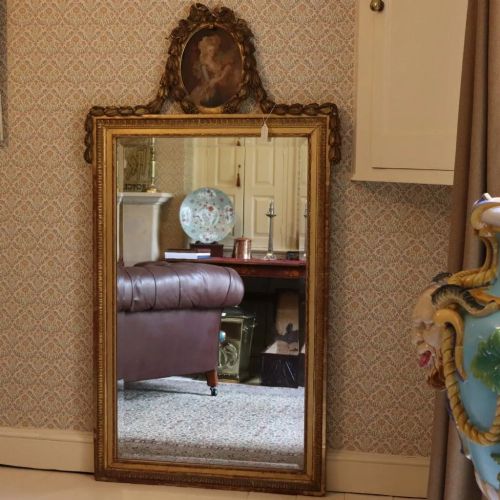
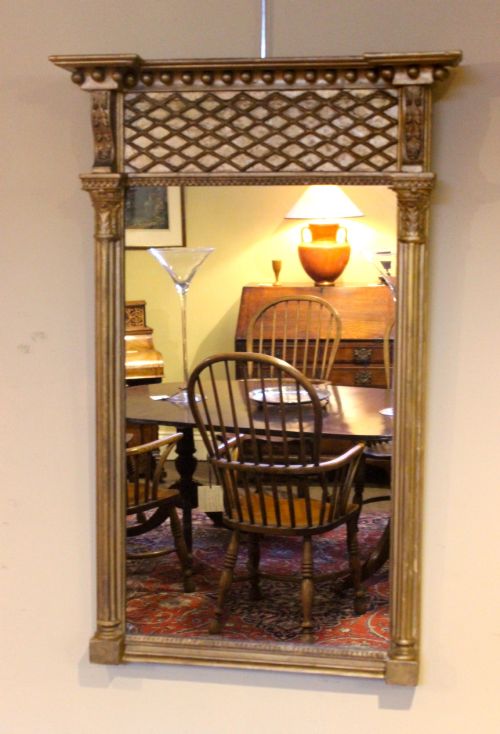
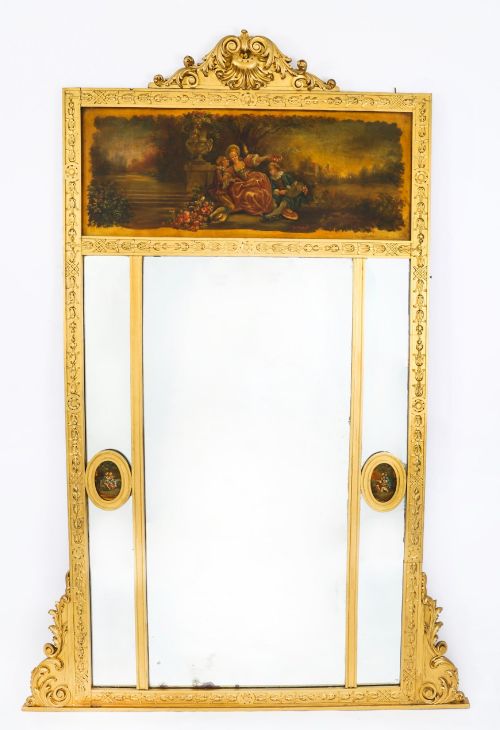
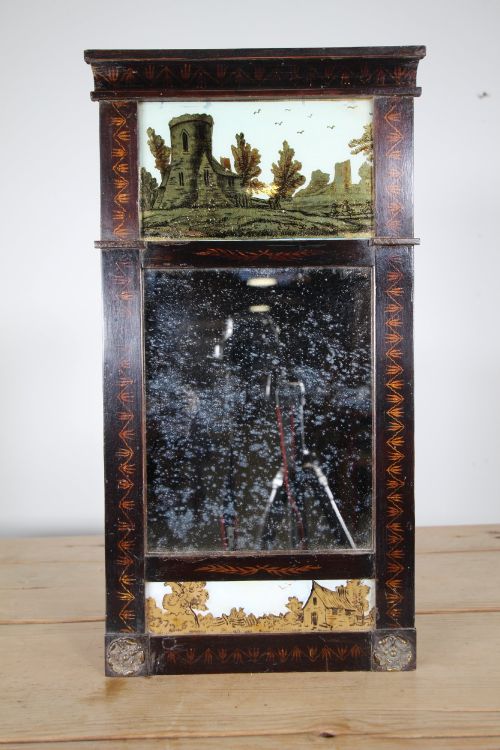
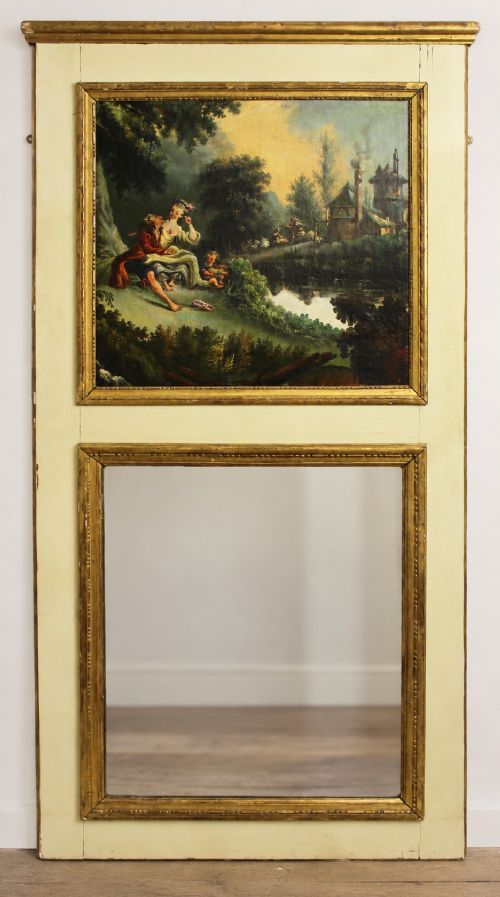
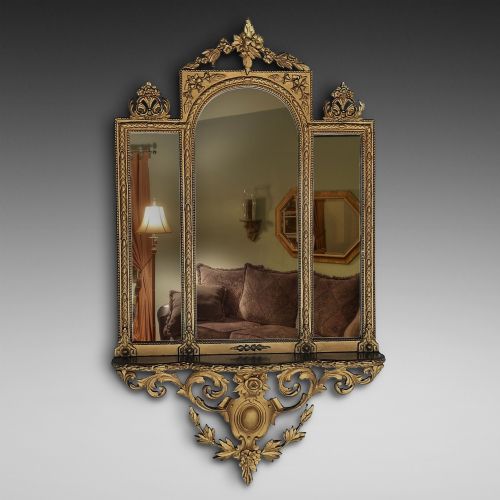
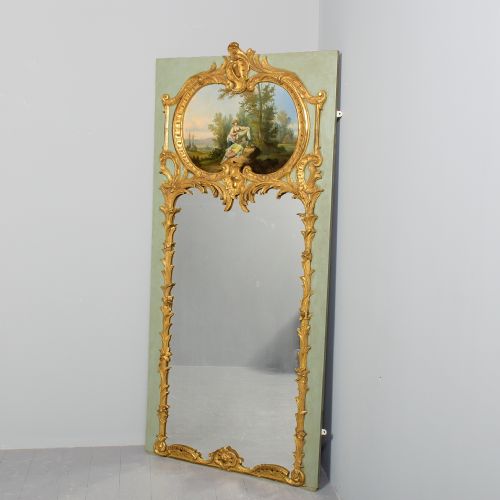
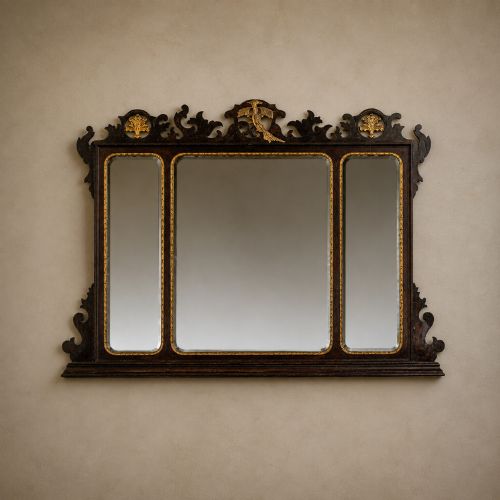
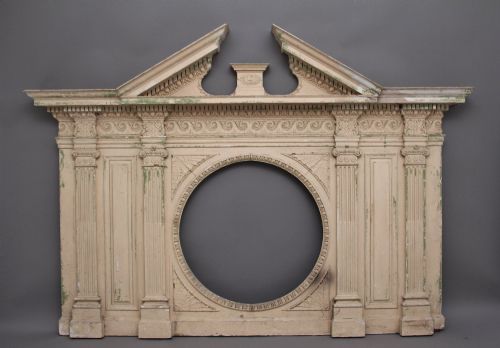
When searching for a panelled overmantel mirror, buyers encounter a specific class of large glass frames designed to sit directly above a mantelpiece. These pieces frequently incorporate separate sections, panels, or painted inserts alongside the main reflective surface, drawing on Regency, Victorian, and French design idioms. The selections available span from restrained 18th-century painted pine carcases to ornate 19th-century giltwood triptychs and trumeau formats featuring pastoral oils or verre eglomise glass.
The architectural lineage of these objects stems from the need to fill the broad wall space above a chimney breast without overwhelming the hearth below. Examples range from tripartite plates flanked by columns to tall vertical trumeau formats integrated with decorative panels. Such pieces establish a strong focal point in a reception room, reflecting daylight and expanding the apparent proportions of the interior.
Materials and construction methods
Makers constructed the primary frames of these mirrors from timbers such as mahogany, oak, walnut, and pine, often applying layers of gesso to build up intricate surface ornamentation before gilding with gold leaf or finishing with paint. Giltwood and painted finishes dominate the corpus, frequently paired with secondary panels of reverse-painted glass or oil on canvas. The joining of multiple mirror plates into triptych or multi-section formats required precise carpentry to house the glass securely within heavy wooden rebates.
Surface detailing relies on traditional carver's techniques, producing classical motifs, acanthus leaves, columns, and crestings such as the distinctive Ho-Ho bird. Where trumeau mirrors are concerned, the integration of painted wood panels or pastoral scenes above the glass plate follows established French and English decorative traditions of the 18th and 19th centuries. The physical weight of these large frames necessitated robust internal bracing and secure hanging hardware to withstand the vertical load.
Panelled Overmantel Mirror Retail Price Guide 2026
Typical asking prices for panelled overmantel mirror among the pieces listed under this phrase on Sellingantiques today, from the lower quarter to the upper quarter. They describe what is for sale here now, not the wider market.
Occasional 19th-century Irish triptychs feature carved squirrels alongside traditional Ho-Ho birds perched atop the frame.
Distinctions in execution and grade
Quality in these mirrors rests primarily on the crispness of the hand-carved ornament and the harmony of the proportions between the frame, the mirror plates, and any accompanying panels. Superior examples display deeply undercut foliage, finely executed eglomise work, and harmonious integration of the upper decorative panel with the glass below, whereas lesser pieces rely on mechanical mouldings or flat, uninspired painted surfaces.
The integrity of the gilding and the preservation of original mirror plates contribute significantly to a piece's standing. Original mercury or older silvered glass panels exhibit soft, oxidised speckling that defines age, while clumsy later restorations to the gesso or replacement plates diminish the historical coherence of the object.
The Panelled Overmantel Mirror Glossary
- Trumeau mirror
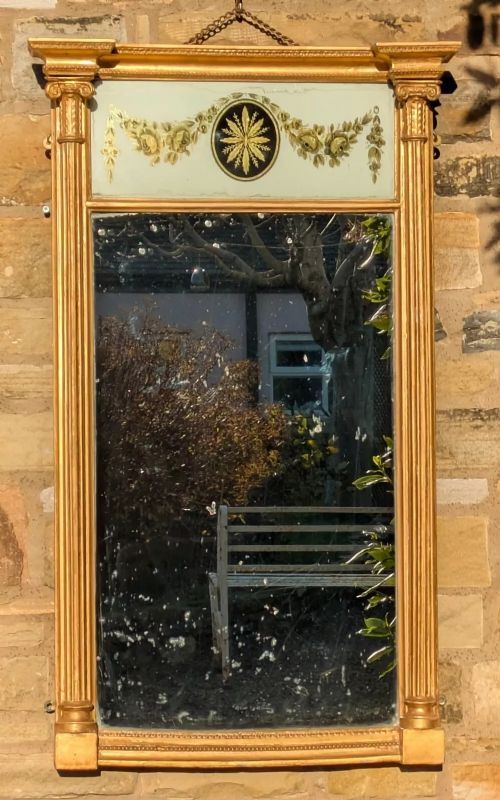
- A decorative wall mirror incorporating a painted wooden panel or artwork directly above the glass plate. This French format was widely adopted in English interiors during the Regency and Victorian eras.
- Eglomise
- A technique involving cold painting and gilding on the reverse face of glass to produce a metallic, silhouetted design. It frequently appears in the upper panels of Regency pier glasses and overmantels.
- Triptych
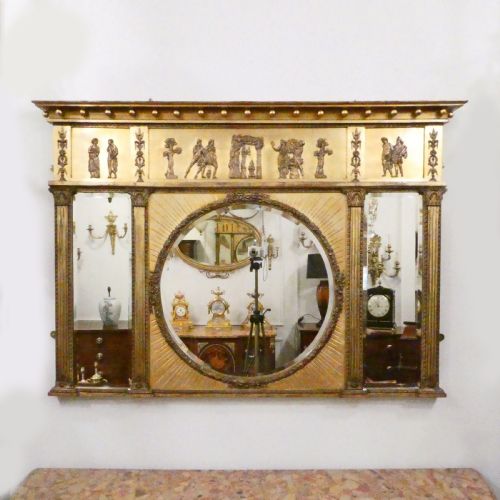
- A mirror composed of three distinct side-by-side plates, often separated by slender wooden mullions or engaged columns. This layout widens the reflective field above a mantel.
- Pier glass
- A tall, narrow mirror designed specifically to hang on the wall space or pier between two windows. They share many stylistic traits with overmantel mirrors of the same periods.
- Overmantel
- A large mirror or frame configured expressly for placement on the masonry or woodwork directly above a fireplace opening. These objects anchor the decorative scheme of the hearth.
Panelled Overmantel Mirror: Frequently Asked Questions
How do I hang a heavy overmantel mirror?
These large frames require secure fastening directly into masonry or robust wall studs using heavy-duty brackets suited to the weight of the timber and glass.
Consult a professional installer to ensure the hanging hardware bears the vertical load safely above the fireplace.
Were these mirrors always meant for fireplaces?
While specifically proportioned to sit above mantelpieces, many similar large formats functioned as pier glasses placed between windows to maximise light.
Their architectural frames allowed them to serve both purposes depending on the scale of the room.
How do I identify a Regency period overmantel?
Regency examples frequently display classical restraint, featuring reeded columns, ball-detail cornices, and eglomise upper panels rather than heavy Victorian carving.
Proportions tend to be neat, favouring horizontal triptych formats with clean architectural lines.
What is the difference between a trumeau and a standard overmantel?
A trumeau incorporates a distinct painted panel or oil painting integrated into the frame above the mirror glass, originating from French decorative traditions.
Standard overmantels focus entirely on glass plates and carved wooden ornament without pictorial panels.