

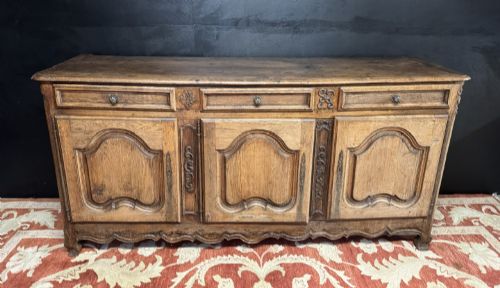
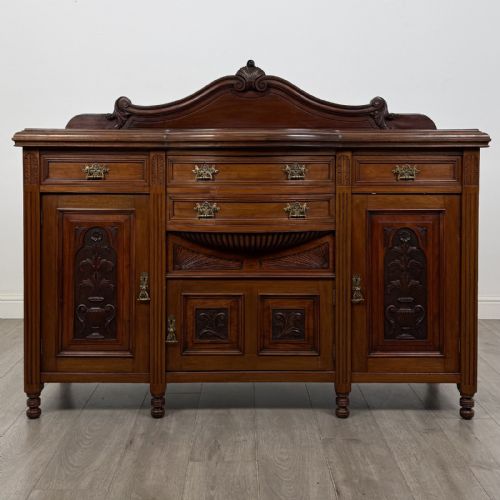
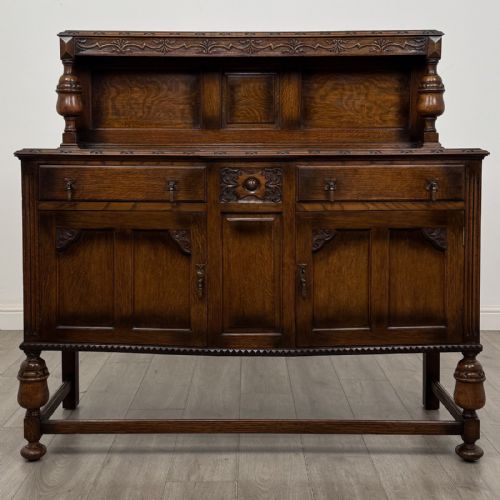
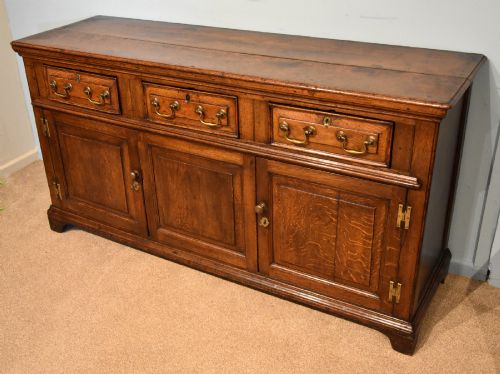
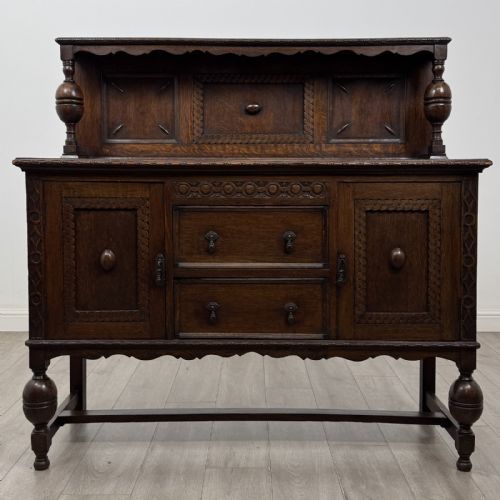
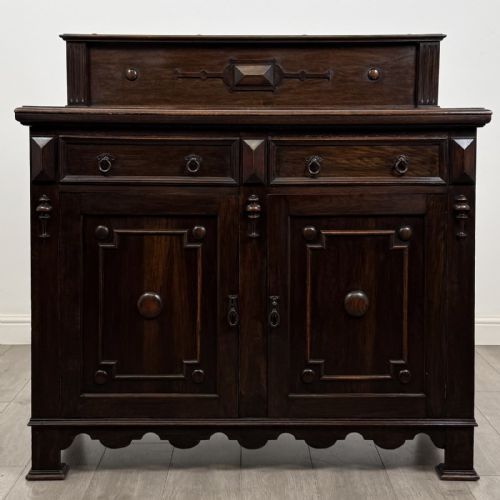
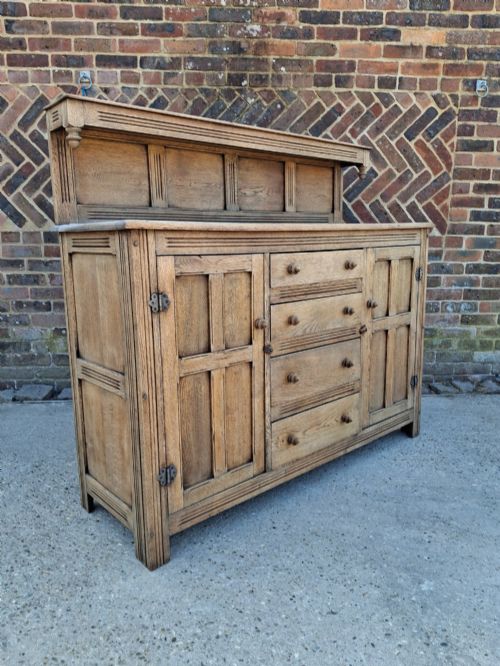
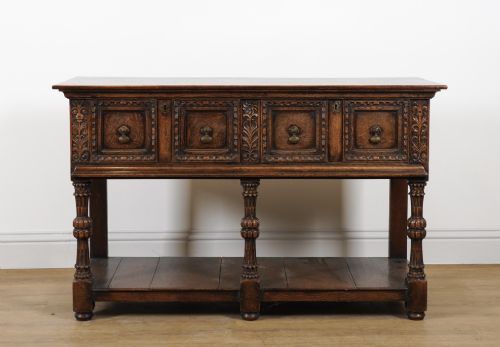
Panelled Oak Buffet
These panelled oak buffets and related timber storage pieces bring substantial vernacular presence and enduring utility to any room.
Panelled Oak Buffet
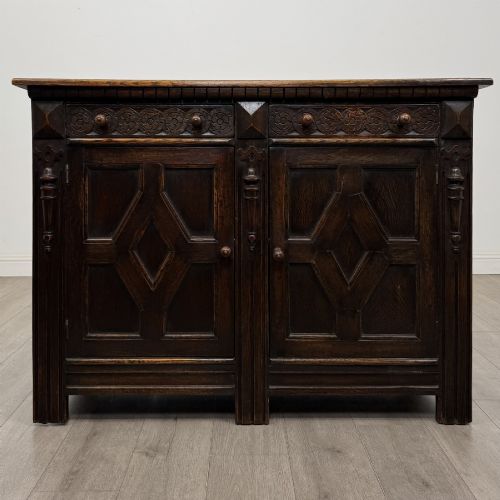
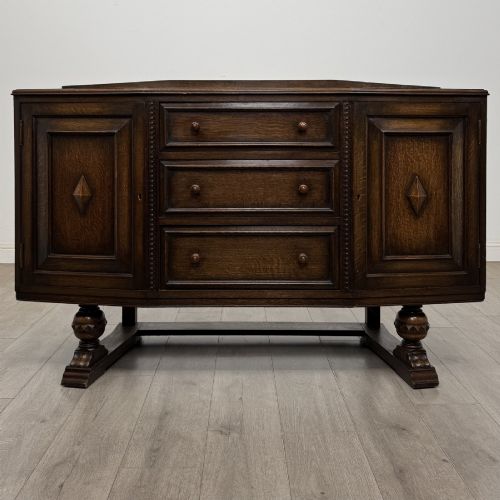
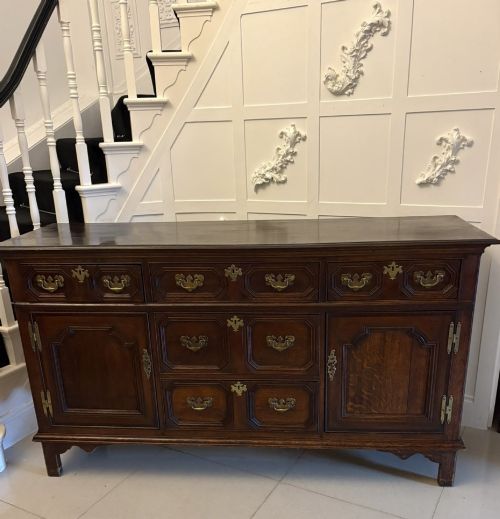
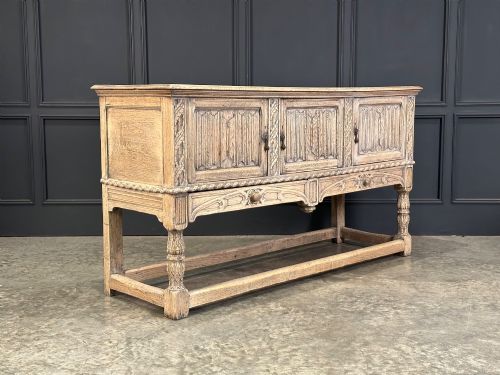
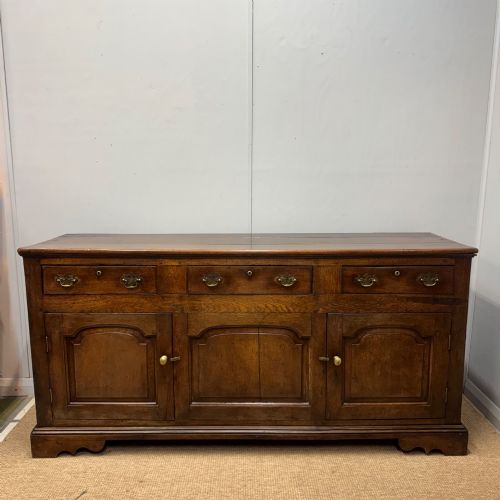
A panelled oak buffet is fundamentally a heavy storage piece built around solid timber frames, frequently taking the form of a dresser base, court cupboard, or low sideboard. When searching this phrase, a buyer encounters pieces spanning several centuries, from early joined examples to later revival interpretations.
The versions most commonly met on this page originate in the eighteenth and nineteenth centuries, alongside regional variants like Welsh dresser bases and French provincial buffets. These forms combine enclosed lower cupboards with sturdy flat tops designed for serving or display.
Materials and construction methods
Makers relied primarily on solid English and European oak, joined using traditional mortise and tenon frames that accommodated seasonal wood movement in large panels. Secondary woods like elm and fruitwood occasionally appear in structural parts or internal drawers.
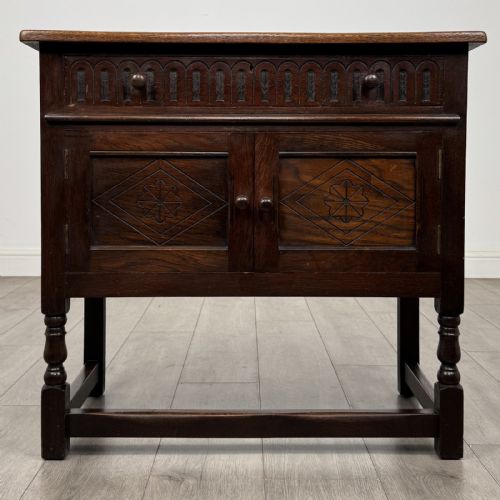
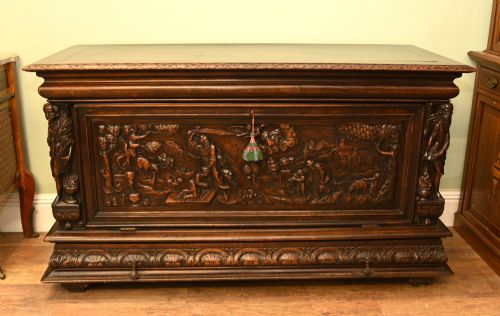
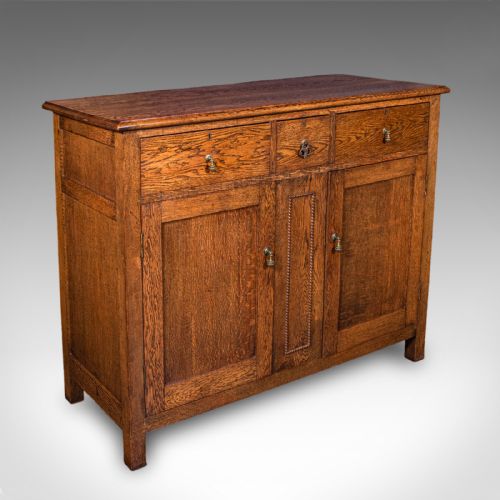
Surface ornamentation involved hand carving, geometric mouldings, and applied panel work, sometimes augmented with brass knobs or iron hardware. Later revival pieces utilised similar joinery techniques while introducing machine-sawn elements and chemical bleaching.
Panelled Oak Buffet Retail Price Guide 2026
Typical asking prices for panelled oak buffet among the pieces listed under this phrase on Sellingantiques today, from the lower quarter to the upper quarter. They describe what is for sale here now, not the wider market.
Some seventeenth-century cupboards retain hidden compartments originally intended for concealing family valuables from wandering tax collectors.
Distinguishing quality across periods
The division between standard vernacular items and superior examples rests on the depth of the timber selection, the crispness of the hand-carved panels, and the integrity of the original joints. Early joined pieces demonstrate tighter grain and thicker timbers than later mass-produced revivals.
Proportion and surface patination further define the hierarchy, where untouched waxed surfaces and balanced geometric arrangements outrank heavy-handed later alterations or replacement hardware.
Maple & Co
The Panelled Oak Buffet Glossary
- Court cupboard
- A heavy enclosed storage piece, typically featuring an upper section recessed above a wider lower base. These are quintessential examples of early domestic joinery.
- Dresser base
- A low, long cabinet fitted with drawers and cupboards beneath a flat top, historically used for food preparation and serving. They form a large portion of the available oak inventory.
- Joined construction
- A method of framing furniture using interlocking tenons secured by wooden pegs rather than modern fasteners. This technique provides exceptional structural longevity.
- Panel
- A flat piece of wood fitted within a grooved frame to prevent splitting as the timber expands and contracts. Geometric arrangements of these panels define much of the regional aesthetic.
- Patina
- The deep, lustrous surface sheen developed over centuries through handling, waxing, and exposure to light. It serves as a primary indicator of age and authenticity.
Panelled Oak Buffet: Frequently Asked Questions
What is a panelled oak buffet?
A panelled oak buffet is a heavy storage cabinet featuring framed wooden panels and solid timber construction, designed for domestic use in dining rooms or hallways.
These pieces range from early joined court cupboards to later Georgian dresser bases and Victorian server units.
How do I date an oak buffet?
Dating relies on examining the construction methods, tool marks, joinery peg types, and the style of the panel mouldings. Early pieces show irregular hand-sawn timber surfaces and pegged mortise joints.
Revival pieces from later centuries often use standardised machine-cut boards and contemporary hardware fixings.
Where were these buffets used?
Historically, these low cupboards and server bases stood in kitchens, halls, and dining parlours to store tableware, dry goods, and serving platters.
Today, buyers place them in modern living spaces as sideboards, media consoles, or statement storage furniture.
How do I maintain oak furniture?
Maintenance requires regular application of natural beeswax to nourish the timber and preserve the historic surface patination without stripping the finish.
Keep the wood away from direct heat sources and sudden humidity changes to prevent the solid panels from splitting.