

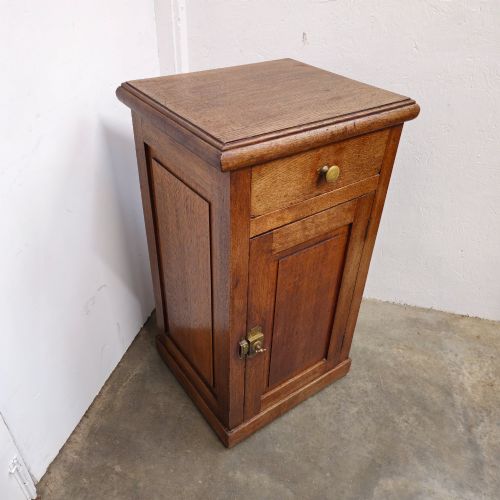
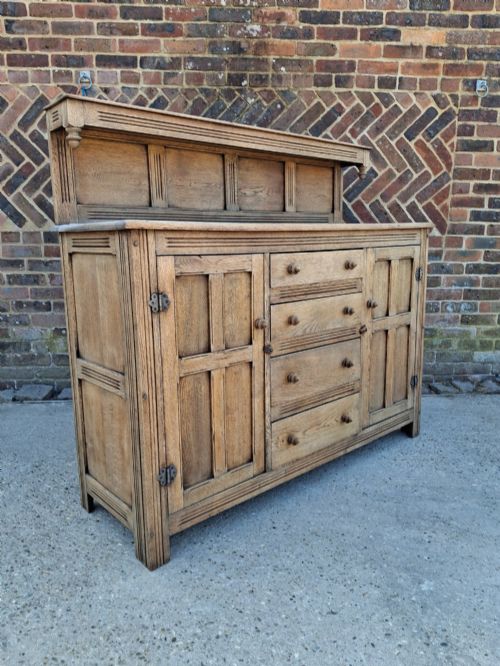
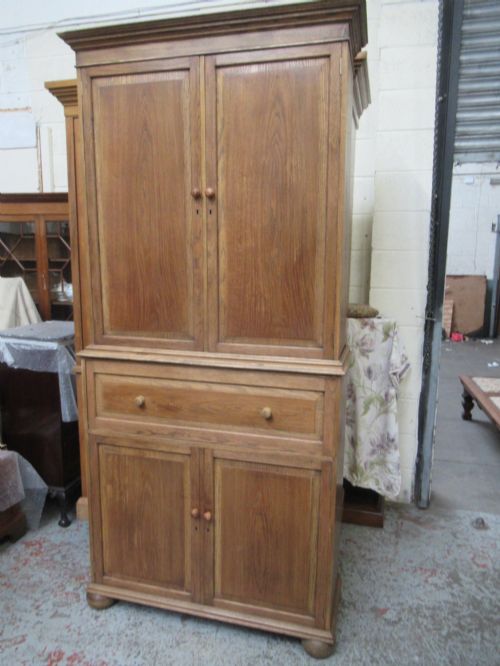
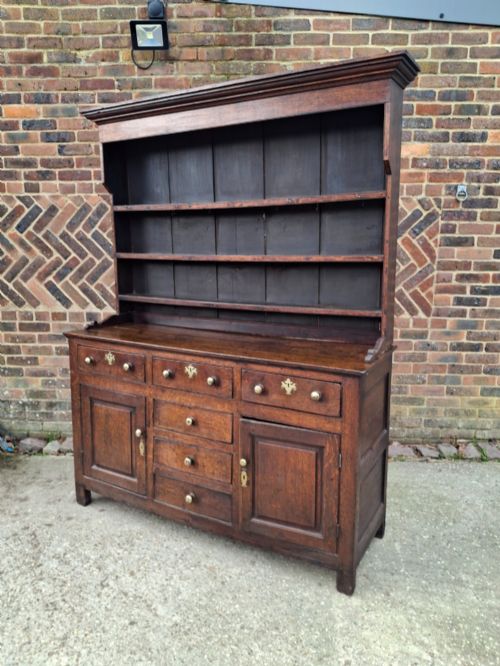
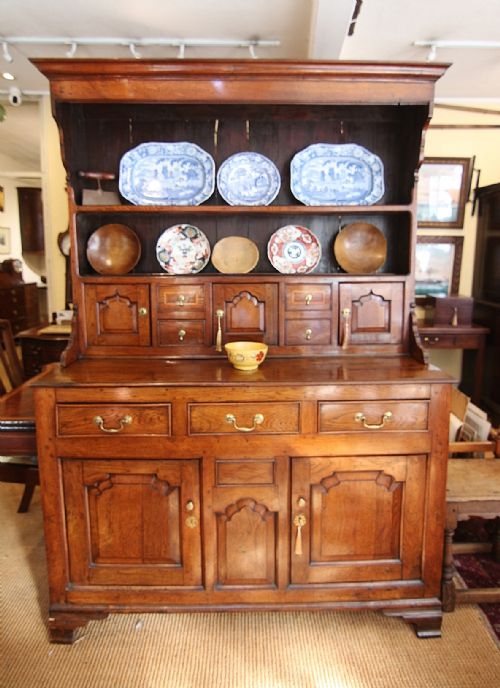



Panelled Kitchen Cupboard
A panelled kitchen cupboard brings honest utility and timber warmth to a room, offering the steadfast storage that country houses and farmhouses relied upon for generations.
Panelled Kitchen Cupboard
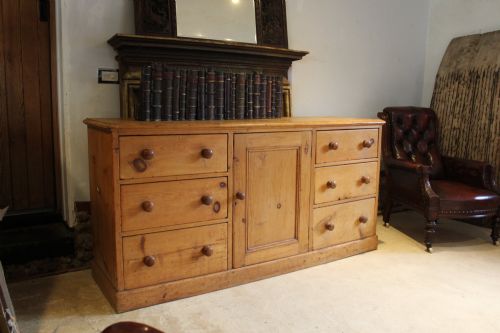
A panelled kitchen cupboard provides sturdy storage rooted in centuries of domestic life. When you search for a panelled kitchen cupboard, you encounter robust freestanding furniture designed to hold provisions, tableware, and household goods.
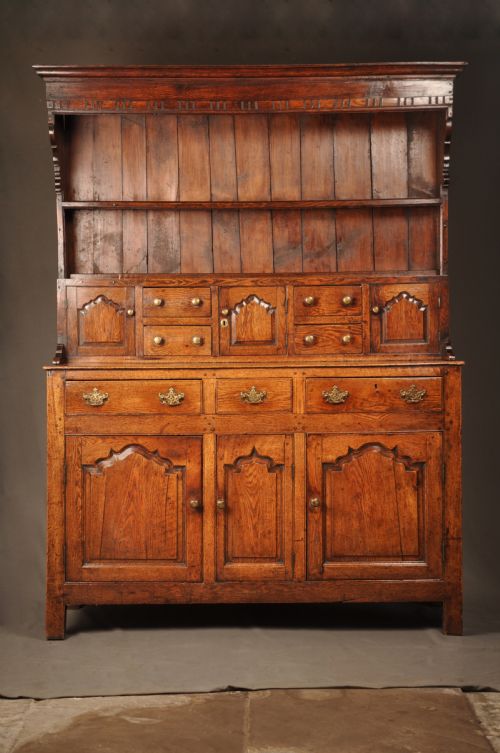
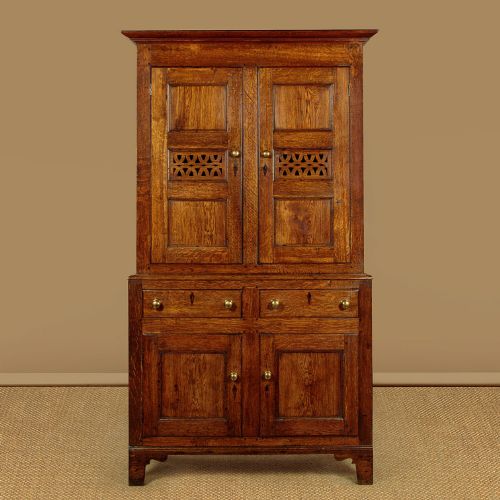
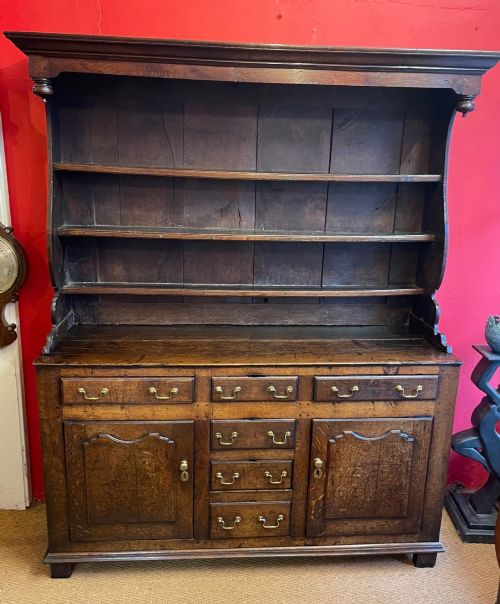
The selection ranges from early oak spice cabinets and low buffets to expansive Welsh dressers and pine food cupboards. Many examples date from the eighteenth and nineteenth centuries, reflecting English country, French provincial, and Georgian vernacular traditions.
You are most likely to meet oak and pine pieces featuring framed panel construction. These range from modest wall-hanging cupboards to substantial two-part dressers with plate racks.
How they were made
Cabinet makers built these pieces primarily using solid oak and pine, supplemented by chestnut, ash, brass, and iron hardware. Timber was selected for durability, with grain patterns chosen to face outward on doors and drawer fronts.
Construction relied on traditional joinery methods such as mortise and tenon frames holding inset wooden panels. This method allowed the timber to expand and contract naturally with kitchen humidity without splitting the structure.
Iron hinges, latches, and brass pulls were secured by hand, while decorative touches often included carved mouldings, fielded panels, and occasional painted finishes on softwoods.
Panelled Kitchen Cupboard Retail Price Guide 2026
Typical asking prices for panelled kitchen cupboard among the pieces listed under this phrase on Sellingantiques today, from the lower quarter to the upper quarter. They describe what is for sale here now, not the wider market.
What varies in quality
Quality rests upon the selection of timber and the integrity of the original construction. Superior pieces retain thick, unwarped planks and hand-planed surfaces that show the direct work of the maker.
The retention of original hardware, hinges, and locks distinguishes exceptional survivals from pieces altered over time. Finer items display crisp carving and well-proportioned framing rather than heavy, coarse assembly.
The Panelled Kitchen Cupboard Glossary
- Fielded panel
- A wooden panel with bevelled edges designed to fit tightly into a grooved frame. This technique allowed the timber to move freely without cracking.
- Dresser base
- The lower section of a kitchen storage unit, usually comprising drawers and cupboards. It served as a vital work surface and storage hub in the rustic kitchen.
- Welsh dresser
- A large kitchen cabinet combining a lower base of drawers or cupboards with an upper plate rack. It displayed ceramic tableware while keeping everyday items within reach.
- Food cupboard
- A ventilated cabinet utilised for storing perishables before mechanical refrigeration. Panels often incorporated pierced tin or wire mesh to allow air circulation.
Panelled Kitchen Cupboard: Frequently Asked Questions
What is a panelled kitchen cupboard?
A panelled kitchen cupboard is a traditional freestanding storage unit constructed with framed wooden panels. These pieces served as the primary storage for food, utensils, and kitchenware in historic homes.
Today, they function as versatile storage furniture in modern kitchens and dining rooms, providing deep shelving and enduring timber character.
How do I date an old cupboard?
Dating relies on observing construction methods, timber choice, and hardware styles. Eighteenth-century examples often display hand-riven oak, pegged joints, and wrought iron butterfly hinges.
Later nineteenth-century pieces in pine or ash tend to use machine-sawn timber, simpler backboards, and brass or cast iron fittings characteristic of the Victorian era.
Were these cupboards painted originally?
Many pine and softwood food cupboards received protective coats of paint or wash to seal the wood and brighten dark farmhouse interiors. Over decades, these painted surfaces developed natural wear and patination.
Hardwood pieces like oak were typically left unpainted to showcase the natural grain, treated only with oils or wax over generations of use.
How do I care for antique timber?
Antique timber responds best to stable room environments away from direct heat sources and strong sunlight, which can dry and split old boards. Regular application of beeswax maintains the moisture and sheen of the wood.
Avoid modern silicone polishes, as they build up residue on historic surfaces and alter the natural lustre developed over centuries.