





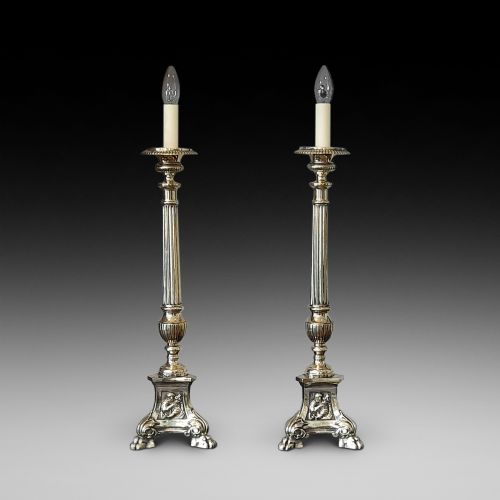
Pair Tall Candlestick Lamps
Pair tall candlestick lamps bring height and illumination to a room, drawn from eras ranging from the eighteenth century to the mid-twentieth.
Pair Tall Candlestick Lamps
When you search for pair tall candlestick lamps, you encounter lighting conversions and altered altar pieces sourced from diverse periods including the Victorian era, the nineteenth century, and the nineteen-twenties. These objects adapt vertical candlesticks, prickets, and columns into functional table and standard lighting.
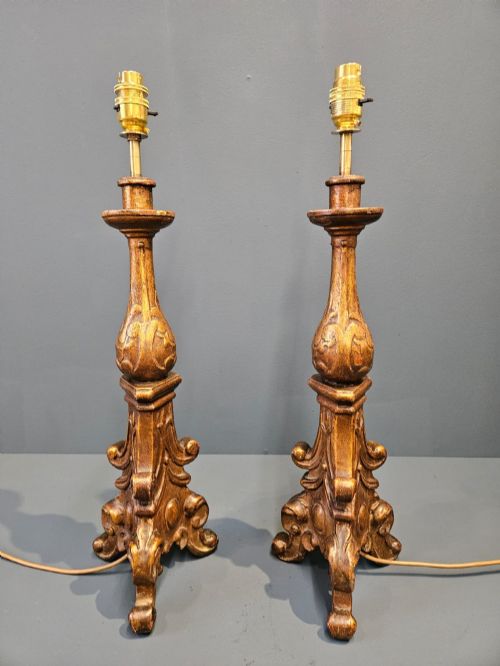
The selections available range from Italian Baroque and French Rococo giltwood to heavy brass Corinthian columns and timber constructions. Many examples originate from ecclesiastical settings, utilising church candlestick forms to create imposing vertical presence.
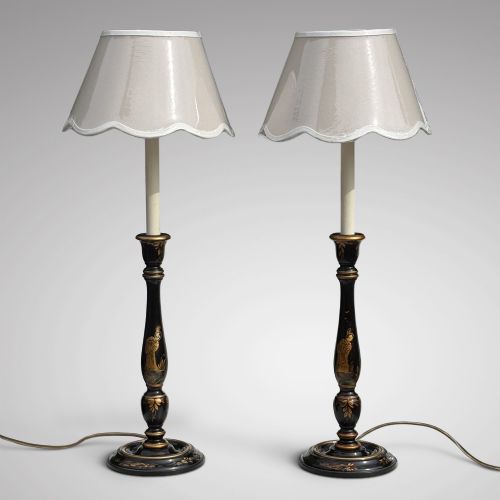
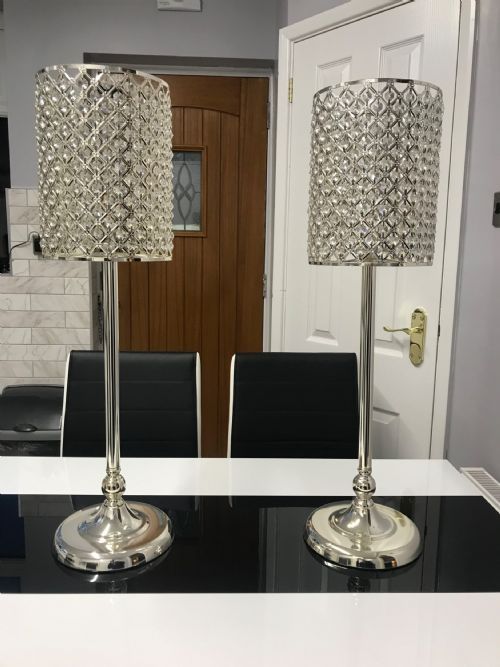
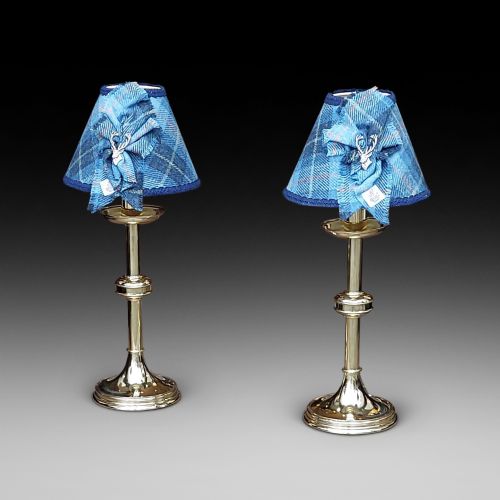
You are most likely to meet brass and giltwood variants on this page, alongside lacquered wood and silver-plated designs. Their heights demand careful placement on large tables or sideboards where tall proportions balance the room.
How they were made
Makers constructed the foundational shafts using turned timber, carved oak, and cast brass, often applying gesso and giltwood to achieve ornamental richness. Metal elements show heavy casting and plating techniques typical of nineteenth-century foundry work.
Wooden components display hand-carving and lacquering, particularly evident in Chinoiserie and French styles. Artisans adapted existing pricket candlesticks and columns by boring channels for electrical wiring during later conversions.
Pair Tall Candlestick Lamps Retail Price Guide 2026
Typical asking prices for pair tall candlestick lamps among the pieces listed under this phrase on Sellingantiques today, from the lower quarter to the upper quarter. They describe what is for sale here now, not the wider market.
The listings on this page span materials including brass, giltwood, lacquered wood, and silver plate across periods from the eighteenth century to nineteen-sixty.
What varies in quality
The distinction between ordinary and superior pieces rests on the crispness of the carving in giltwood and the substantial weight of the brass or timber shafts. Finer examples retain original gilding and surface patination without excessive modern intervention.
Proportion and structural balance dictate the success of the conversion, ensuring that height does not compromise stability. High-quality items display harmonious joins and authentic period materials rather than assembled composite parts.
The Pair Tall Candlestick Lamps Glossary
- Pricket
- A sharp metal spike on a candlestick designed to secure a wax candle by its base. This form frequently appears on converted church altar pieces.
- Giltwood
- Timber that has been coated with a thin layer of gold leaf or gold paint. It appears widely on Italian and French decorative pieces.
- Corinthian
- An architectural order featuring ornate capitals decorated with acanthus leaves. This style defines many classical brass column lamps.
- Chinoiserie
- European interpretations of Chinese and East Asian artistic traditions. It is typically expressed through lacquered surfaces and painted decoration.
- Ecclesiastical
- Design relating to a church or chapel. Items of this origin include heavy brass and Gothic style candlestands.
Pair Tall Candlestick Lamps: Frequently Asked Questions
Are these lamps originally wired for electricity?
Most of these pieces began life as non-electric candlesticks, altar lights, or architectural columns before being converted for modern domestic use.
This adaptation usually involves running a cord down a central channel or discreetly along the exterior shaft.
How do I date a brass candlestick lamp?
Dating relies on manufacturing techniques, casting seams, and stylistic indicators such as column capitals and base designs.
Earlier nineteenth-century examples tend to use heavier cast components compared to lighter twentieth-century production.
Where should I place a tall candlestick lamp?
Their height requires sturdy placement on large sideboards, console tables, or directly on the floor for standard lamp versions.
Ensure the surrounding furniture scale matches the vertical presence of the piece.
What is the difference between giltwood and brass?
Giltwood consists of carved timber treated with gold leaf or metallic paint, offering a warmer, matte decorative texture.
Brass provides a solid metal construction with a polished or patinated metallic sheen.