
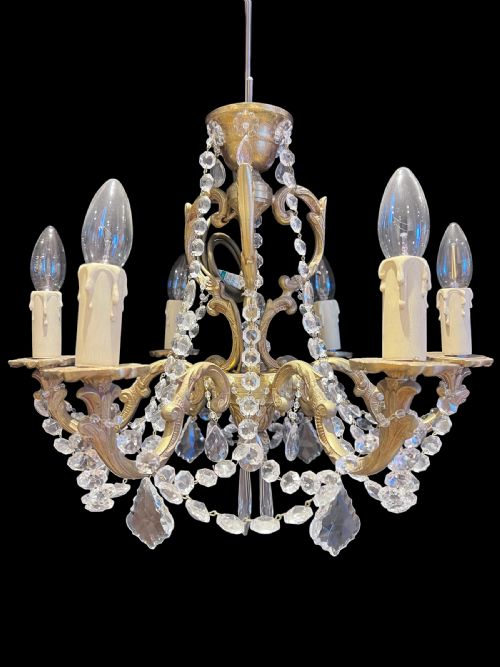
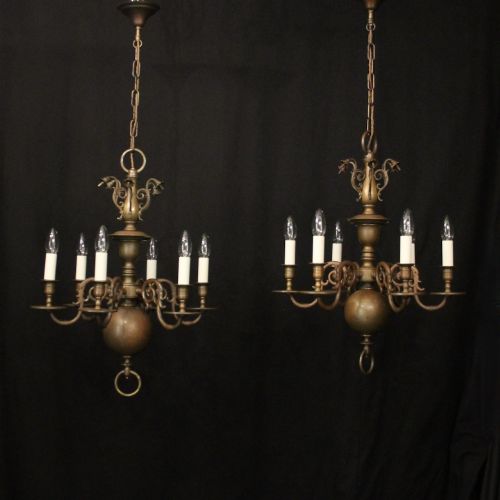
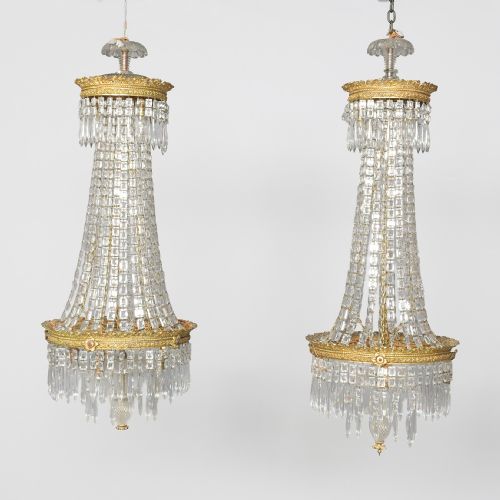
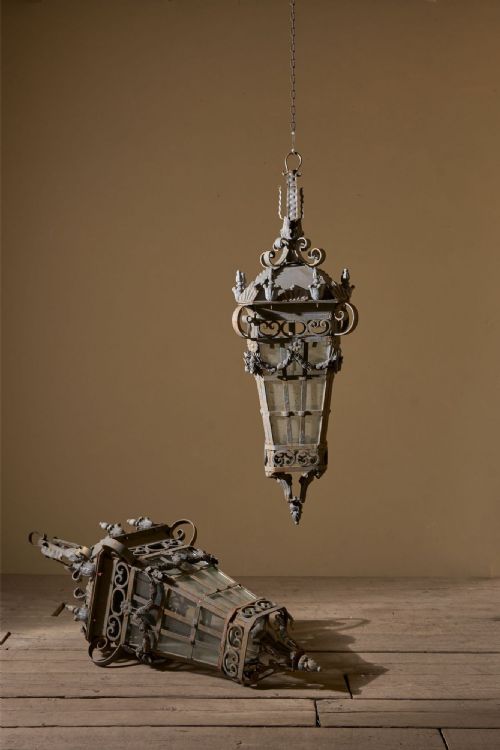
Pair Pendant Lights
These pair pendant lights bring matched illumination and period character to hallways and rooms, drawing on designs from the nineteen hundreds through to the nineteen thirties.
Understanding Pair Pendant Lights
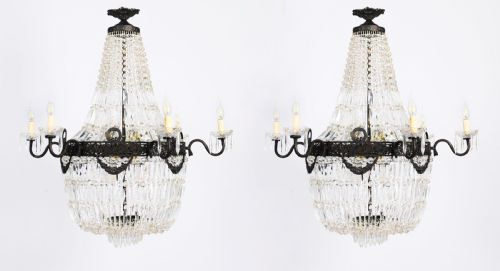
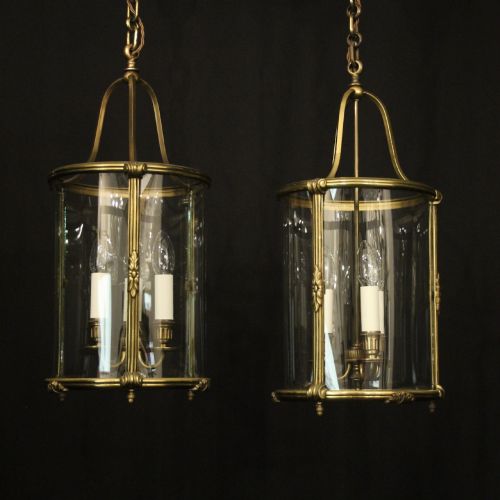
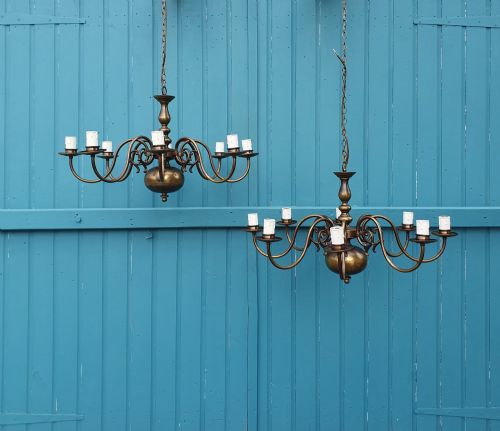
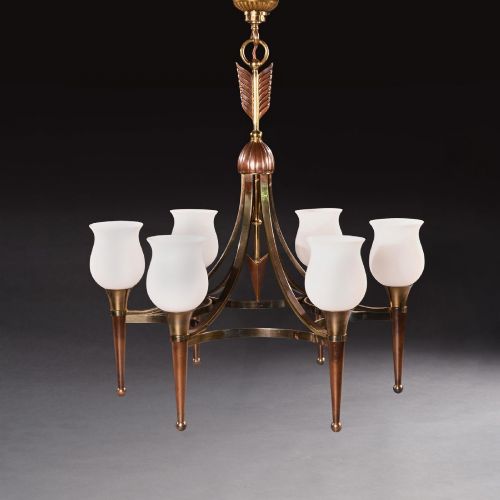
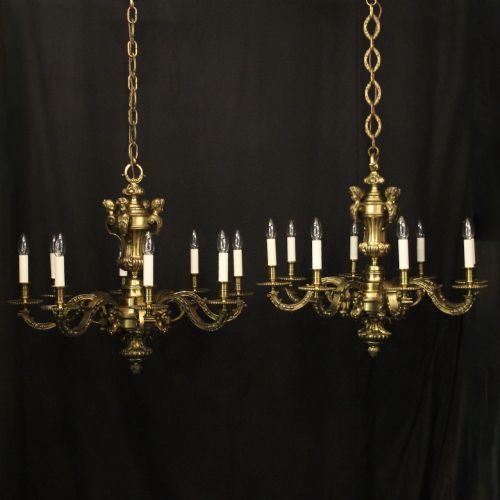
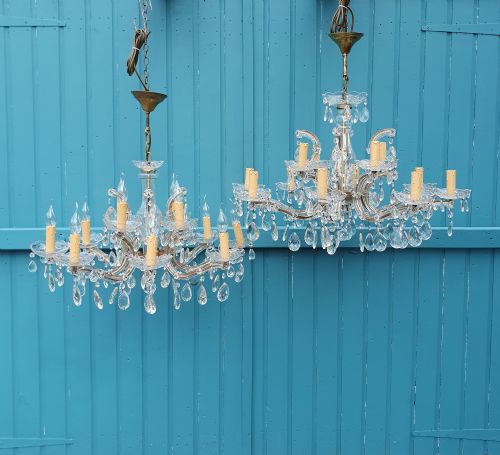
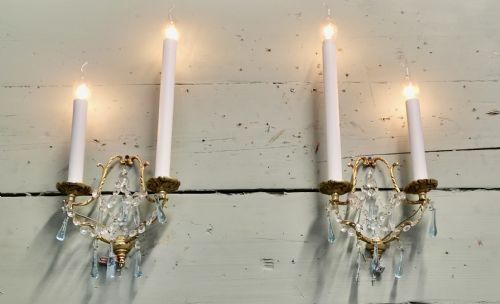
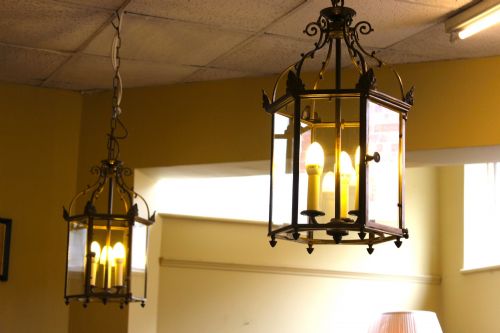
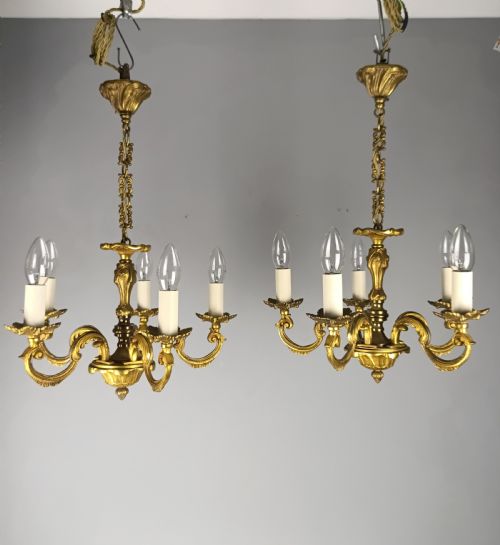
When you search for pair pendant lights, you are looking at matched hanging luminaires designed to light rooms in pairs from above. The listings show forms ranging from lantern styles to simple glass shades suspended from ceilings.
The versions you are most likely to meet on this page span the Art Nouveau period, nineteen twenties, and nineteen thirties. They appear in French, Italian, and British origins with various metal and glass components.
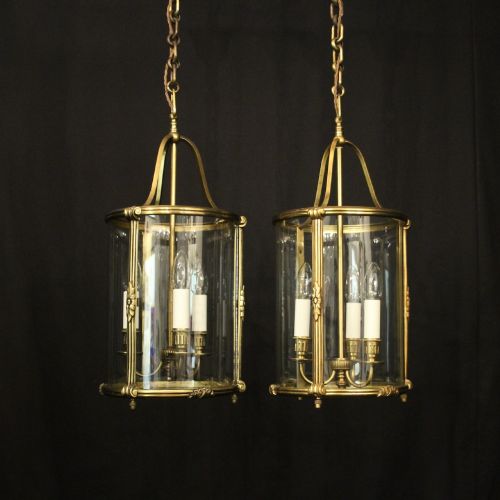
Makers and suppliers recorded in the evidence include names like F&C Osler, GEC, and S.Fauer. The configurations include twin light lanterns, hall lanterns, and rise and fall mechanisms.
Materials and Construction
Manufacturing methods involve moulding or ribbing glass shades, etching glass lamp shades, and mounting them onto metal galleries. Some pieces utilise original brass or aged brass hardware alongside fitted electrical wiring.
Listings feature periods from the nineteenth century up to nineteen thirty, utilising brass, bronze, steel, and various moulded glasses.
Judging Quality and Execution
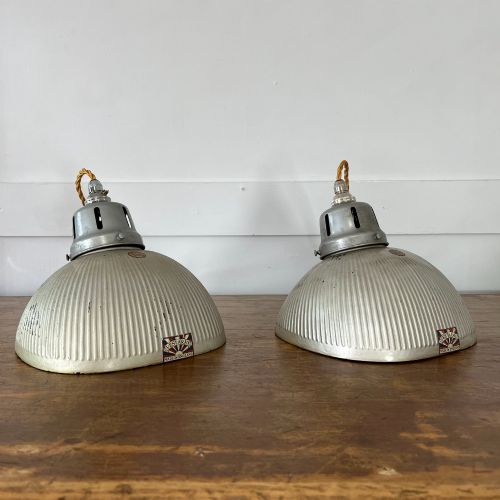
Quality separates through the integrity of the original components, such as retaining original galleries, tulip shades, or rise and fall mechanisms. The depth of cut glass and the weight of bronze or brass frameworks indicate the standard of production.
The presence of named maker attribution or recognizable industrial glass types like Holophane influences the standing of a pair. Finishes like gilded toleware or patinated bronze distinguish standard utilitarian lighting from decorative works.
F&C Osler·GEC·S.Fauer
The Pair Pendant Lights Glossary
- Gallery
- The metal ring or mount that holds a glass shade in place. Galleries often display maker marks or specific ventilation designs.
- Opaline
- A type of semi-translucent milk glass that diffuses light softly. It appears frequently in nineteen twenties and thirties shades.
- Holophane
- A brand of scientific glass shade featuring prismatic ribs designed to direct light efficiently. These are sought after for industrial and domestic interiors.
- Mercury glass
- Double-walled silvered glass that creates a reflective, mirror-like appearance. It dates widely around the nineteen hundreds.
- Toleware
- Painted or lacquered sheet metal used for decorative lamp bodies and shades. French examples often feature gilt detailing.
Frequently Asked Questions
What periods do these pendant lights cover?
The available evidence spans from the nineteenth century through the Art Nouveau era, nineteen twenties, and nineteen thirties. You will find pieces reflecting Edwardian, Arts and Crafts, and Art Deco aesthetics.
Designs range from early bronze lanterns to mid-century opaline glass globes and ribbed commercial shades.
Are original shades common on these pairs?
Many pairs retain their original glass shades, tulip shades, or prismatic panels alongside their primary metal galleries. Some listings specifically highlight original components.
When original glass is paired with period brass or bronze, it preserves the authentic visual balance intended by the maker.
How do I choose between glass and metal lanterns?
Glass pendants, including cut glass, mercury glass, and milk glass, disperse ambient light widely across a space. They suit rooms requiring bright, diffused illumination.
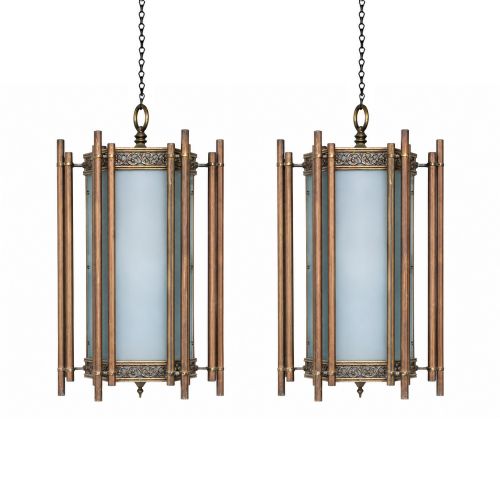
Metal and glass lanterns, such as steel and brass frames with glass panels, direct light more deliberately while adding strong architectural presence to hallways.
Do these lights come ready to install?
Several listings note that the pendant lights have been rewired for contemporary use while maintaining their antique fixtures. It remains important to inspect the wiring details of each individual pair.
Original galleries and suspension hardware are typically retained during any electrical updating to preserve historical character.